Phytochemicals in post-harvest flowers: biochemical pathways, degradation mechanisms and strategies for quality preservation

Phytochemicals in post-harvest flowers: biochemical pathways, degradation mechanisms and strategies for quality preservation

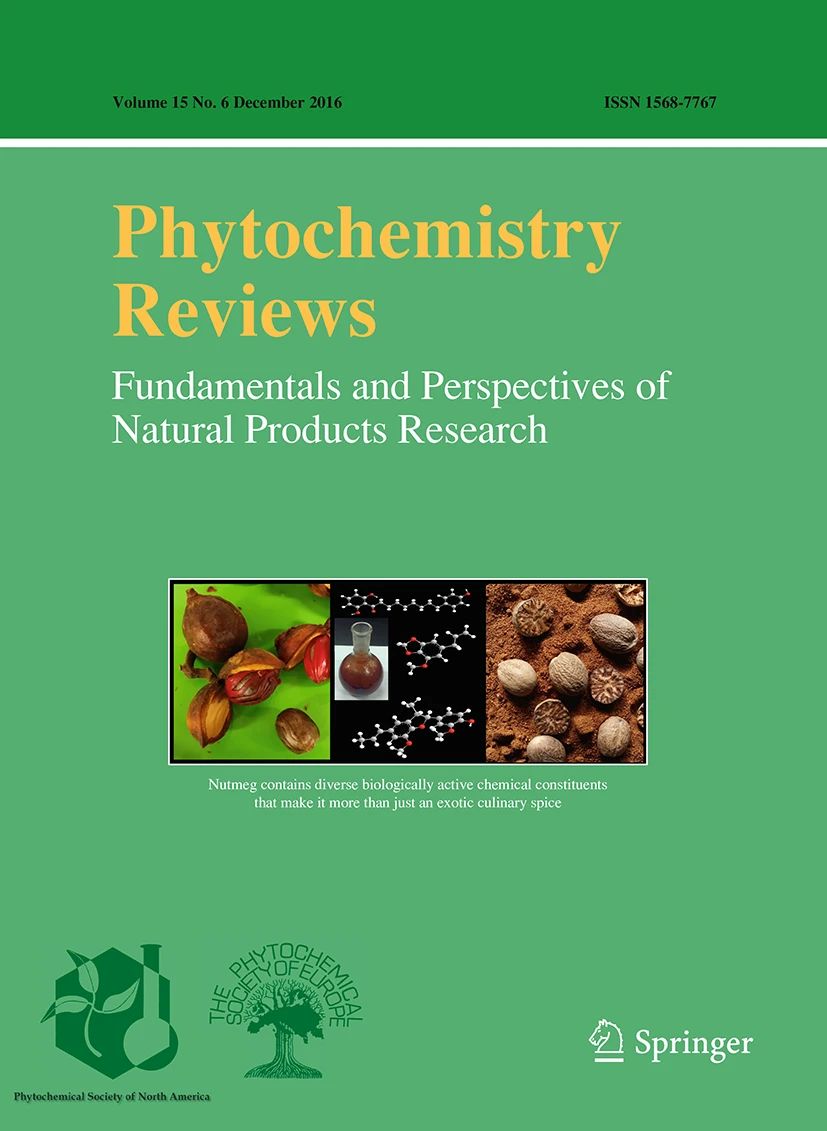
Phytochemistry Reviews is an international scientific journal specialising in reviews and perspectives on phytochemistry. It covers plant chemistry, the function and biosynthesis of plant compounds and applications in fields such as agriculture and industry. The journal is affiliated with the Phytochemical Society of Europe and the Phytochemical Society of North America. The article Phytochemicals in post-harvest flowers: biochemical pathways, degradation mechanisms and strategies for quality preservation belongs to this journal and examines the role of phytochemicals in post-harvest flower physiology, the mechanisms responsible for quality degradation and natural strategies for preserving flower quality

Authors

Ficha técnica

Año de edición:
Editorial:
2026
Springer
Accede a la publicación

The article examines how phytochemicals are involved in flower ageing and deterioration after harvest. It analyses compounds such as ethylene, reactive oxygen species, phenolics, flavonoids, carotenoids, anthocyanins and terpenoids, together with enzymes and phytohormones involved in senescence.

The review also examines natural alternatives to synthetic preservatives, particularly essential oils, plant extracts and bioactive metabolites. Its aim is to identify strategies capable of extending vase life, maintaining flower quality and reducing the environmental impact of post-harvest practices. The study synthesises more than 300 scientific publications.

Index 

  1. Phytochemicals involved in post-harvest flower physiology
  2. Biosynthetic pathways of major phytochemicals
  3. Degradation mechanisms and quality loss
  4. Senescence, wilting and petal abscission
  5. Role of ethylene and cytokinins
  6. Reactive oxygen species and oxidative stress
  7. Phenolic compounds and flavonoids
  8. Carotenoids and anthocyanins
  9. Terpenoids and volatile compounds
  10. Enzymes involved in cell-wall modification
  11. Natural phytochemical preservatives
  12. Essential oils and plant extracts
  13. Antioxidant defence and oxidative stress control
  14. Structure–activity relationships of secondary metabolites
  15. Biotechnological strategies for modifying phytochemical profiles
  16. Applications for extending vase life
  17. Future perspectives for sustainable post-harvest floriculture

Autores ...

whatsapp
Plan de Recuperación, Transformación y Resiliencia Financiado por la Unión Europea