Conditioning
Konjac glucomannan coating extends the shelf life of peeled lychee
A study shows that a konjac glucomannan-based edible coating reduces browning, moisture loss and microbial growth in peeled lychee, providing a sulfur-free strategy to extend postharvest shelf life
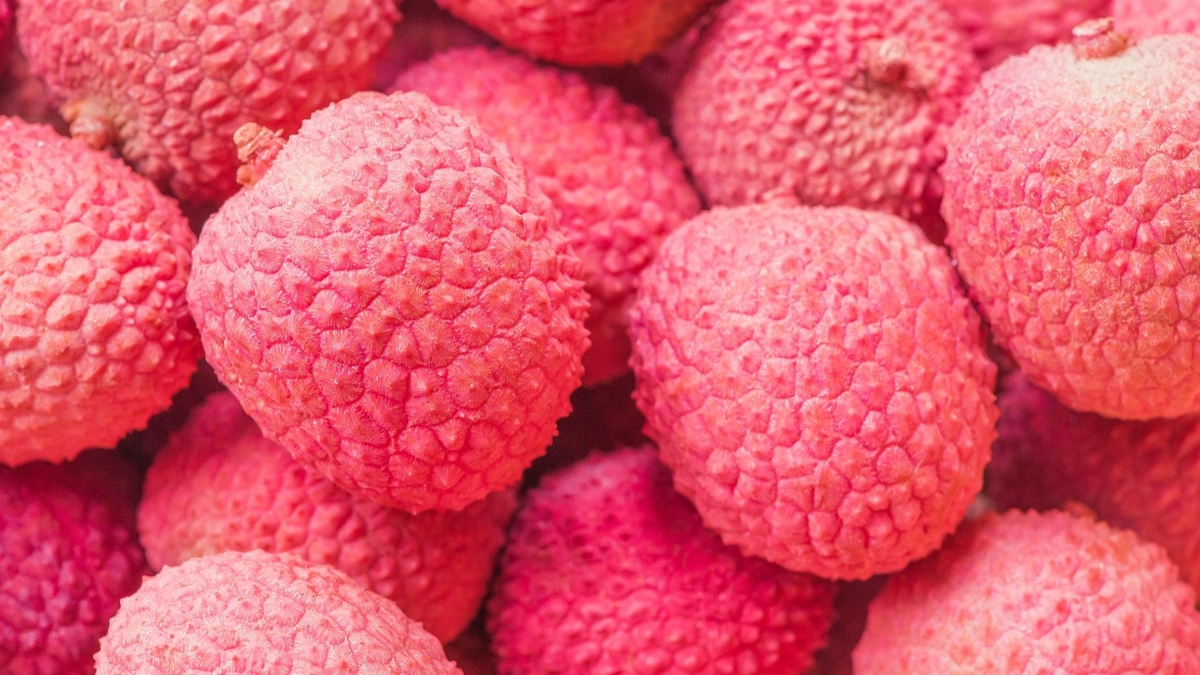
Peeled lychee has a very short shelf life because removing its natural peel accelerates enzymatic browning, moisture loss, tissue softening and microbial growth. A new study evaluated the effectiveness of different polysaccharide-based edible coatings to preserve fruit quality during refrigerated storage.
Researchers compared edible coatings based on konjac glucomannan (KGM), guar gum (GG) and sodium alginate (SA) on peeled lychee stored at 4 °C for 14 days, aiming to identify the most effective postharvest preservation strategy.
Konjac glucomannan delivered the best performance
Among all treatments, the 1% konjac glucomannan coating (KGM1) consistently provided the best preservation results.
After 14 days of storage, KGM1-treated fruit maintained higher brightness and firmness than untreated fruit while reducing weight loss from 26.49% in the control to 11.62%.
The treatment also significantly lowered bacterial populations, contributing to a longer commercial shelf life.
Better protection against browning
The coating preserved higher levels of phenolic compounds and flavonoids, which helped maintain the fruit's antioxidant capacity.
Accordingly, antioxidant activity remained higher, while the activities of browning-related enzymes, including polyphenol oxidase (PPO) and peroxidase (POD), were significantly reduced.
These effects contributed to slowing the oxidative reactions responsible for pulp browning.
Delayed tissue softening
KGM1 also reduced polygalacturonase activity, an enzyme involved in cell wall degradation.
As a result, tissue softening was delayed and fruit texture remained firmer throughout refrigerated storage.
Reduced microbial growth
The edible coating also acted as a physical barrier against microbial proliferation.
Lower bacterial counts were recorded throughout storage, helping maintain product quality for a longer period.
Conclusions
The authors conclude that the 1% konjac glucomannan coating was the most effective treatment evaluated for preserving peeled lychee quality.
Its combined effects on moisture retention, antioxidant preservation, enzymatic browning inhibition, delayed tissue softening and microbial control make it a promising sulfur-free technology for extending the shelf life of high-value peeled fruits.
Source
Lu, W.-C., Chan, Y.-J., Hsieh, C.-W., Li, S.-Q., Hua, B.-L., Liang, Z.-C., & Li, P.-H. (2026). Effects of polysaccharide-based edible coatings on the postharvest quality and shelf life of peeled lychee fruit. European Food Research and Technology. https://doi.org/10.1007/s11694-026-04724-w
Related news

BrimaPack drives innovation to improve efficiency across the postharvest chain
.jpg)
TOMRA places sustainability and the circular economy at the heart of its strategy