Phytosanitaries
Evaluation of maximum residue levels for flupyradifurone and difluoroacetic acid in tomatoes
A technical report highlights international regulatory updates regarding the monitoring of these pesticide compounds in tomato crops for food safety compliance
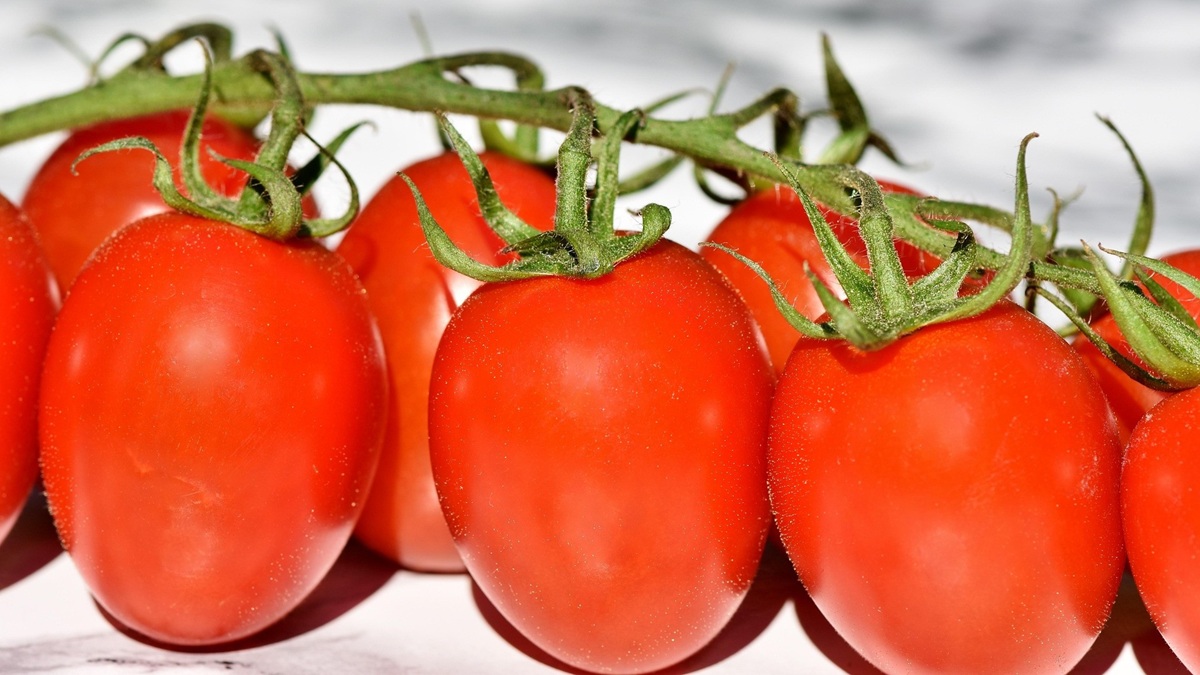
Strict monitoring of plant protection product residues is a cornerstone for guaranteeing food safety and maintaining smooth access to international markets for horticultural produce. Within a commercial landscape increasingly focused on traceability and regulatory compliance, the latest Food Safety Bulletin published by AGQ Labs highlights recent international regulatory updates concerning pesticide residues in tomatoes.
Regulatory review of flupyradifurone and its metabolite DFA
The technical update specifically addresses the evaluation of proposed modifications to the maximum residue levels (MRLs) for both the active substance flupyradifurone—a systemic insecticide used to control sucking pests in horticultural crops—and its major metabolite, difluoroacetic acid (DFA), in tomatoes.
Under European food safety frameworks, any modification of existing MRLs undergoes a thorough risk assessment evaluating consumer dietary exposure, ensuring that residue levels resulting from Good Agricultural Practices (GAP) remain safe for public health and aligned with current import and trade tolerances.
Implications for packing houses and fresh produce exporters
Continuous monitoring of these regulatory evaluations is essential for growers, field technicians, packing houses, and exporters across the tomato supply chain. Staying ahead of potential threshold adjustments for active substances and their metabolites allows operators to:
- Fine-tune preharvest crop protection programs: Adjust pest management schedules and preharvest intervals (PHIs) to prevent compliance issues upon arrival at destination markets.
- Update analytical quality-control protocols: Ensure routine laboratory multi-residue screenings specifically account for both the parent compound and difluoroacetic acid (DFA) prior to dispatch.
- Safeguard retail compliance: Meet not only statutory European Union legislation, but also the stricter secondary residue standards enforced by major European supermarket chains.
Sources
Imagen: Pixabay https://pixabay.com/es/photos/tomates-tomates-en-rama-verduras-3480643/


.jpg)