Measurements
Metabolic and volatile changes as candidate freshness indicators in postharvest culinary herbs
A scientific review establishes a validation framework to evaluate internal chemical signals and anticipate quality loss in fresh and minimally processed herbs beyond visual inspection
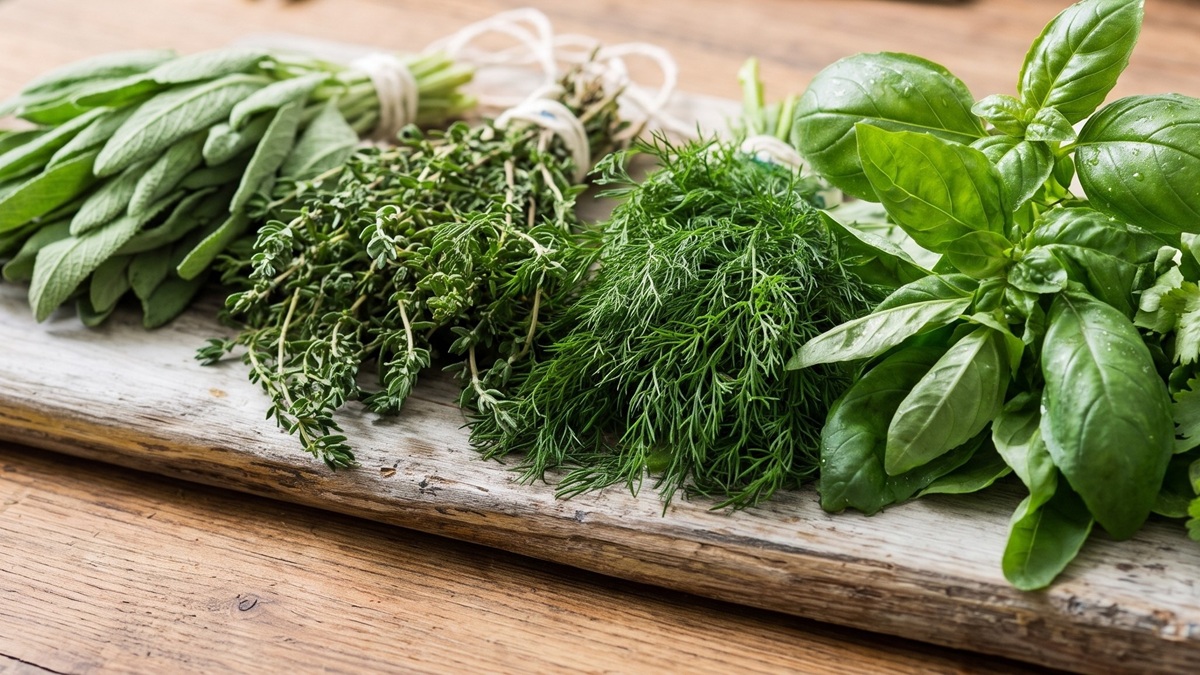
Fresh and minimally processed culinary herbs—such as basil, cilantro, parsley, mint, chives, dill, and rosemary—represent a high-value segment in the horticultural sector due to their intense aroma, characteristic flavor, and rich profile of bioactive compounds, including phenolics, flavonoids, and terpenoids. However, because they are marketed as living plant tissues detached from the parent plant, they maintain high metabolic activity after harvest, driving rapid quality deterioration during storage and distribution.
This vulnerability is particularly critical in fresh-cut and minimally processed formats. Standard packing house operations such as trimming, cutting, washing, sanitizing, surface dewatering, and packaging disrupt cellular compartmentalization, increase tissue surface area exposed to oxygen, stimulate respiration rates, and heighten susceptibility to microbial proliferation, significantly shortening commercial shelf life.
Limitations of visual inspection against internal deterioration
A scientific review published in Reviews in Agricultural Science synthesizes current knowledge on postharvest deterioration mechanisms in culinary herbs and examines how metabolic and volatile organic compound (VOC) profiling can provide objective freshness indicators.
The authors emphasize that while conventional visual and sensory assessments—relying on wilting, turgor loss, yellowing, browning, or decay scores—remain essential for gauging immediate commercial acceptance, they fail to capture internal biochemical and physiological shifts that precede visible tissue collapse. In fresh-cut cilantro, for instance, unsuitable modified-atmosphere packaging can trigger severe aroma loss and off-odor development even while leaf appearance remains visually acceptable.
Chilling injury, oxidative stress, and aroma degradation
The review details how postharvest herb deterioration stems from interconnected physiological processes centered on oxidative stress and cellular membrane damage. When tissue antioxidant defenses are depleted, reactive oxygen species (ROS) accumulation damages membrane lipids and photosynthetic pigments, resulting in electrolyte leakage, necrosis, and accelerated senescence.
This mechanism is especially pronounced in chilling-sensitive species like sweet basil, where storage at low temperatures (such as 4 or 5 °C) induces chilling injury characterized by leaf darkening, depletion of key antioxidants like ascorbic acid and rosmarinic acid, accumulation of osmoprotectants, and a sharp drop in characteristic aroma volatiles such as linalool and eugenol. Conversely, in chilling-tolerant herbs like chives or parsley, primary postharvest challenges involve delaying chlorophyll breakdown and preserving sulfur aroma precursors or phenolic compounds under refrigeration.
A validation-oriented framework for industry adoption
A core contribution of the review is establishing that storage-responsive metabolites or volatiles should not be treated as freshness indicators by default. Researchers highlight the importance of distinguishing between solvent-extracted volatile reservoirs (essential oils) and emitted headspace volatiles, as the latter directly govern olfactory perception and reflect real-time physiological stress.
To provide practical value in postharvest management, candidate chemical signals—monitored via analytical platforms or rapid, non-destructive tools like electronic noses—must undergo rigorous validation. This requires linking chemical shifts directly to a defined freshness problem and measurable quality endpoints, including sensory rejection thresholds, microbial counts, package O2/CO2 imbalances, or shelf-life limits.
Ultimately, the authors conclude that robust freshness monitoring in the herb sector will depend on replacing the search for a single universal marker with context-specific, multi-marker panels tailored to individual species, cultivars, preharvest growing histories, and processing intensities, integrating visual, physiological, metabolic, and volatile data into predictive decision-support tools.
Source: Ashrafun, N., Nakagawa, K., Thammawong, M., & Nakano, K. (2026). Metabolic and Volatile Changes as Candidate Freshness Indicators in Fresh and Minimally Processed Culinary Herbs. Reviews in Agricultural Science, 14(4), 46–71. https://doi.org/10.7831/ras.14.4_46
Related news