Phytosanitaries
Bacteriophages expand biocontrol options for fruits and vegetables
Phages are being investigated for controlling bacteria in the fruit and vegetable supply chain
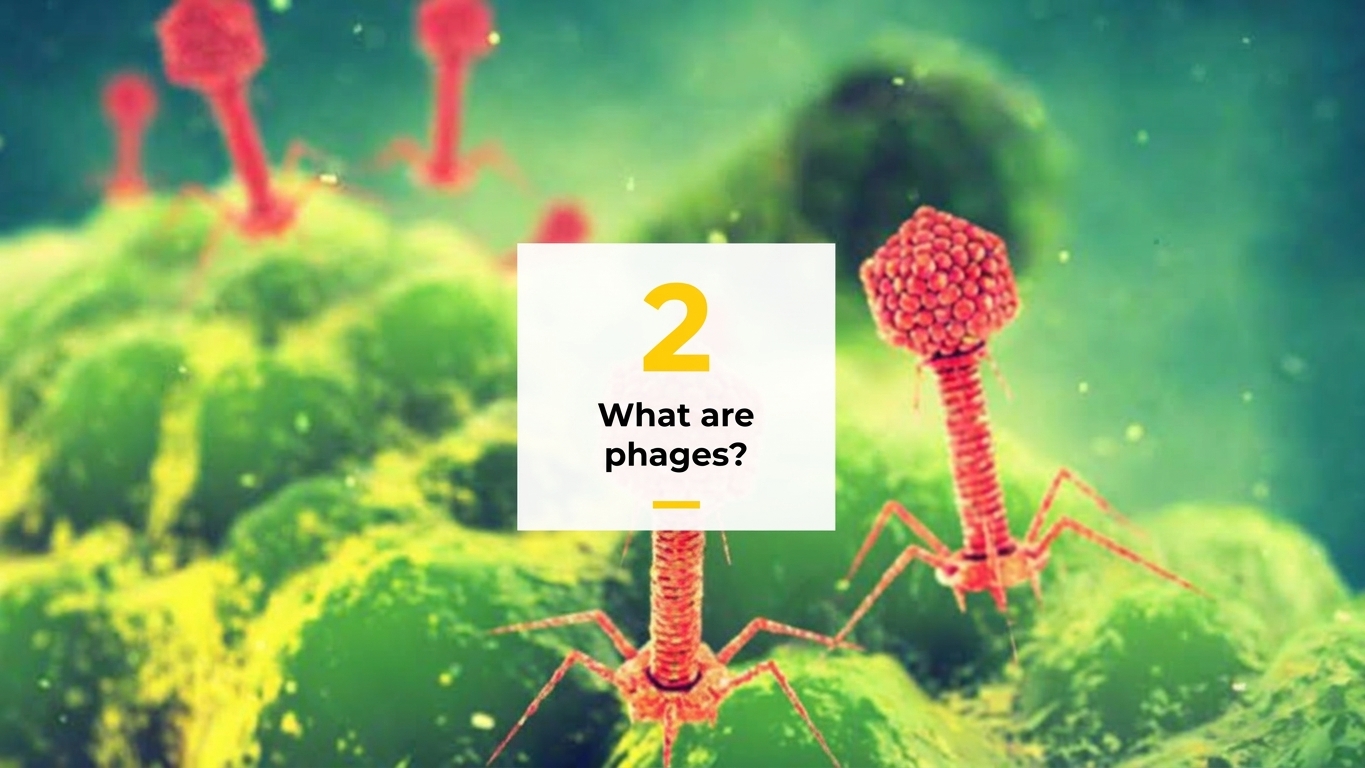
The agri-food industry is facing a paradigm shift regarding the elimination of persistent pathogens such as *Listeria monocytogenes*, *Campylobacter*, and *Salmonella*. The scientific and technological center AZTI has consolidated its progress in developing formulations based on bacteriophages (phages)—natural viral enemies of bacteria that act as highly precise biocontrol agents without altering the product or relying on harsh chemicals.
Bacteriophages, or phages, are naturally occurring viruses that infect specific bacteria. Their ability to target specific microorganisms makes them a key area of research for enhancing microbiological safety at various stages of the agri-food chain, from primary production to processing and packaging.
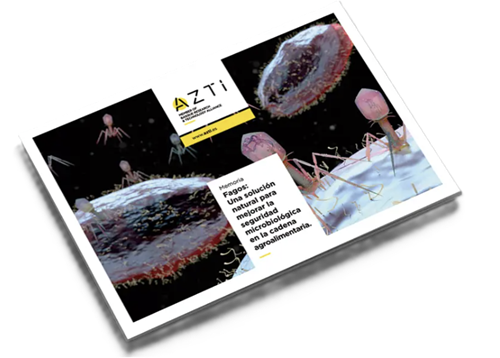
A report by AZTI outlines the scientific advances and applications of this technology, featuring examples related to fruit, vegetables, livestock farming, aquaculture, and processed foods. The report also addresses the technical and regulatory factors influencing its industrial implementation. The publication is available for download from the AZTI website.
A biotechnological alternative to biofilms and resistance
The rise of multidrug-resistant bacteria and the formation of biofilms on processing equipment and lines represent major operational costs and reputational risks for food processing facilities. The technology developed by AZTI offers a disruptive solution for the value chain:
- High specificity for the target pathogen: Phages identify and infect only the problematic bacteria (such as *Listeria* or *Campylobacter*), multiplying inside them until they are destroyed and releasing new units that repeat the cycle as long as the pathogen is present.
- Complete preservation of organoleptic quality: Unlike traditional chemical or thermal disinfectants, the application of bacteriophages does not alter the taste, color, texture, or aroma of raw, processed, or ready-to-eat (fresh-cut) food products.
- Preservation of beneficial microbiota: They act solely against the harmful species or strain, protecting desirable microorganisms in the food and the surrounding environment.
- Versatile application in plants and packaging: It is a biodegradable formulation that can be applied directly to the product, used in wash water, utilized in processing facilities, or incorporated into active packaging surfaces.
Applications ranging from cultivation to post-harvest
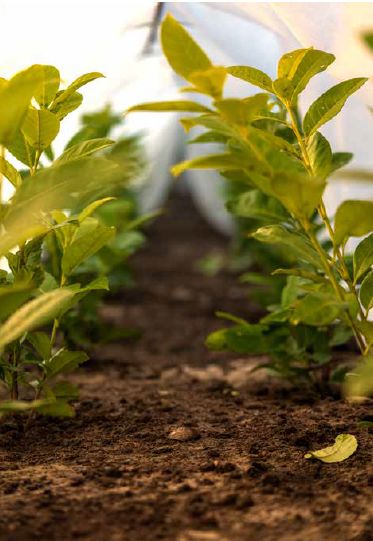
In fruit and vegetable crops, phages are being studied as a control tool against bacteria such as *Xylella fastidiosa*, *Ralstonia solanacearum*, and *Xanthomonas* spp. The report covers pre-harvest applications—such as foliar spraying, soil treatment, and seedling dipping—as well as direct treatments applied after harvesting.
In processing facilities, phages can also be applied to surfaces and equipment to help control pathogens such as *Listeria monocytogenes*, *Salmonella*, and *Bacillus cereus*. Regarding food products, the document describes applications involving spraying, dipping, or incorporation into brines, depending on the specific product and process. The food matrices considered include fruits and vegetables, as well as meat, dairy products, and fish.
Another area of analysis is their incorporation into active packaging or preservation systems with controlled release, helping to prevent recontamination during storage and distribution. These applications are intended to complement existing hygiene and preservation measures and require evaluation for each specific food product and production environment.
Selection and validation are key
The application does not consist of using any phage against any bacteria. The report highlights the need to identify the target pathogen, select lytic phages and verify their safety and activity. It also points out that formulations must be validated under industrial conditions, taking into account factors such as pH, temperature, food composition and the presence of biofilms.
AZTI accompanies the publication with examples of projects on the control of pathogens and the application of phages in food. The report also dedicates a section to regulatory and market challenges to transfer these solutions from research to industry.
More information on the report and download at AZTI