Processing
New technologies expand options for nut decontamination
A scientific review examines the risks associated with Salmonella in pecans and explores inactivation methods ranging from heat treatments to cold atmospheric plasma. It also assesses the potential of pecan shells in the development of antimicrobial solutions and active packaging
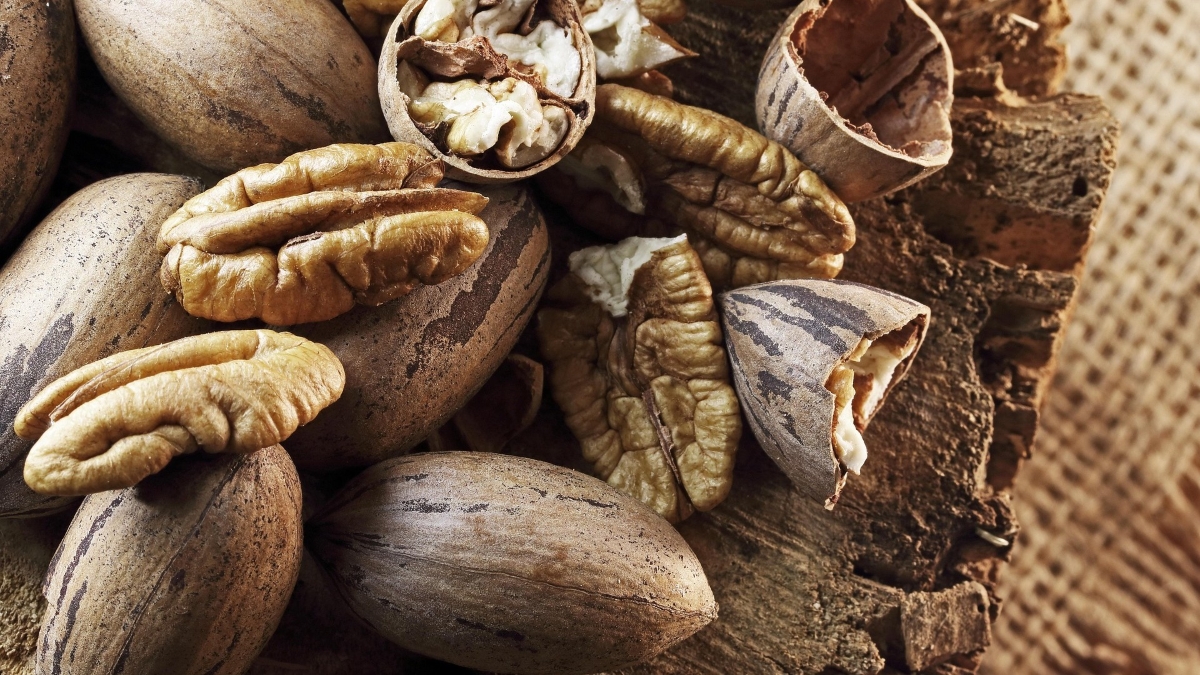
Pecans can become contaminated with pathogenic microorganisms at different stages of the production chain, from cultivation and harvesting to postharvest handling and processing. One of the main concerns is Salmonella, whose ability to penetrate in-shell pecans and survive for extended periods poses challenges for food safety.
A review published on 11 November 2026 in Comprehensive Reviews in Food Science and Food Safety brings together the main contamination pathways and examines available strategies for reducing the presence of these microorganisms, as well as new applications for pecan by-products.
Thermal treatments and emerging technologies
Among the interventions discussed, thermal treatments —including hot water, steam, hot air and oil roasting— have demonstrated the ability to inactivate pathogens on both in-shell pecans and kernels. Their effectiveness depends on the specific application conditions and, according to the studies reviewed, they can achieve microbial reductions while causing only limited changes to quality parameters.
Chemical sanitizers are also used to reduce the risk of cross-contamination during handling. However, the review points out that they generally achieve lower reductions and have limitations when used as the sole decontamination method to reach a five-log reduction.
Emerging nonthermal technologies, such as intense pulsed light and cold atmospheric plasma, are also being investigated. Both show potential for reducing pathogenic microorganisms and expanding the range of available options for nut processing.
Pecan shells as a resource for food safety
The review also highlights the potential of pecan shells, which account for between 40% and 60% of the whole nut's weight. This by-product contains phenolic and flavonoid compounds with antioxidant and antimicrobial properties.
These characteristics open up opportunities for their use as natural antimicrobial agents, functional ingredients and components of active packaging materials. In this way, a by-product generated during processing could be incorporated into new solutions designed to improve food preservation and safety.
Overall, the review brings together microbial risks, postharvest intervention technologies and by-product valorization, with the aim of contributing to safer pecan production and processing.
Source
Kharel, K., Shilpakar, D., Adhikari, A., Prinyawiwatkul, W., & Bardsley, C. A. (2026). Microbial Safety of Pecans: Contamination Pathways, Postharvest Interventions, and Food Safety Applications of Pecan Shells. Comprehensive Reviews in Food Science and Food Safety, 25(6), e70697. https://doi.org/10.1111/1541-4337.70697