News
A Comprehensive Review of Post-Harvest Losses in Fruits, Vegetables, Grains, and Oilseeds and Their Implications for Food Security
Postharvest losses remain one of the major challenges to global food security. Technologies such as cold chain management, modified atmosphere storage, and digital monitoring are helping reduce food waste and maintain product quality.
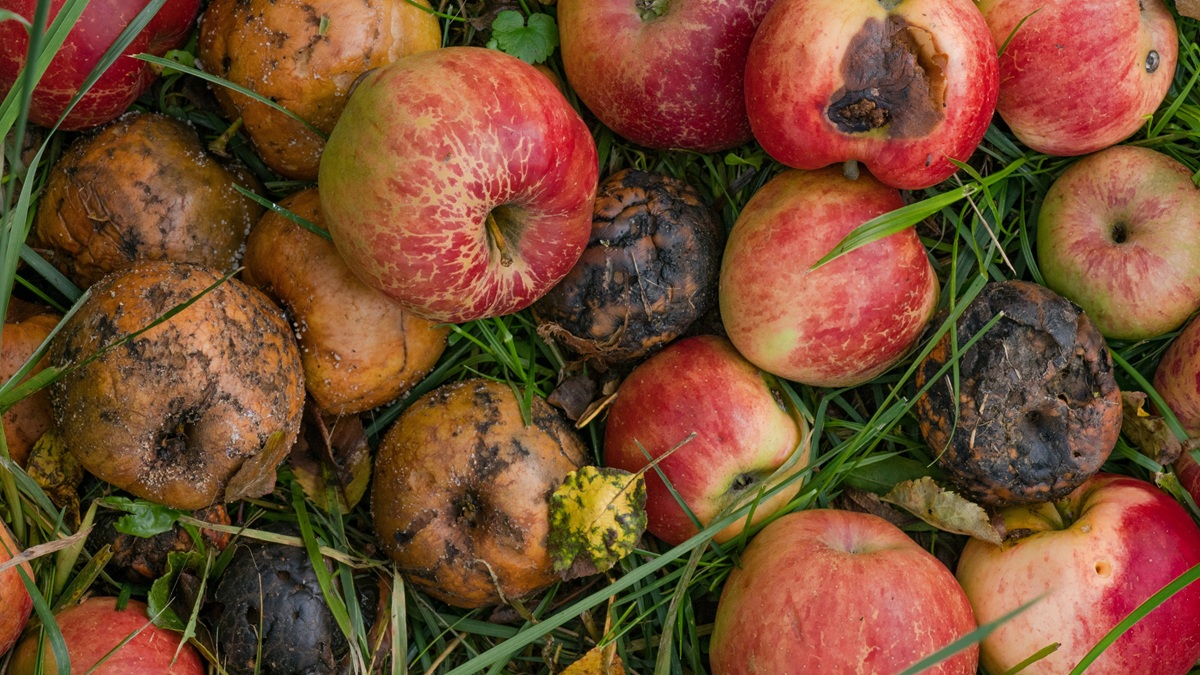
Every year, a significant portion of global agricultural production is lost between harvest and the final consumer. These losses not only represent an economic problem for producers and marketers but also constitute one of the major challenges for global food security.
According to a recent scientific review on post-harvest losses, damage can occur at virtually every stage of the agri-food chain: harvesting, handling, transport, storage, processing, and marketing. Factors such as insufficient refrigeration, inadequate handling practices, poor infrastructure, and biological deterioration continue to be responsible for millions of tons of wasted food each year.
Fruit and vegetables: the most vulnerable
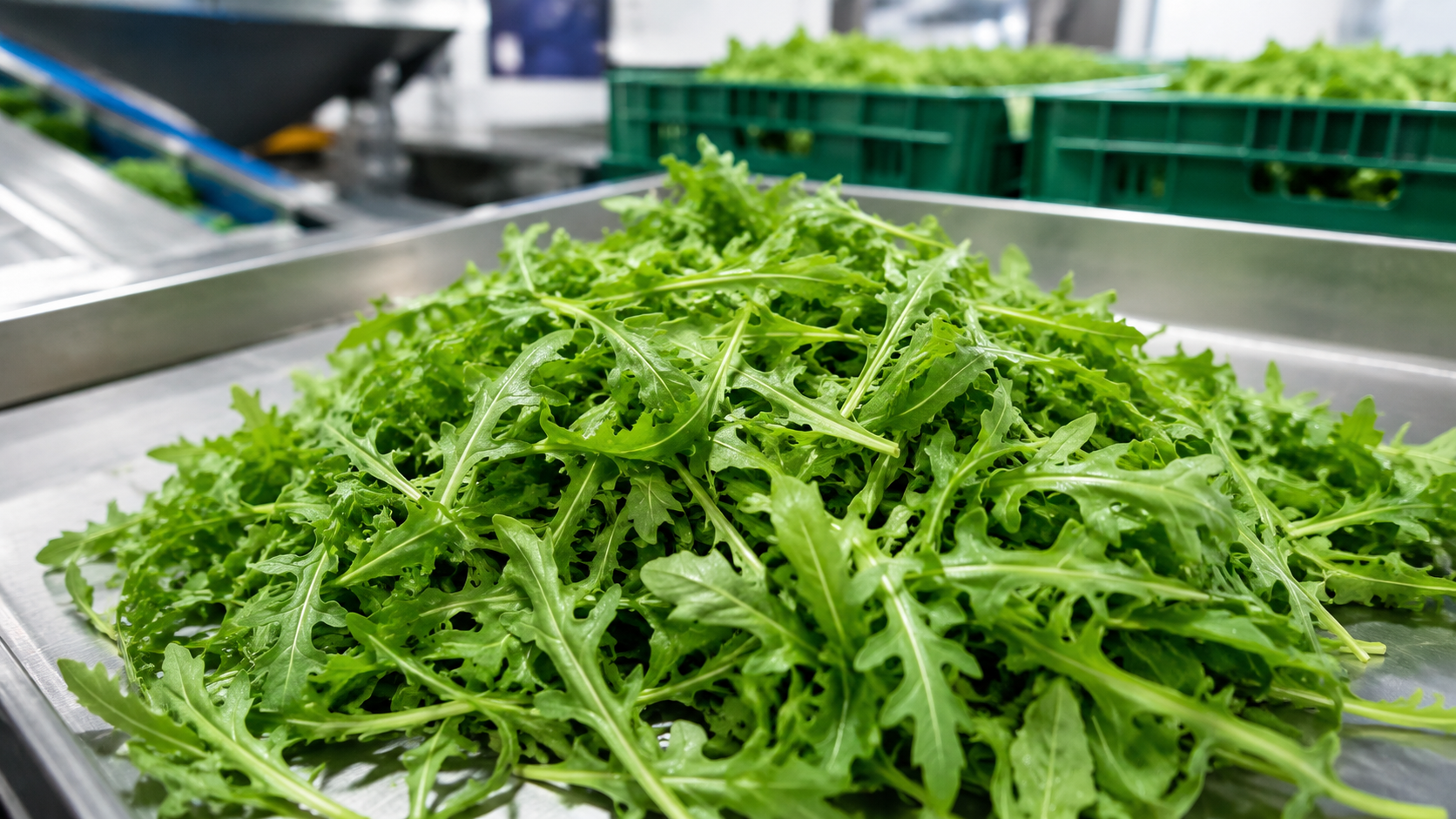
Fresh fruit and vegetables are among the most perishable products due to their high metabolic activity and water content. A delay in cooling after harvest or inadequate transport conditions can accelerate the product's respiration, promote microbial growth, and significantly reduce its shelf life.
Furthermore, mechanical damage during loading, unloading, or transport creates wounds that facilitate the onset of rot and diminish the market value of fresh produce. In many countries, logistical deficiencies remain a primary cause of losses during the distribution stage.
The cold chain as a key tool
Given this scenario, temperature control technologies are establishing themselves as a cornerstone of modern post-harvest management.
Systems such as forced-air pre-cooling allow for the rapid reduction of the temperature of freshly harvested produce, lowering the respiration rate and delaying ripening and senescence processes. Similarly, hydro-cooling and the proper use of ice remain effective alternatives for certain fruit and vegetable crops.
Controlled atmospheres and smart packaging
Another trend gaining prominence is the use of controlled atmospheres (CA) and modified atmospheres (MAP). These technologies regulate oxygen and carbon dioxide concentrations around the product, slowing down physiological processes associated with spoilage.
Their application extends the shelf life of fruits and vegetables, preserves quality attributes, and reduces losses during storage and transport.
At the same time, advances in smart packaging and monitoring systems enable more precise tracking of storage conditions throughout the logistics chain, contributing to more efficient management of perishable products.
Digitalization for more efficient post-harvest operations
Digital transformation is also reaching the post-harvest stage. Sensors, traceability systems, logistics management platforms, and data analysis tools make it possible to identify critical points, optimize operations, and anticipate potential issues before they lead to significant losses.
Additionally, emerging technologies—such as UV-C light treatments—are being evaluated for their ability to reduce microbial load and maintain fresh produce quality without leaving chemical residues.
A global challenge with local impact
The authors of the review note that reducing post-harvest losses is one of the most effective strategies for improving food availability without increasing the amount of cultivated agricultural land. In a context defined by population growth, climate change, and pressure on natural resources, investing in post-harvest technologies and strengthening training for food supply chain stakeholders emerges as a priority for advancing toward more sustainable and resilient food systems.
Sources:
Winston, M. D., Vibodhani, D. D. N., & Rathnayaka, R. M. S. M. B. (2025). A Comprehensive Review of Post-Harvest Losses in Fruits, Vegetables, Grains, and Oilseeds and Their Implications for Food Security.
Imagen: unsplash
.png)