Conditioning
The keys to the rapid postharvest deterioration of edible mushrooms
High moisture content, fragile texture, physiological activity, oxidative stress, microorganisms and browning explain the short postharvest shelf-life of edible mushrooms
.png "High moisture content, fragile texture, physiological activity, oxidative stress, microorganisms and browning explain the short postharvest shelf-life of edible mushrooms")
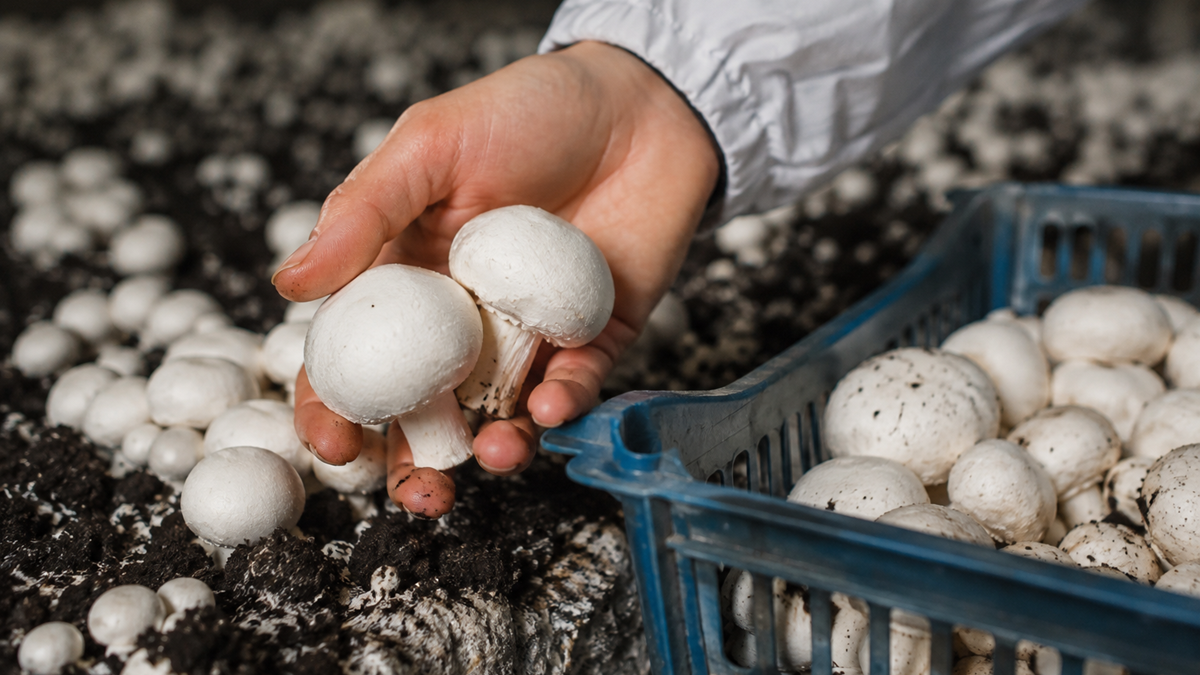
Edible mushrooms have a shorter postharvest shelf-life than many other fruit and vegetable products. According to a review article published in Food Chemistry: X, their high moisture content and soft, fragile epidermis create favourable conditions for microbial infection, while their internal physiological activities accelerate senescence and quality deterioration.
The article, authored by Shaobin Li, Yutian Wang and Kai Fan, reviews the changes that occur in edible mushrooms after harvest and analyses the main challenges affecting their preservation: energy metabolism, oxidative stress, microbiological deterioration, texture and colour.
Energy metabolism and quality loss
After harvest, mushrooms continue to maintain metabolic activity. The article explains that aerobic respiration in edible mushrooms includes processes such as glycolysis, pyruvate oxidation, the tricarboxylic acid cycle and the electron transport chain. Maintaining adequate ATP levels can help regulate different metabolic pathways and delay quality deterioration.
Energy status also affects flavour-related compounds. Under starvation stress, which hinders ATP synthesis, glutamate —the main umami substance in mushrooms— can degrade more rapidly.
Oxidative stress and senescence
Oxidative stress is another key factor. Reactive oxygen species can accumulate during postharvest life and, when they exceed the metabolic capacity of the fruiting body, they cause structural damage, protein oxidation and membrane lipid damage. These changes disrupt energy metabolism and reduce the nutritional value of edible mushrooms.
The article also notes that physiological activity during postharvest transport may be influenced by volatile compounds released by other horticultural products, including exogenous ethylene.
Microorganisms and deterioration
Microbiological deterioration is another major challenge. The soft tissue, high moisture content and internal pH of edible mushrooms provide a favourable medium for microbial growth. In addition, during harvesting, washing and transport, mechanical damage can compromise product structure and facilitate microbial invasion and colonisation.
According to the review, microorganisms not only cause deterioration, but also consume nutrients within the fruiting body and release unpleasant-smelling compounds, accelerating the loss of edible value in mushrooms.
Texture, softening and browning
Texture also changes significantly during postharvest life. The review describes phenomena such as lignification and autolysis, both related to changes in cell wall components. In particular, autolysis is associated with internal energy metabolism and the activity of enzymes such as glucanase, cellulase and chitinase, and can lead to marked softening of the texture.
Colour is another decisive attribute for commercial acceptance. The article notes that browning is the main cause of colour changes in mushrooms. Phenolic compounds can help the fruiting body resist oxidative stress, but they can also interact with enzymes such as polyphenol oxidase, leading to undesirable colour changes.
Better preservation for a highly sensitive product
The combination of high moisture content, structural fragility, physiological activity, oxidation, microorganisms and browning explains why edible mushrooms are particularly sensitive after harvest. Understanding these processes is key to designing more effective preservation strategies and maintaining their commercial, nutritional and sensory quality for longer.
Source: Li S, Wang Y and Fan K. Ultrasound technology for edible mushrooms: A review of postharvest changes, applications and prospects. Food Chemistry: X. DOI: 10.1016/j.fochx.2026.104333.
Related news