Packaging
AIMPLAS gathers over 150 experts to discuss regulation and innovation in biopolymers
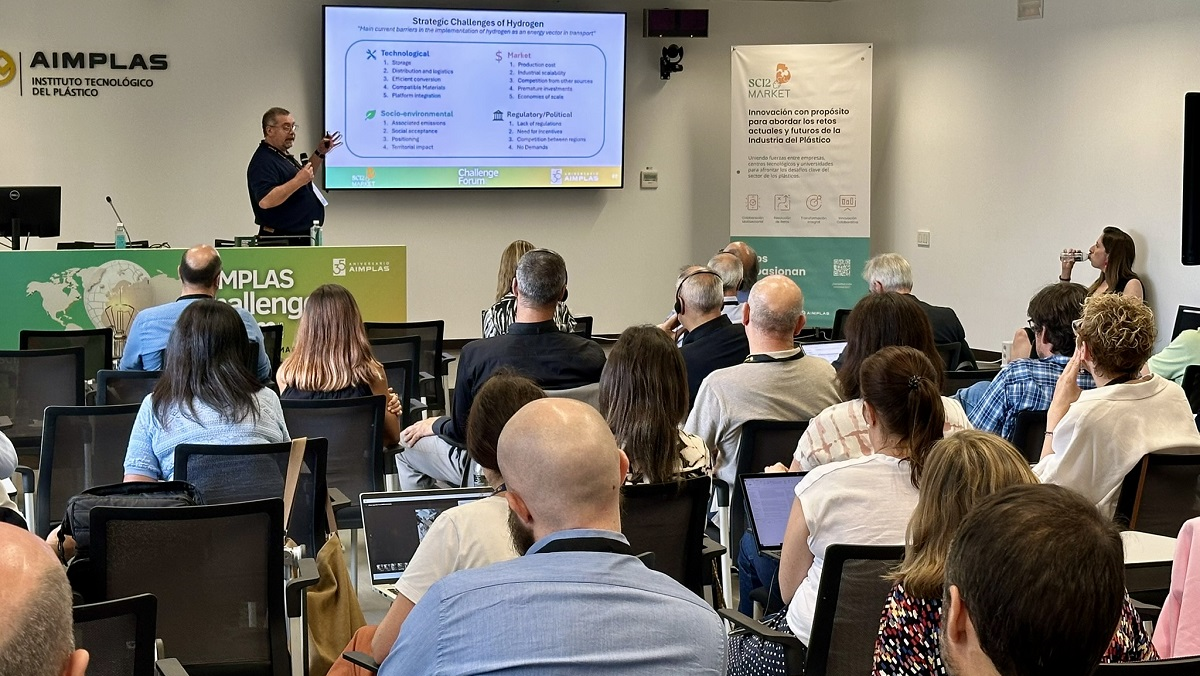
The ninth International Seminar on Biopolymers and Sustainable Composites brought together more than 150 participants and over 20 speakers in Valencia to address regulation, certification and innovation in biopolymers, including new agricultural applications
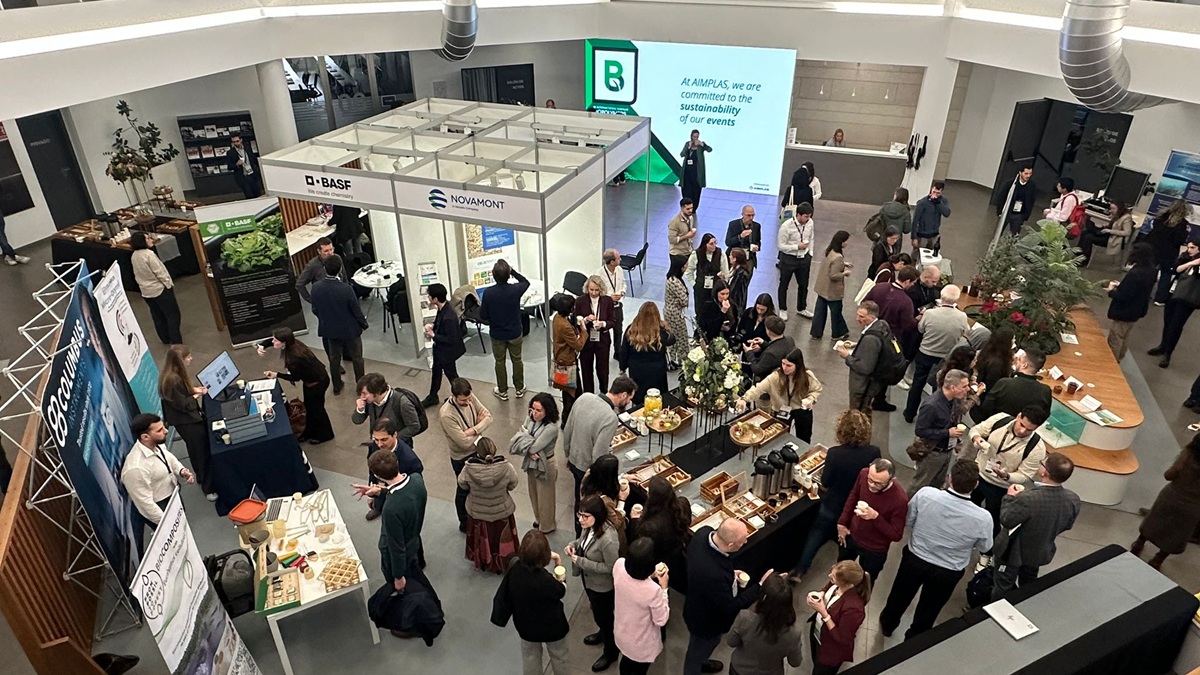
AIMPLAS, the Plastics Technology Centre, held last week in Valencia the ninth edition of its International Seminar on Biopolymers and Sustainable Composites, an event that brought together more than 150 attendees and over 20 speakers and has consolidated itself as an international meeting point for technical debate on regulation, certification and innovation in biopolymers.
During the first day, international specialists analysed how the new European regulatory framework — particularly the Packaging and Packaging Waste Regulation (PPWR) — is transforming material design towards certified compostability solutions.
The opening presentation, delivered by Lorette Du Preez from European Bioplastics, highlighted the expected growth in production capacity and the role of the upcoming Bioeconomy Strategy, which will require regulatory stability and support for industrial scaling to consolidate market demand.
Du Preez stated:
“Although bioplastics currently represent barely 0.5% of the global plastics market, the sector expects to double its global capacity between 2025 and 2030, with Europe increasing from 330,000 to 800,000 tonnes annually during that period.”
She also stressed that in a context marked by new initiatives such as the future Bioeconomy Strategy and the European packaging regulation:
“It is necessary to give the market time to consolidate, guarantee competitiveness and stimulate demand, supported by European funding opportunities for R&D and industrial scaling.”
Along these lines, Rafael Auras from the University of Michigan explained that the large-scale adoption of these technologies depends on accelerating biodegradation processes, either by optimising the chemical structure of materials or by improving the environmental conditions where degradation occurs. María Mozo from AIMPLAS presented an overview of the different groups of bioplastics and addressed key aspects of biodegradation in different environments and compostability, together with the testing required to obtain certification. She also highlighted the implications of the PPWR legislation, which will require robust testing and certification criteria to ensure real performance in industrial facilities. Mozo also presented projects currently being carried out at AIMPLAS related to accelerated biodegradability testing and open-environment conditions.
Biopolymers in open environments
The second day focused on the application of biopolymers in open environments, with particular attention to the agricultural sector as one of the main testing grounds for the sustainability of materials. Bernard Le Moine from APE Europe highlighted the structural role of agricultural plastics in sustainable productivity and explained how certified biodegradability becomes a key solution when residue collection is technically difficult. Miguel Ángel Domene from Fundación Grupo Cajamar presented the potential of biodegradable plasticulture products within the circular economy, including field trials to validate their use and end-of-life management, as well as innovative solutions based on plant residues. Francisco Javier Egea from the University of Almería explored the circular bioeconomy ecosystem in greenhouse agriculture and stressed the importance of projects focused on biomass valorisation and the transition from fossil-based to bio-based polymers.
Soil health analysis also played a key role in the seminar. Patrizia Schmidt from BASF presented a methodology to distinguish between persistent microplastics and fragments released by certified biodegradable mulch films such as Ecovio®, demonstrating that these materials integrate into the natural cycle without generating toxic residues. Complementing this approach, Sara Guerrini from Novamont presented Mater-Bi solutions for sustainable end-of-life management and shared studies carried out with the University of Bologna on the effects of these materials on soil, as well as progress within the European SOUL project.
The block of industrial applications began with Chelo Escrig from AIMPLAS, who presented new developments in plasticulture aimed at improving water-use efficiency in crops, incorporating natural inputs and developing biodegradable controlled-release coatings for fertilisers. Further industrial case studies showed how these technologies are being transferred to the market. Matías Martínez and José Ignacio Valero from Ercros presented the ErcrosBio® range of biodegradable coatings for agricultural and packaging applications. Giovanni Grieco from NUREL shared experiences in tomato, pepper and maize crops using INZEA biopolymers, which help optimise soil temperature and plant growth.
The seminar also explored biotechnological advances with Antonio del Saz from Beyond Seeds, who presented AGARENE®, a bioplastic derived from red algae designed to be functionalised according to crop needs. Finally, Emanuele Martini from Gruppo MAIP closed the seminar with a case study on the PHA value chain, promoting the concept of “Naturpolymer”, a microbial-origin material capable of fully mineralising in any environment.
Innovations at your fingertips
The seminar also showcased practical innovations through a demonstration area displaying solid water and algae-based hydrogels, controlled-release tablets and fertilisers that improve agricultural performance while protecting soil health. A small exhibition area also displayed products obtained from residues of the olive oil and wine industries, as well as biodegradable marine structures designed to support vegetation and marine organism regeneration.
These demonstrations reinforced the role of AIMPLAS as a technological partner in accelerating the development and market adoption of sustainable materials.
About AIMPLAS
At AIMPLAS, the Plastics Technology Centre, we are committed to building a better world by promoting sustainable innovation in the field of plastics. Our goal is to support companies in creating wealth and employment while helping to address major societal challenges.
We provide comprehensive, tailored solutions that include R&D&I projects, training, competitive and strategic intelligence, technical and legal consultancy, as well as technological services such as analysis and testing.
We are firmly committed to sustainability and actively contribute to the 17 United Nations Sustainable Development Goals (SDGs) through both our operations and our social responsibility initiatives.
As a member of the Network of Technological Institutes of the Valencian Region (REDIT), we are further empowered to deliver value and foster knowledge transfer within the business community.
Related news