Conditioning
Natural browning does not necessarily mean fresh produce is spoiled
UC Davis specialists explain that colour changes in fresh fruits and vegetables are often natural biochemical reactions and should not automatically be interpreted as signs of spoilage
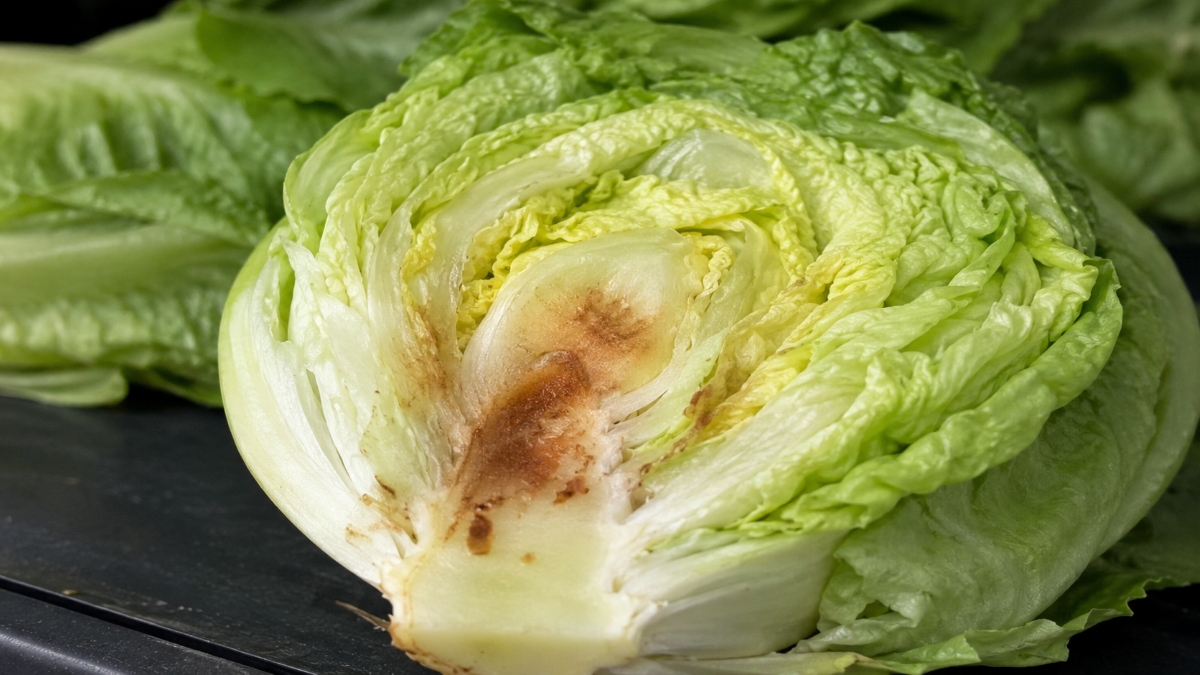
The Postharvest Research and Extension Center at the University of California, Davis (UC Davis) has addressed one of the most common misconceptions among consumers: colour changes in fresh produce do not necessarily indicate that fruits or vegetables are spoiled or unsafe to eat.
According to Jaclyn Adaskaveg, many discoloration processes result from natural biochemical reactions triggered when plant tissues are exposed to oxygen, light, temperature fluctuations or minor mechanical damage during handling.
One common example is the browning observed in cauliflower, which occurs through the oxidation of naturally occurring phenolic compounds. In lettuce, pink or reddish discoloration may develop, particularly near the stem or cut surfaces, as pigments respond to handling stress or temperature changes.
Researchers compare these reactions with the familiar browning of sliced apples, a physiological process that does not indicate microbial spoilage or food safety risks.
UC Davis experts recommend evaluating other quality indicators before discarding fresh produce. If fruits or vegetables remain firm, show no unpleasant odours, mould growth or slimy textures, they are generally safe to consume. Localised discoloured areas can simply be trimmed to maintain product quality.
The centre emphasises that improving consumer understanding of these natural processes can help reduce unnecessary food waste while promoting more informed purchasing and consumption decisions.
Source
Adaskaveg, J. (2026, junio). Debunking Misinformation: Produce Browning. Postharvest Research and Extension Center, Universidad de California Davis. Boletín de junio de 2026. https://mailchi.mp/ucdavis/newsletter-june-2026