News
Efficacy of slightly electrolyzed water against Alternaria alternata in pears
The use of slightly acid electrolyzed water, reduces de pathogenicity and virulence of Alternaria alternara in pears, by damaging the fungal cellular estructures, and suppressing the expression of phytopathogenic related genes
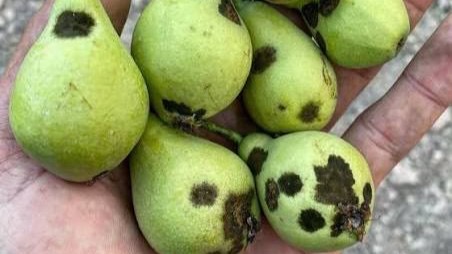
Alternaria alternata is a widespread fungal pathogen responsible for significant postharvest losses in pear fruit by causing black spot disease, reducing fruit quality, shelf life, and commercial value. Developing environmentally friendly alternatives to conventional fungicides is therefore essential for sustainable postharvest disease management.
Slightly acidic electrolyzed water as a sustainable disease control strategy
This study investigates the potential of slightly acidic electrolyzed water (SAEW) to suppress the growth, pathogenicity, and infection capacity of an Alternaria alternata strain (HB-13) isolated from diseased pear fruit.
Using an integrative approach combining in vitro growth assays, membrane integrity analyses, gene expression profiling, and in vivo disease control experiments, this work demonstrates that SAEW effectively suppresses fungal development and reduces pathogen virulence through multiple complementary mechanisms.
SAEW inhibited spore germination and mycelial growth, indicating a direct inhibitory effect on fungal development. Cellular analyses further demonstrated that SAEW disrupted fungal membrane integrity, resulting in increased leakage of intracellular nucleic acids and proteins. These findings indicate that SAEW compromises essential cellular structures required for fungal viability.
Encoding cell wall-degrading enzymes genes reduction
Beyond its effects on fungal growth, SAEW significantly reduced the expression of genes encoding key cell wall-degrading enzymes involved in host infection, including pectate lyases, cutinases, and cellulases.
Complete control of pear black spot disease with SAEW usage
Treatment with 150 mg/L SAEW completely prevented the development of pear black spot disease, achieving full disease control under the experimental conditions and demonstrating its potential as an effective postharvest treatment.
By simultaneously reducing fungal viability and infection capacity, SAEW represents a promising environmentally friendly strategy for the sustainable management of Alternaria alternata induced postharvest diseases in pear fruit.
Sources
Ling, J., Li, X.-b., Zhang, Y.-t., Hu, H.-l., Liu, X.-s., Zhang, Y.-j., . . . Zhou, H.-s. (2026). Inhibitory mechanisms and control efficacy of slightly acidic electrolyzed water against Alternaria alternata causing pear black spot disease. Storage and Process, 49-59