News
The Potential of Young Seedlings [Microgreens]
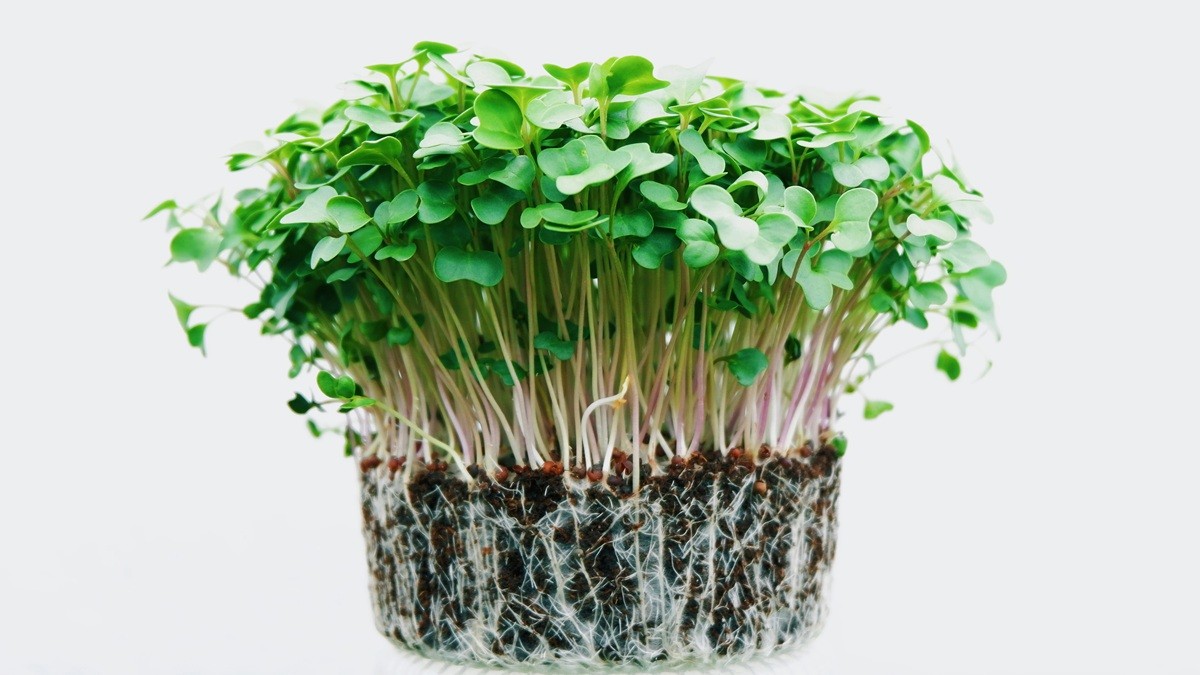
Microgreens are high-nutrient young seedlings grown through smart farming, whose primary scientific challenge lies in optimizing their postharvest preservation.
Rapid urbanization, land scarcity, and climate change demand efficient, high-yield urban food systems. "Hidden hunger"or critical micronutrient deficiency profoundly affects global health, driving the urgent need for metabolically dense and sustainable crops that optimize the use of minimal resources.
This review provides a comprehensive analysis of the entire microgreens value chain, bridging precision agronomic management in Controlled Environment Agriculture with postharvest biological challenges. The objective is to deliver a technical guide that facilitates the transition of these functional crops from a conceptual design to a secure, industrial scale reality. Unlike previous analyses that focus isolated attention on specific parts of the process, this review uniquely integrates the complete continuum: from genotype specific smart agricultural practices to postharvest preservation bottlenecks. Ultimately, it aims to provide clear guidance for researchers and commercial growers, establishing microgreens as a cornerstone for efficient, sustainable, and secure urban food systems.
Definition and Nutrition
Microgreens are young seedlings of herbs and vegetables harvested just after their first true leaves develop. Despite their diminutive size, they function as dense nutritional powerhouses.
Species such as broccoli, radish, or spinach concentrate two to three times higher levels of essential vitamins (A, C, E, K) and phenolic antioxidants than their mature counterparts. This shifts their classification into key functional foods; that is, dietary options that provide standard nutrition while delivering specific bioactives capable of protecting health and mitigating chronic diseases.
Smart and Sustainable Cultivation
Driven by Controlled Environment Agriculture, these crops thrive in vertical farms or urban, soilless (hydroponic) systems. Their primary advantages include:
- Efficiency: They exhibit an ultra-short growth cycle and demand minimal inputs, particularly regarding water footprint and spatial footprints.
- Total Control: Deploying targeted photomorphogenic light recipes (specialized LEDs) and custom-tailored nutrient solutions enables growers to dynamically program plant growth architecture and optimize target vitamin accumulation.
Current Bottlenecks: The Postharvest Challenge
As young, tender tissues, microgreens present high respiration rates, rendering the sector highly susceptible to rapid senescent decay and microbial food safety risks. To address these critical issues, current research targets the integration of Artificial Intelligence (AI) to automate dynamic climate handling, alongside mineral biofortification protocols and modified atmosphere eco-packaging designed to extend shelf-life sustainably.
Research Gaps and Future Horizons
Despite promising growth, the commercial sector faces a distinct lack of standardized, variety-specific agronomic recipes and human clinical trials to validate functional outcomes. From a biological standpoint, the ultimate hurdles are rapid postharvest shelf-life degradation and systemic pathogen internalization risks via root-to-stoma pathways. Future research lines must integrate plant genetics and AI processing to improve postharvest resilience, guarantee food safety, and forge uniform global regulatory standards for commercial scalability.
General Conclusion
In conclusion, microgreens represent a highly efficient agricultural revolution characterized by rapid development and exceptional nutritional density. Once future biological research deciphers the precise mechanisms to halt postharvest senescence and prevent microbiological contamination through AI-driven management, these crops will shift from a niche conceptual baseline to an industrial pillar of future food systems, ensuring sustainable and health-optimized diets worldwide.
Fuente
Microgreens in controlled environment agriculture: a comprehensive review of nutritional optimization, agronomic innovations, and postharvest sustainability. 2026. Ghorai, Subhadwip; Hazra, Soham; Roy, Sourav; Bose, Suvojit; Mohanta, Rajdeep; Bhunia, Rudra; & Mukhopadhyay, Ankur.
Biología Futura, 77, Artículo 104
https://doi.org/10.1007/s42977-026-00324-3
Picture, Unsplash
Related news