Packaging
Food packaging: cold chain, return systems, and recycled material
Three packaging approaches to protect food and improve hospitality logistics
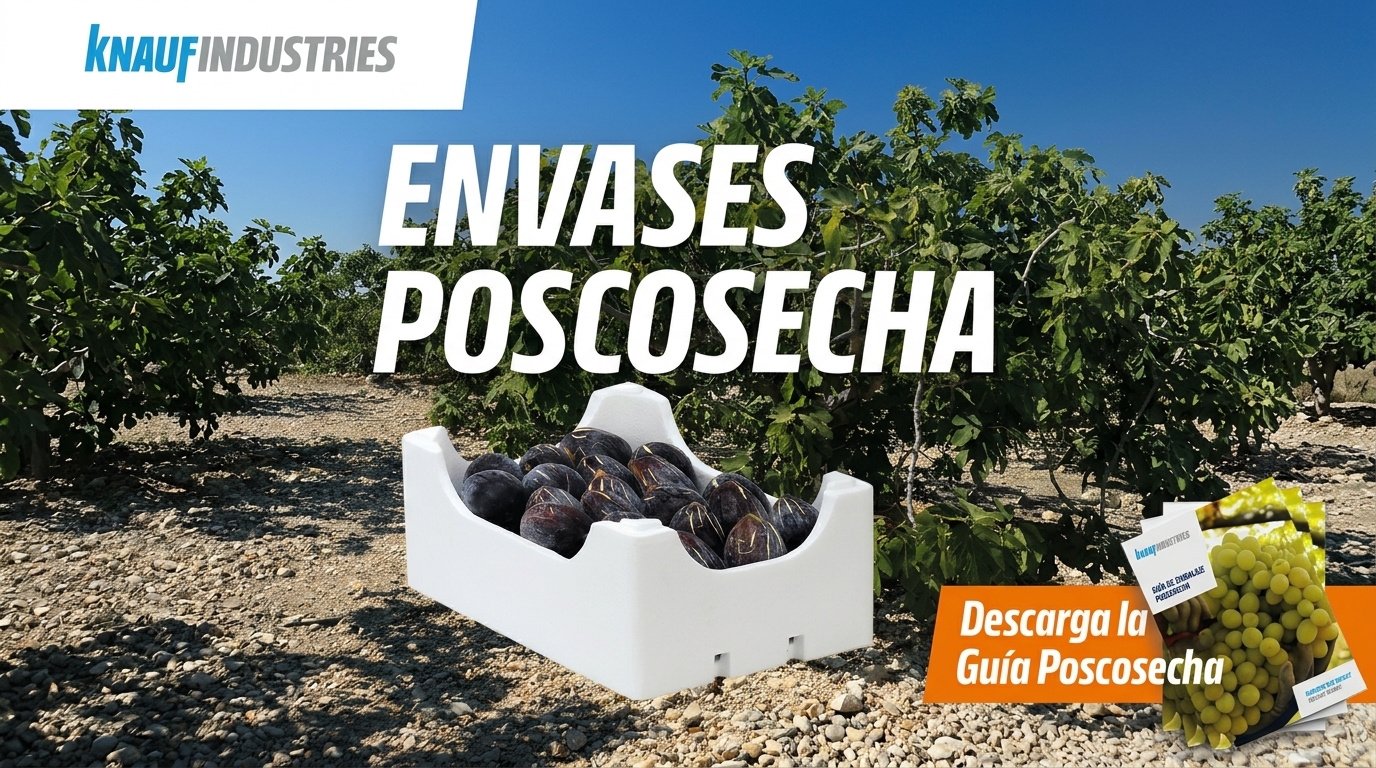
In its latest newsletter, Knauf Industries presents three solutions for food packaging and transport: EPS and EPP insulated packaging, KOMEBAC® returnable containers for the hospitality sector, and CELOOPS® a recycled raw material suitable for food contact.
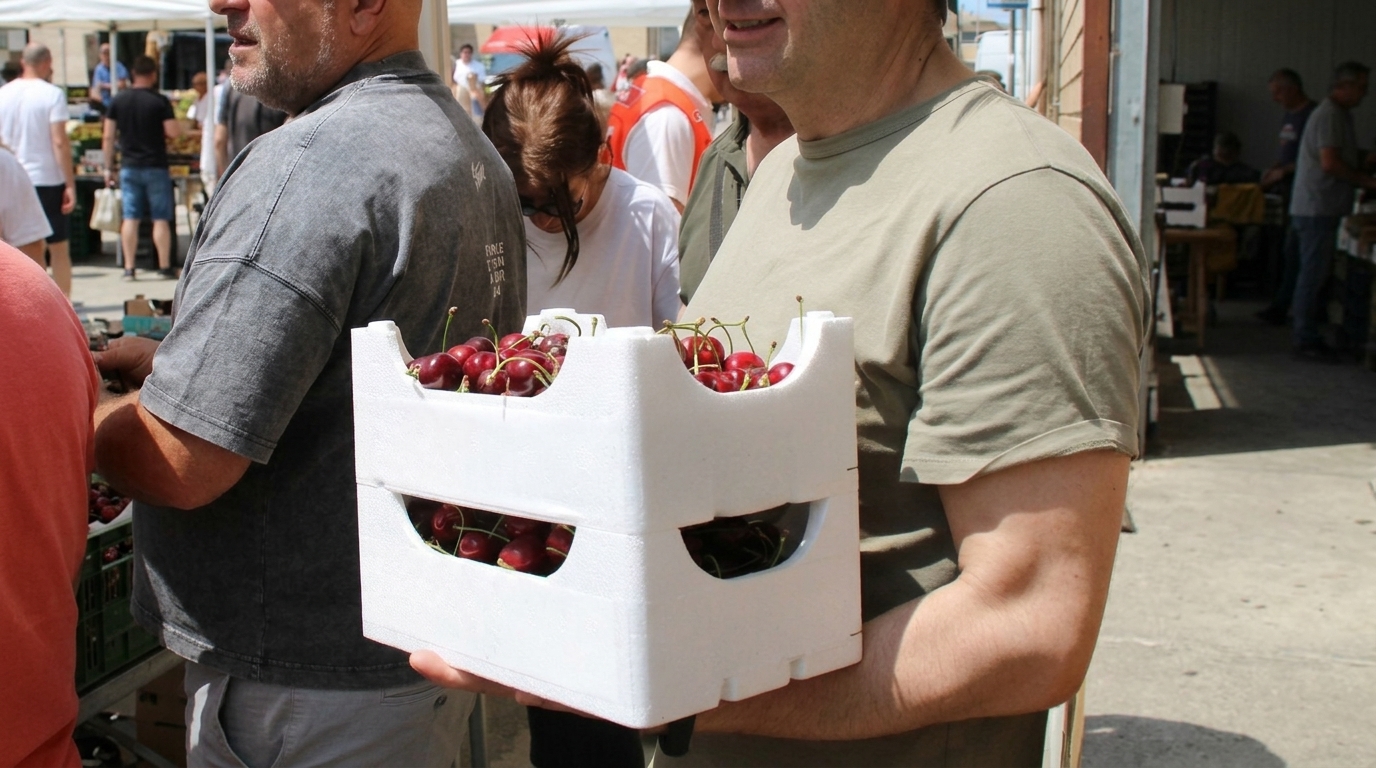
Refrigerated food transport: discover the competitive advantages of EPS packaging
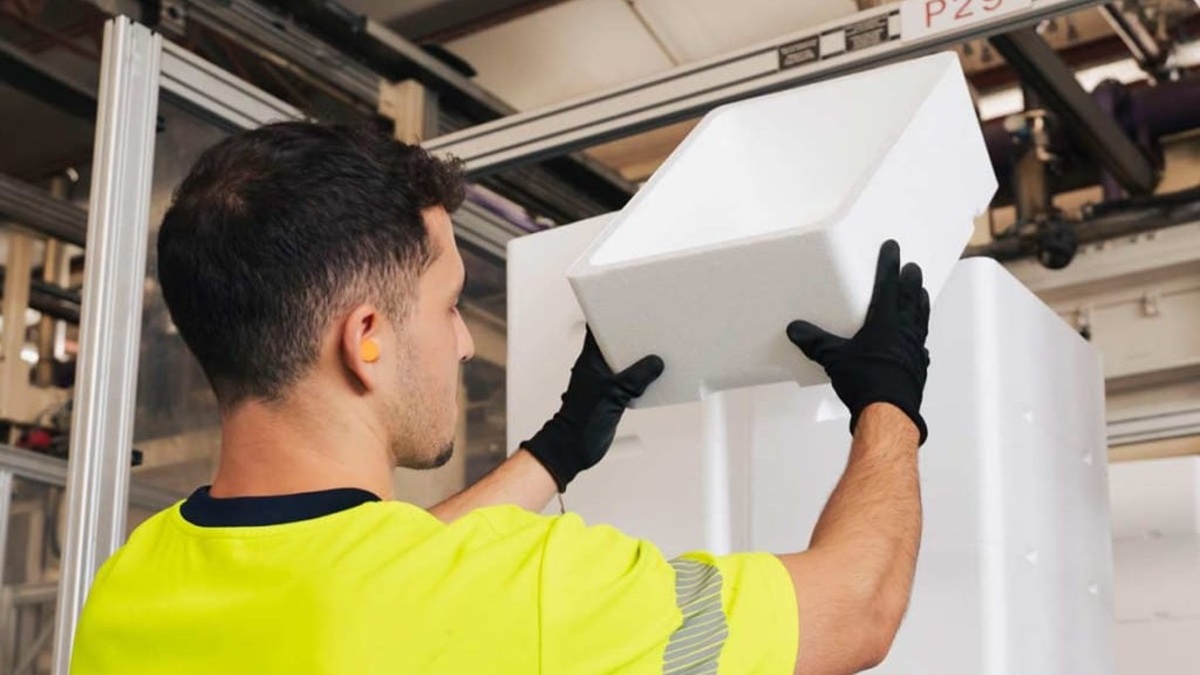
EPS and EPP insulated packaging help protect food during refrigerated transport, thanks to their lightweight nature and insulating properties. Selecting the right format requires considering the type of product, the required temperature, the duration of the journey, and handling conditions all as part of a coordinated approach to cold chain management and food safety.
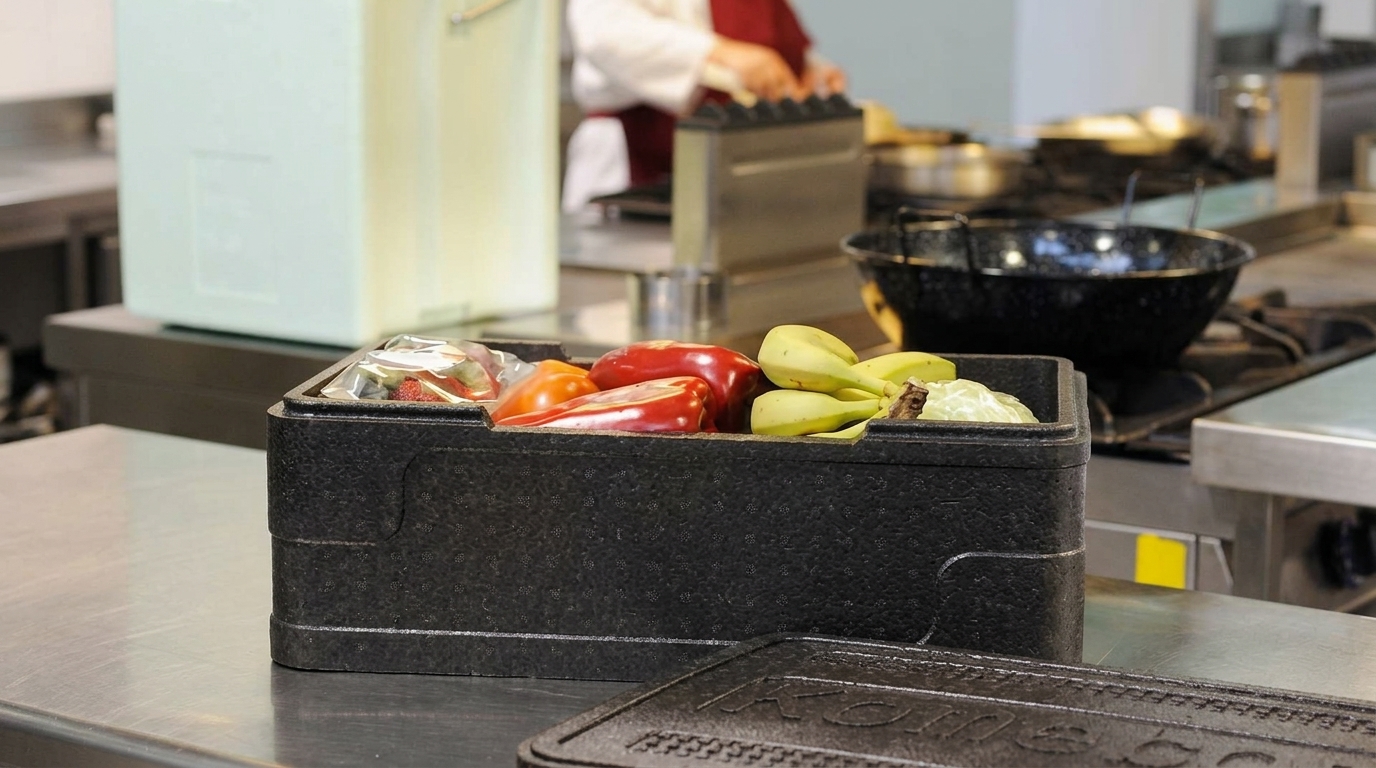
Returnable containers to keep pace with hospitality logistics
The KOMEBAC® insulated range is designed for operations involving repeated cycles of transport, cleaning, and return.
For the hospitality and food service sectors, KOMEBAC® returnable insulated containers offer a combination of light weight, ease of cleaning, and durability for multiple uses. Utilizing them effectively requires organizing the collection, washing, and inspection of the containers between deliveries particularly for recurring catering and institutional food service routes.
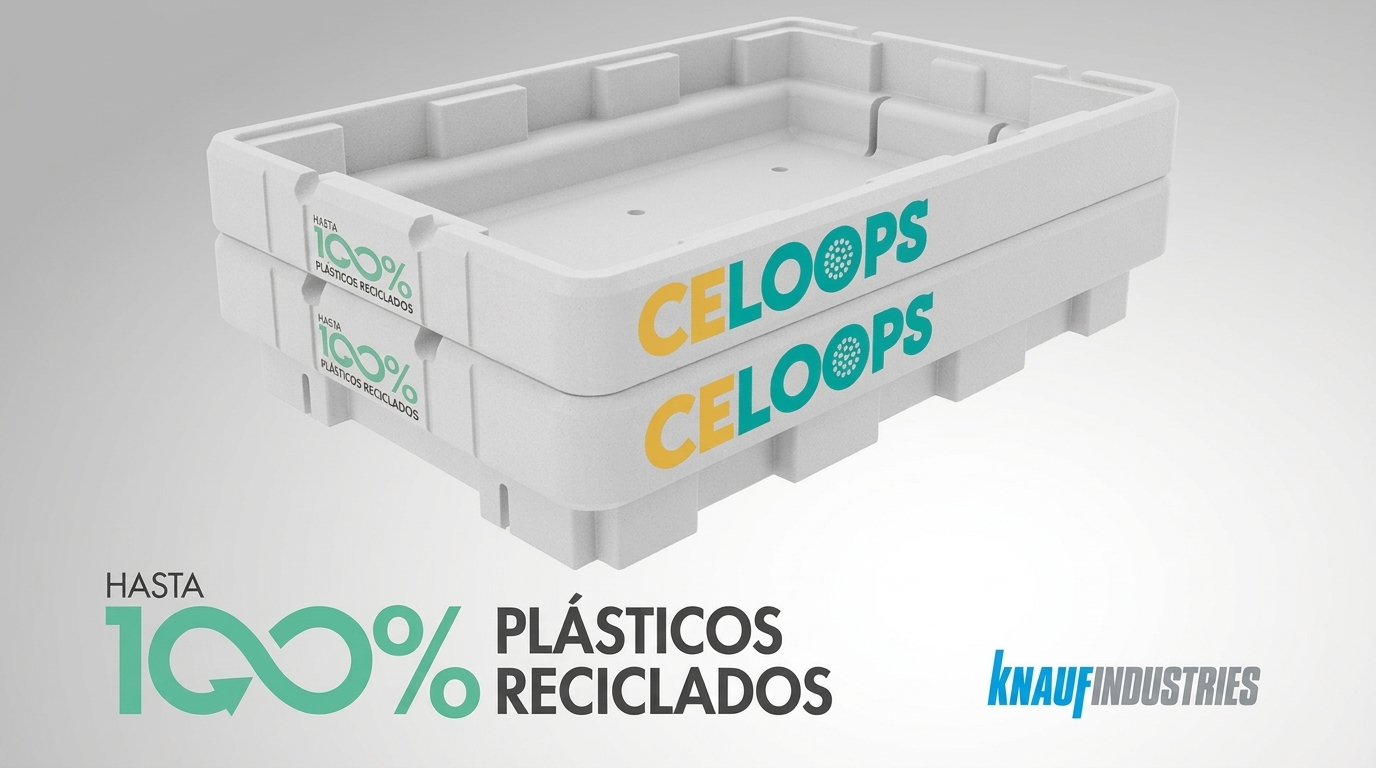
CELOOPS® incorporates recycled plastic into food-contact packaging
CELOOPS® is a raw material for food packaging made from recycled plastic, with a recycled content that can reach up to 100%. It serves as an alternative to conventional EPS, retaining key properties such as being lightweight and providing thermal insulation; furthermore, it is recyclable and suitable for food contact. Its use should be evaluated based on the specific product, the packaging design, and all applicable safety and regulatory requirements.
Download here:

Taken together, these three proposals demonstrate how packaging can address various challenges in food logistics: maintaining temperature during transport, facilitating reuse within the hospitality sector, and advancing the use of recycled raw materials. The best choice depends on the specific product, distribution conditions, and the requirements of each operation.
From insulated EPS and EPP packaging to returnable containers and CELOOPS®, the focus is on combining protection, functionality, and circularity. Implementing these solutions requires a comprehensive assessment of each packaging type, taking into account its intended use, hygiene protocols, and relevant regulatory requirements.