Packaging
Fruit and vegetable packaging: Solutions to ensure and preserve temperature and freshness.
More than just packaging: a strategic tool for post-harvest.
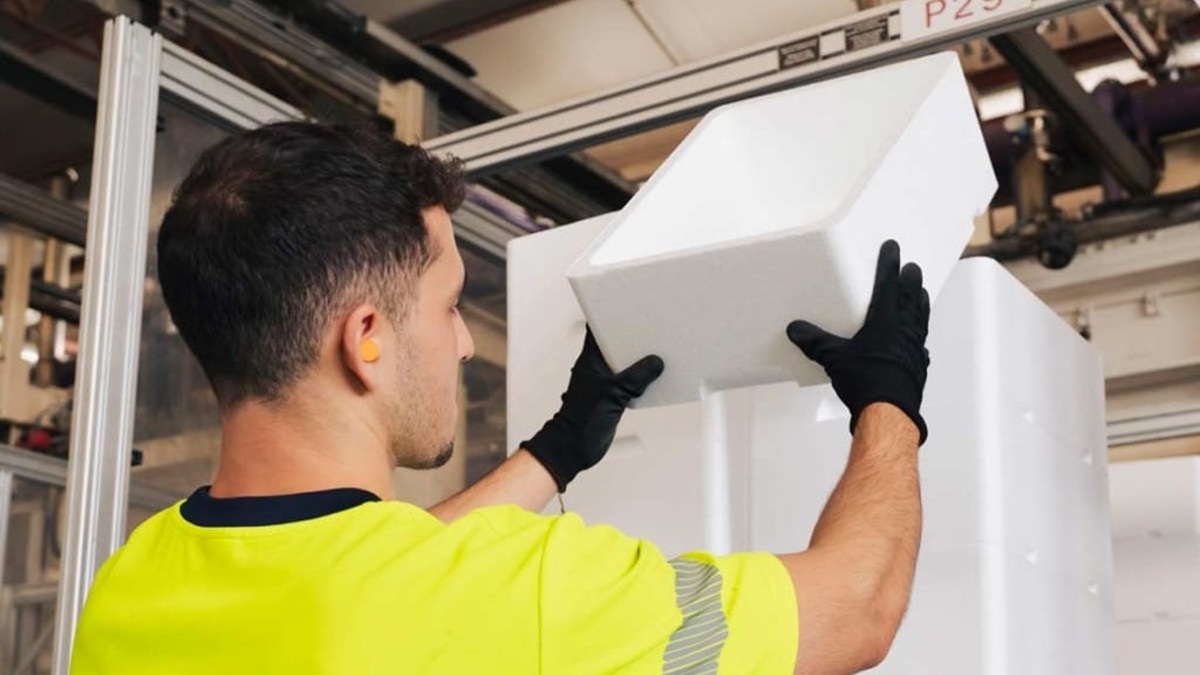
In the fruit and vegetable supply chain, packaging has evolved from a mere means of transport into a key tool for preserving quality and reducing post-harvest losses. Its role extends far beyond simply containing the product, as it directly influences freshness, shelf life, food safety, and consumer perception.
Experts agree that efficient packaging management minimizes waste, optimizes logistics, and preserves the commercial value of fruits and vegetables during distribution. Knauf Industries emphasizes that packaging should be considered an integral part of the post-harvest strategy, as it directly influences product protection, traceability, and presentation.
Temperature and humidity control: decisive factors
After harvest, fruits and vegetables continue to respire and undergo physiological processes that accelerate their deterioration. For this reason, maintaining appropriate temperature and humidity conditions is essential to preserve their quality.
Modern packaging systems are designed to promote ventilation, facilitate cooling processes, and reduce moisture accumulation—factors that help limit the onset of rot and issues associated with prolonged storage. Furthermore, certain materials offer insulating properties that help maintain thermal stability during transport and distribution.
Protection against damage and financial loss
Impacts, vibrations, and mechanical damage are among the leading causes of economic loss in the fruit and vegetable sector. Proper packaging protects produce during handling, storage, and transport, reducing the risk of bruising, abrasions, and visual deterioration.
This protection is particularly important for delicate fruits such as cherries, apricots, strawberries, and plums, where any damage can significantly affect their market value and consumer acceptance.
Material innovation for greater efficiency
Technological evolution is also driving the development of new materials capable of enhancing the performance of traditional packaging—specifically, solutions based on expanded polystyrene (EPS).
Expanded polystyrene (EPS) is a very lightweight material (composed of 98% air). EPS boxes for fresh produce weigh 70–80% less than other containers of the same size. This streamlines loading and unloading operations and reduces transport costs.
They are particularly well-suited for stone fruit (cherries, apricots, plums, etc.), broccoli, and living lettuce.
Sustainability and the circular economy
Sustainability has become a key driver of innovation in the packaging sector. New European regulations and consumer demands are driving the use of recyclable and reusable materials with a lower environmental footprint.
Against this backdrop, manufacturers are working on solutions that combine product protection with the achievement of circular economy goals, reducing waste generation without compromising quality or food safety. All post-harvest packaging from Knauf Industries is manufactured using 100% recyclable materials.
From standard containers to custom-designed packaging
Not all products have the same post-harvest requirements. Factors such as susceptibility to bruising, respiration rate, water loss, optimal storage temperature, transport distance, and the marketing system all influence packaging design.
Therefore, packaging selection must take into account the product, logistics, and the target market. Analyzing actual transport and storage conditions makes it possible to determine key aspects such as strength, ventilation, insulation, stacking capacity, and ease of handling.
When packaging translates into results
The importance of these characteristics is also reflected in trials and commercial applications. A study conducted in collaboration with Miguel Hernández University (UMH) evaluated reusable EPP crates against conventional HDPE containers for table grapes. According to results reported by the manufacturer, the Harvest crates helped maintain fruit firmness for longer periods and reduced post-harvest weight loss.
Commercial experiences with cherries also demonstrate how the choice of material can influence both product protection and logistical efficiency. Replacing wooden crates with lighter-weight solutions significantly reduces packaging weight, while certain materials can also provide a distinctive presentation tailored to higher-value markets.
Towards more efficient post-harvest management
The combination of new materials, optimized designs, and sustainable solutions is transforming the role of packaging within the fruit and vegetable sector. In a landscape defined by the need to reduce waste, improve logistics efficiency, and ensure food quality, packaging is establishing itself as a cornerstone of post-harvest innovation.
More information