News
Exploring the Determining Factors of Post-Harvest Storage
This review, conducted by M.J. Gidado, Ahmad Anas Nagoor Gunny, Asgar Ali, Lise Korsten, and Monisha Devi, explores the factors that influence food storage quality, as well as the challenges they pose and the available mitigation strategies
Post-harvest storage
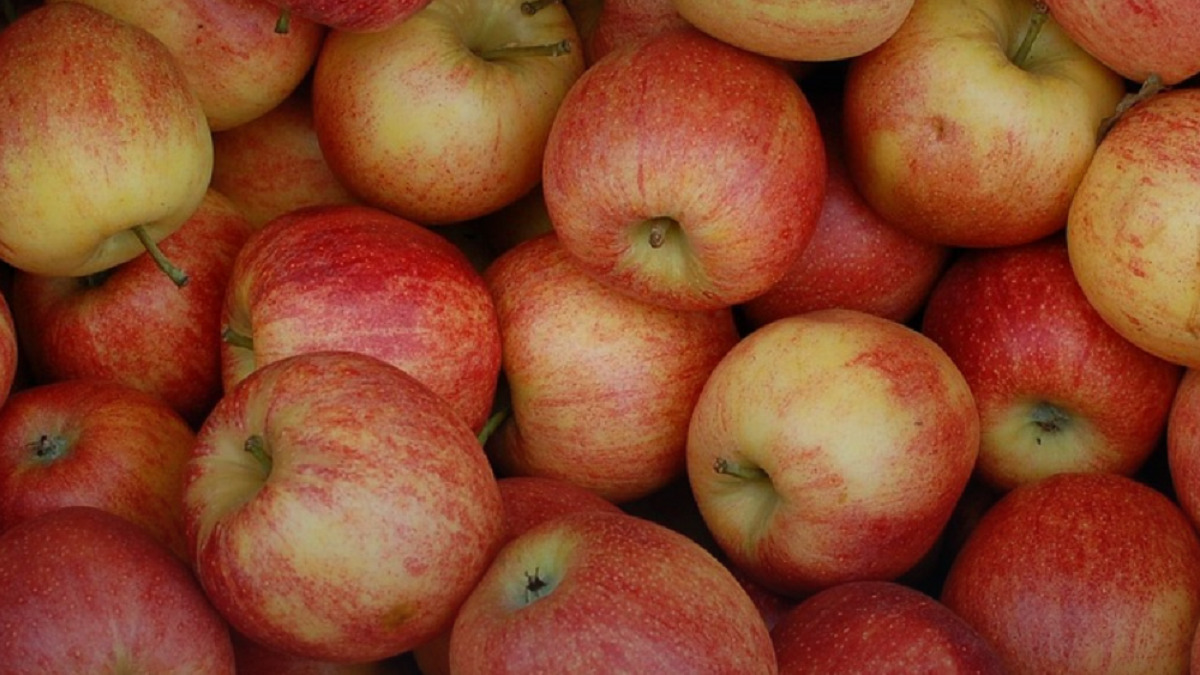
Post-harvest storage is one of the main pillars of the agri-food chain, ensuring access to out-of-season foods, preserving their nutritional and organoleptic qualities, and reducing the need for synthetic preservatives. It also plays an important social role: it guarantees food availability, provides a livelihood for farmers, and boosts competitiveness in the global market.
However, it is estimated that nearly half of the food intended for human consumption is wasted, with fruits and vegetables being the most commonly wasted due to their perishable nature.
Determining Factors
Among the physical factors (both environmental and external) that determine the success of postharvest storage are temperature, relative humidity, atmospheric composition, light exposure, microbial load, and mechanical stress. These factors are not isolated from one another; they interact synergistically. Therefore, strategies aimed at containing, curbing, or otherwise managing them must be comprehensive, taking into account the full range of factors affecting the food in question.
A Comprehensive Solution
The review concluded that postharvest deterioration is a complex process determined by the interactions between pathogenic activity, physiological degradation, environmental stress, and supply chain limitations.
Therefore, to effectively keep all these factors in check, the control strategy must be comprehensive and combine biological preservation, monitoring, and implementation tailored to the specific situation, rather than relying on isolated solutions.
Obviously, the suitability of a control system depends on the context, such as the agroecological region or economic capacity. It is worth noting that despite emerging technologies in biological control, smart packaging, and digital monitoring—which promise more sustainable post-harvest quality control systems tailored to each context—there remains a significant lack of information regarding climate-resilient design, the validation of results across regions, and the translation of academic research into practical field applications.
That is why the next generation of postharvest technology will require interdisciplinary collaboration and the alignment of various technologies with social and economic considerations to yield real and relevant solutions on a global scale.
Source: Gidado, M. J., Gunny, A. A. N., Ali, A., Korsten, L., & Devi, M. (2026). Environmental and External Determinants of Postharvest Storage: Impacts, Challenges, and Sustainable Mitigation Strategies. Food Chemistry Advances, 101290. https://doi.org/10.1016/j.focha.2026.101290
Image source: Pixabay
Related news