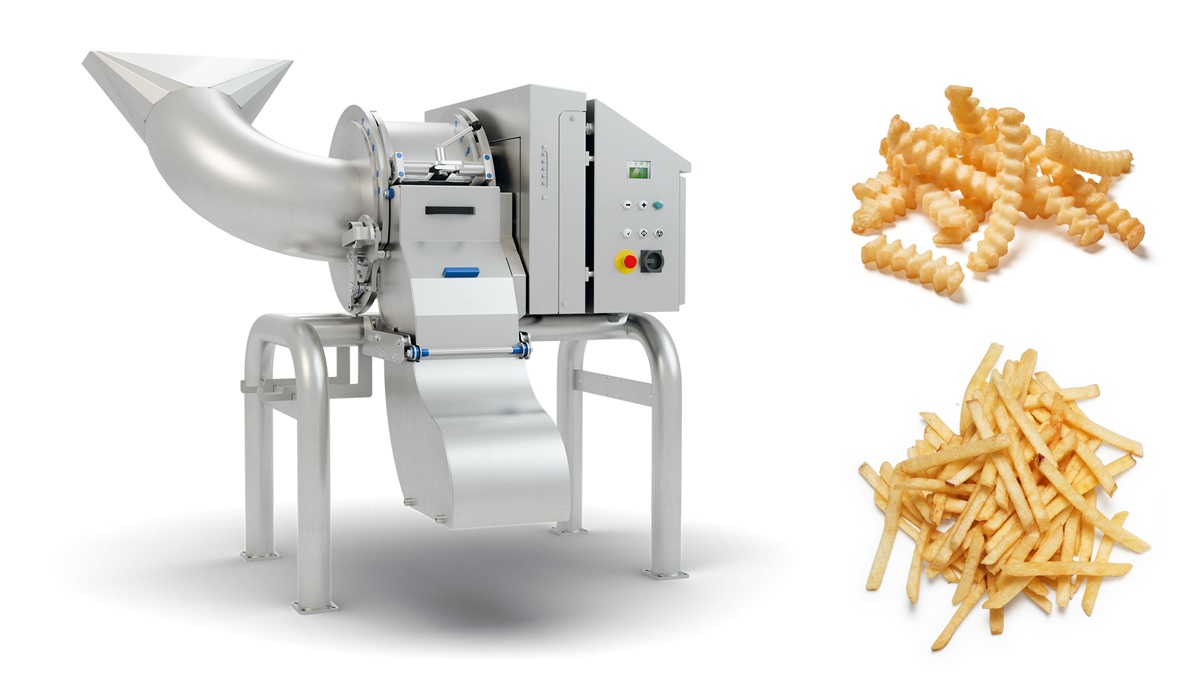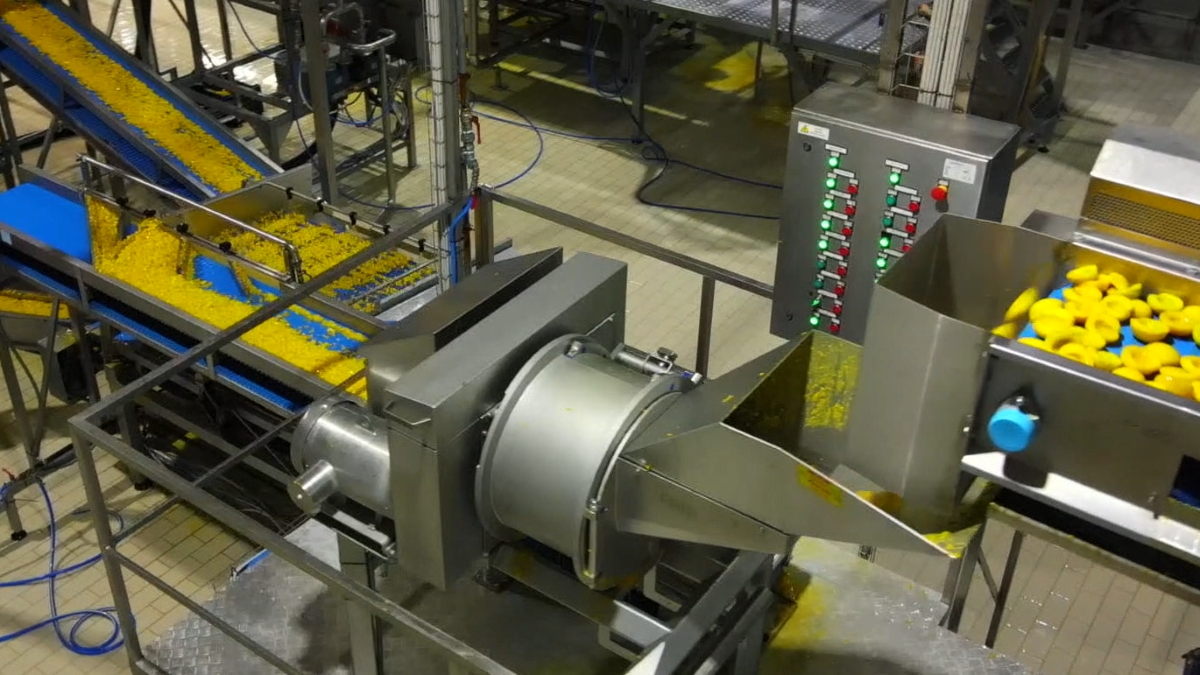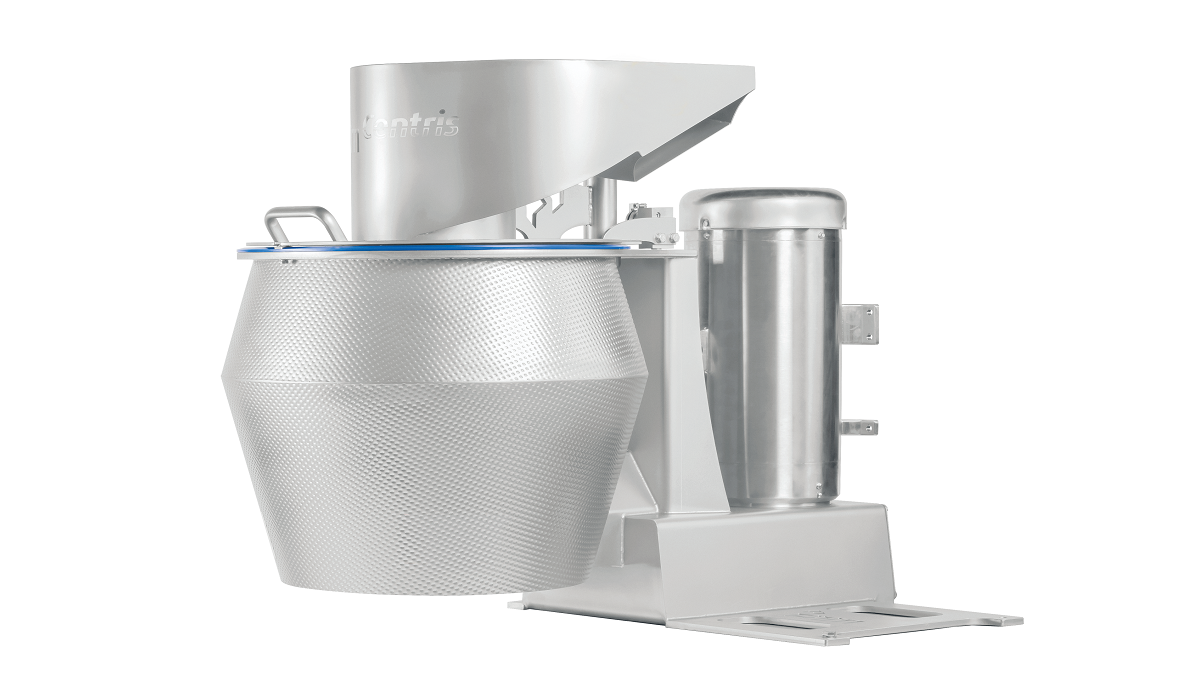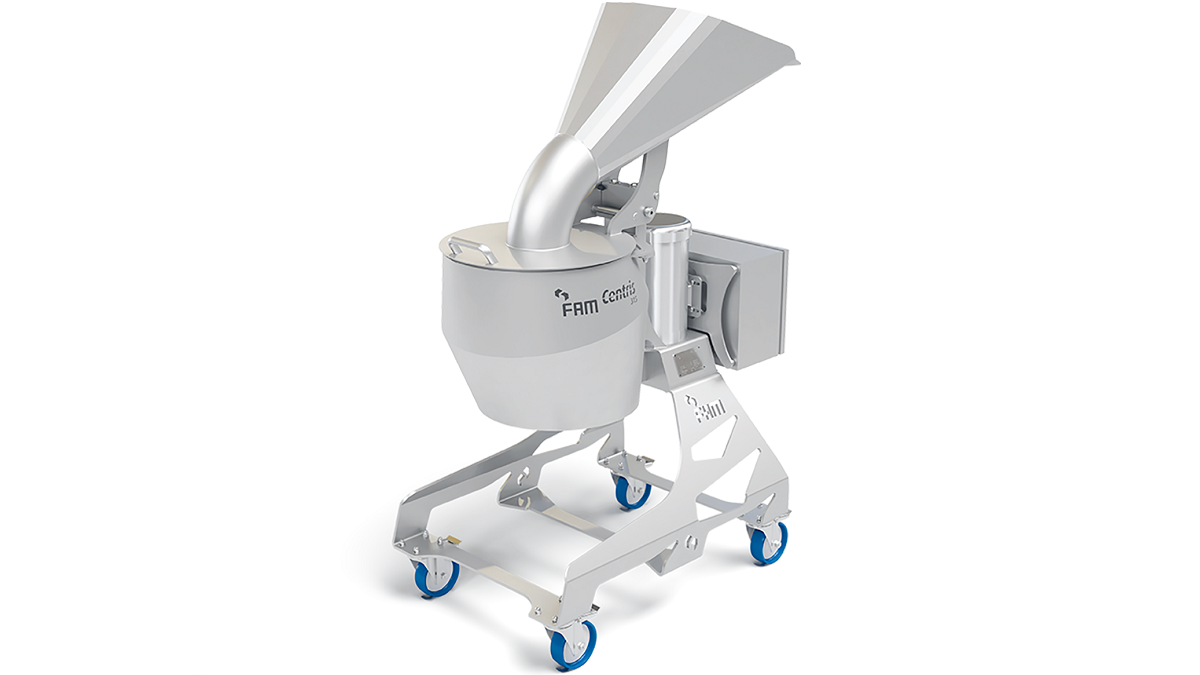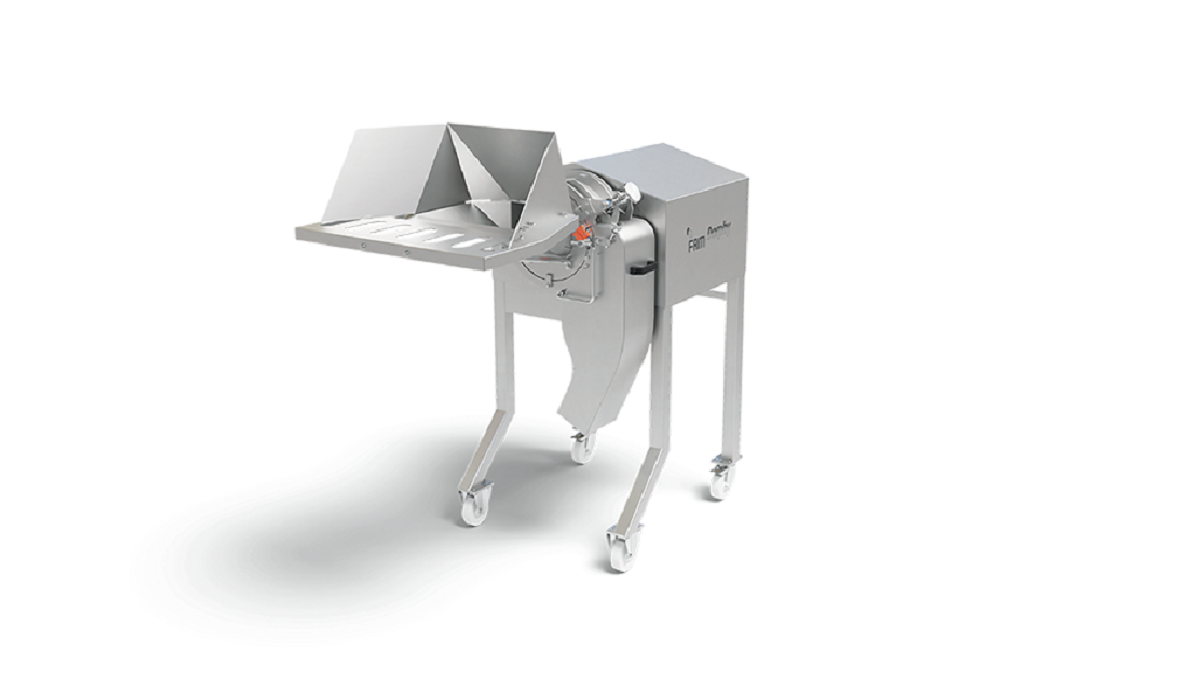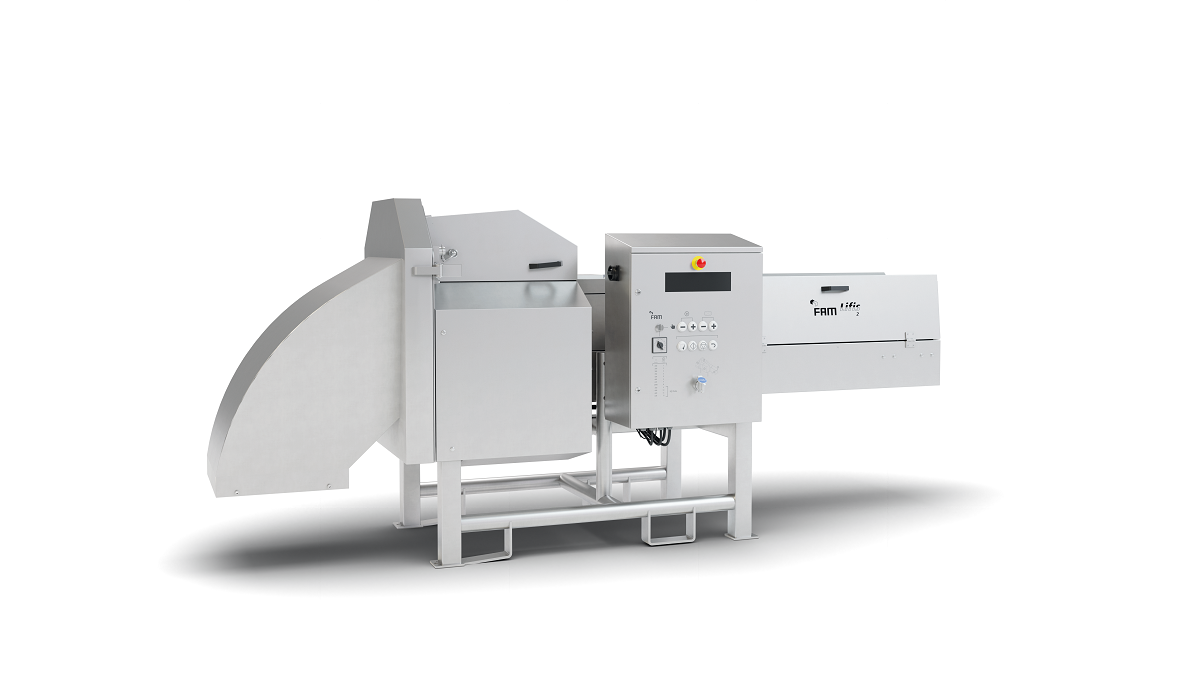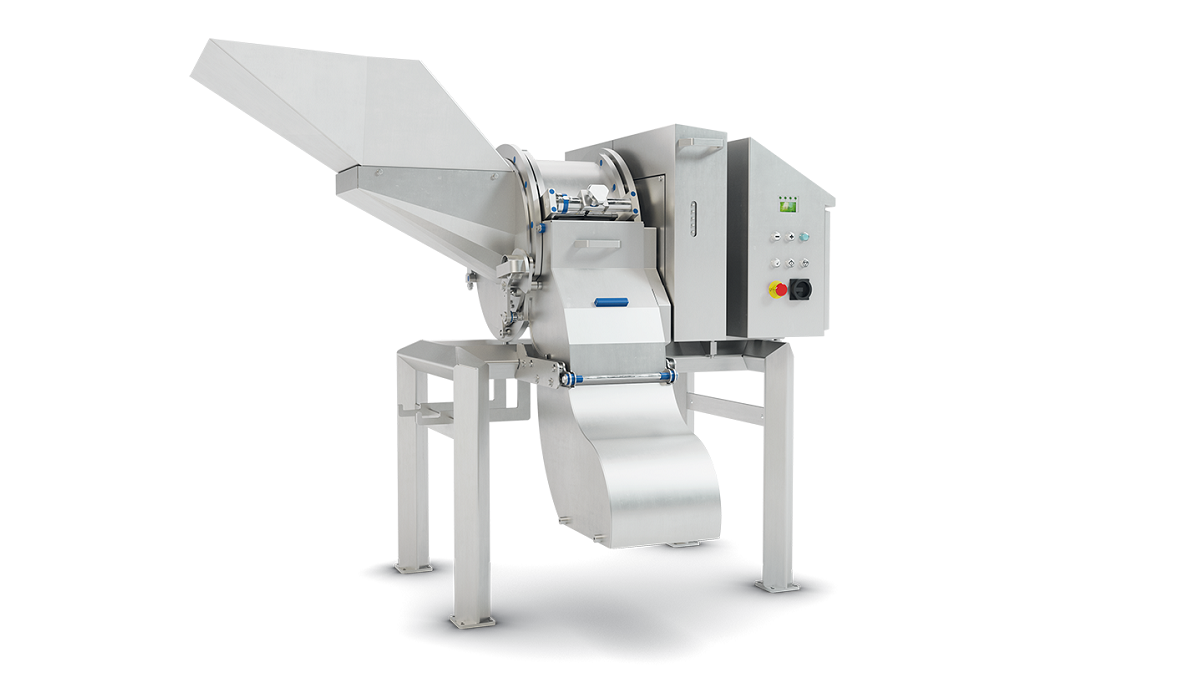

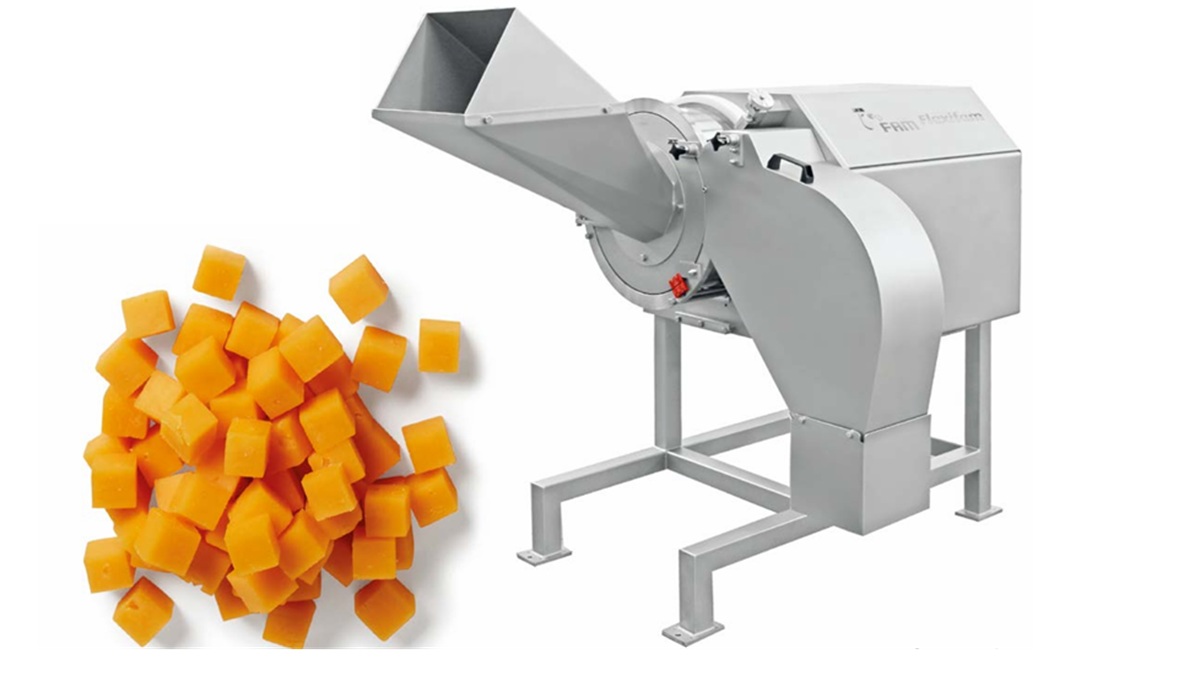
FAM STUMABO is strengthening its technology offering with industrial cutting solutions designed to improve size and shape consistency in demanding food processing lines. The company positions blade precision, mechanical stability, and hygienic design as key levers to increase throughput efficiency and sustain consistent final quality in products that are sensitive to handling. In plants processing complex matrices, such as blends rich in protein, fat, fiber, or starch, the choice of cutting system can directly influence the share of out of specification product and the amount of waste generated during processing.
Technical highlights of FAM STUMABO solutions
FAM STUMABO combines high capacity cutting machinery with a dedicated focus on blade engineering, edge geometries, and configuration options tailored to each target cut size. In operations such as dicing, strip cutting, slicing, or shredding, the company emphasizes adjustment of critical variables including effective shear force, line speed control, product infeed stability, and discharge conditions to prevent clogging and product compression.
The approach also prioritizes hygienic design to reduce cleaning time and improve restart repeatability after sanitation, particularly when processing emulsions, sticky mixes, or formulations prone to build up. In practice, the objective is to keep cleaner edges, limit friction driven heating, and reduce the generation of fine particles that can affect yield, texture, and visual appearance.
Practical implications for plant performance, quality, and efficiency
To capture value quickly, plants should define measurable cutting specifications, including a size range, shape tolerances, and an acceptable fines threshold, and then validate performance through sampling by lot and by shift. When fines increase or pieces become deformed, corrective action should begin with checking blade condition and installation, line speed, product temperature, and infeed stability, because these factors commonly explain the loss of uniformity.
For lines with frequent product changeovers, it is advisable to standardize machine recipes with reference settings, record deviations, and link them to operational causes such as texture variation driven by formulation, maturity, or prior storage. In parallel, hygiene must be integrated into process control with cleaning verification, disassembly time tracking, and defined inspection points, because residue accumulation increases friction, worsens cutting quality, and raises cross contamination risk.
With this approach, FAM STUMABO positions precision cutting as a practical lever to reduce losses, stabilize specifications, and support hygienic operation in food processing plants. The next step for companies seeking fast improvements is to audit their current cutting step, quantify fines and out of tolerance output, and adjust blades and parameters under a routine verification plan that sustains performance over time.