Fruit Cuticle Composition Determines Postharvest Water Retention in Mangoes
A study published in Postharvest Biology and Technology has shown that the chemical composition of the mango fruit cuticle plays a key role in water retention and postharvest quality. Researchers identified significant differences among mango cultivars and found that cutin, particularly hydroxy fatty acids, is one of the main factors responsible for reducing water loss during storage
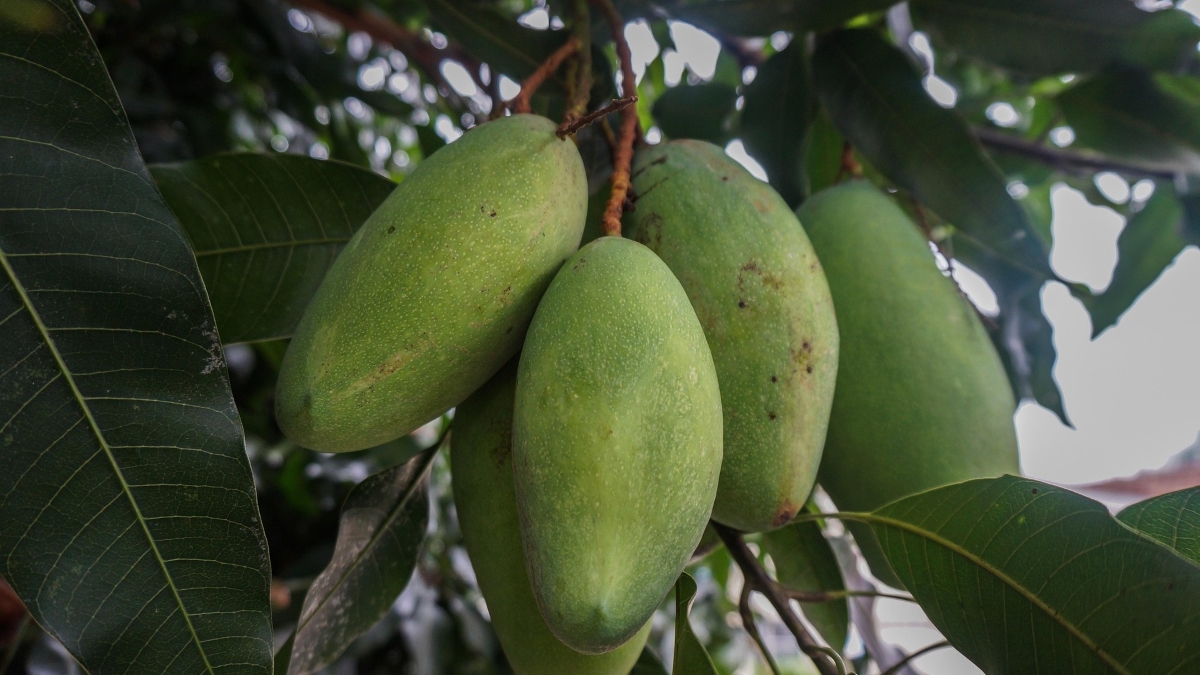
Rapid ripening and water loss are among the main factors limiting the postharvest shelf life of mangoes (Mangifera indica L.). To better understand the natural mechanisms that protect fruit during storage, researchers investigated the properties of the fruit cuticle in different mango cultivars, identifying the compounds responsible for improved postharvest water retention.
The study, published in Postharvest Biology and Technology, evaluated one wild mango (Mangifera persiciforma ‘Biantao’) and five commercial cultivars using scanning electron microscopy, gas chromatography–mass spectrometry (GC-MS), and gene expression analyses related to cuticle biosynthesis.
Cutin Plays a Greater Role Than Wax in Water Retention
The fruit cuticle forms the primary protective barrier against moisture loss and consists mainly of cuticular waxes and cutin. The results revealed considerable differences among cultivars in both the surface structure of epicuticular waxes and their chemical composition.
Researchers identified 38 wax components and 25 cutin monomers, finding that primary alcohols and aldehydes dominated the wax fraction in most cultivars, while hydroxy fatty acids accounted for more than 90% of the total cutin monomers.
The study concludes that total cutin content, particularly hydroxy fatty acids, is strongly associated with improved postharvest water retention, showing a significant negative correlation with fruit water loss during storage.
Cultivar Differences Influence Postharvest Performance
Among the cultivars evaluated, ‘Guifei’ exhibited the highest water retention capacity, whereas the wild cultivar ‘Biantao’ showed the greatest rate of water loss after harvest.
In addition, the expression analysis of 27 genes involved in cuticle biosynthesis revealed cultivar-specific transcriptional patterns that closely matched lipid accumulation in the fruit cuticle. These findings indicate that genetic regulation plays an important role in determining cuticle composition and, consequently, postharvest storage performance.
New Opportunities to Improve Mango Storage Quality
According to the authors, understanding which cuticle components contribute most effectively to water retention opens new opportunities for breeding programs and postharvest management strategies aimed at improving mango storage quality.
The identification of candidate genes involved in cutin biosynthesis could support future research focused on developing mango cultivars with greater resistance to dehydration, enhanced commercial quality, and longer shelf life during storage and distribution.
Source
Zhang, F., Meng, Z., Zhang, Y., Ren, F., Ha, S., Wang, Y., Zhou, M. y Xu, X. Properties, chemical composition and related gene expression of fruit cuticle in postharvest mango cultivars. Postharvest Biology and Technology, Vol. 242 (2026), artículo 114604.
https://www.sciencedirect.com/science/article/abs/pii/S0925521426004539
Related news