News
IFT analyzes the lessons to be learned from the US Cyclospora outbreak
Food safety is built on multiple complementary layers: prevention, traceability, speed of response and sustained investment in research
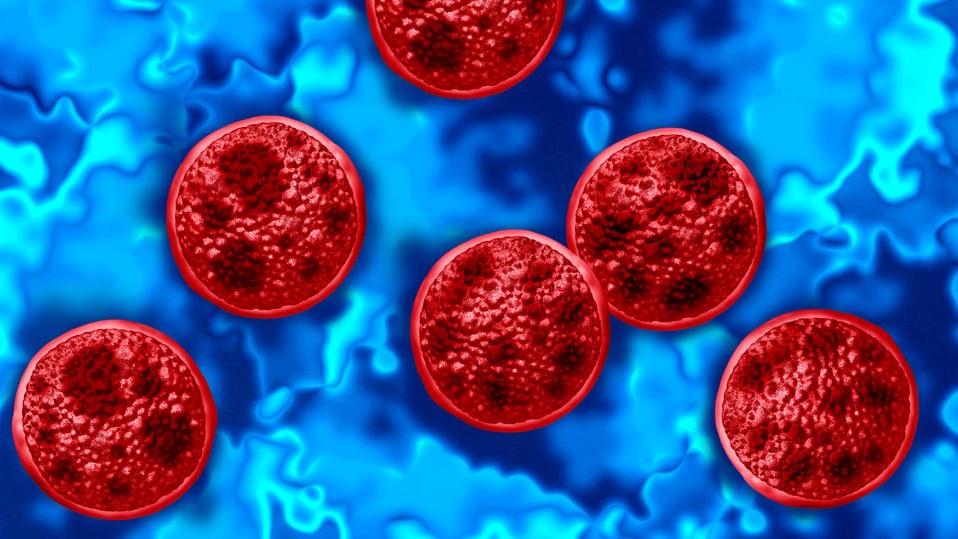
A few weeks ago, the United States experienced a Cyclospora (*) outbreak, which resulted in the deaths of many consumers. Below are the conclusions drawn from this event by Sara Morris, a contributor to the food technology magazine IFT, who emphasizes the importance of prevention, traceability, rapid response, and sustained investment throughout the entire food safety system.
Cyclospora may not be a household word in the way E. coli or Salmonella are, but that is likely to change with the recent outbreak contributing to more than 10,000 laboratory-confirmed domestic cases and more than 12,000 additional cases under investigation in 2026, per the Centers for Disease Control (CDC). Illnesses related to this recent outbreak date back to June with cases now reaching virtually every state.
Consumers are struggling to understand which fruits and vegetables are safe to eat and often are left with more questions than answers. In this Brain Food blog, IFT tackles some of those questions to help consumers better understand not only the Cyclospora outbreak, but food safety in the United States in general.
What Is Cyclospora?
Cyclospora is a microscopic parasite that causes the intestinal illness cyclosporiasis. Unlike many common foodborne bacterial pathogens, Cyclospora presents unique investigative challenges. Here are some of the key facts to know:
- Symptoms typically begin about one week after exposure (range: 2–14 days).
- Illness commonly includes prolonged diarrhea, abdominal cramping, nausea, bloating, fatigue, and weight loss.
- The parasite is not transmitted person-to-person under normal circumstances.
- Cases typically increase during the spring and summer months, with the CDC, Centers for Disease Control and Prevention, recognizing a seasonal surveillance period from May through August.
- Cyclospora is destroyed by cooking, meaning that illnesses are primarily associated with fresh produce that is consumed raw.
For a quick overview of Cyclospora, its symptoms, and what consumers can do to protect themselves, view IFT’s Cyclospora: What You Need to Know infographic.
Why has it been so difficult to identify the source and limit this outbreak?
Cyclospora investigations are uniquely challenging. Long incubation periods, the short shelf life of fresh produce, complex supply chains, and delays between illness and reporting can all complicate efforts to quickly identify a contaminated product and remove it from the marketplace.
The CDC monitors cyclosporiasis year-round in collaboration with state and local health departments to rapidly identify outbreaks associated with common food sources.
However, because of delays between illness, diagnosis, reporting, and laboratory confirmation, the CDC estimates a lag of approximately six weeks between illness onset and national reporting.
As a result, case counts often continue increasing even after the contaminated product has been removed from commerce.
What is normal food safety protocol in the event of an outbreak?
This outbreak provides a useful lens through which to understand how the U.S. food safety system works.
While outbreaks often draw attention to a single contaminated product or supplier, effective food safety depends on a coordinated system of prevention, surveillance, and response that begins long before an illness occurs and continues until the source has been identified and corrective actions have been taken.
That system is built on three complementary components:
- Prevention through science-based agricultural and food safety practices designed to reduce contamination before products reach consumers;
- Detection through public health surveillance systems that identify illnesses and recognize emerging outbreaks; and
- Response through traceback investigations, recalls, and product traceability that help identify contaminated products, remove them from commerce, and inform future prevention efforts.
No single component can eliminate every food safety risk. Rather, consumer protection depends on these three functions working together.
How is produce safety monitored and regulated in the United States?
Fresh produce has been the focus of significant food safety investment over the past two decades, driven by a history of high-profile outbreaks and the unique characteristics of these products.
Unlike many foods, fruits and vegetables are often consumed raw, meaning there is no cooking step to eliminate harmful pathogens before consumption.
Produce is also widely consumed, highly perishable, and frequently moves through complex domestic and international supply chains before reaching consumers.
Together, these factors have made fresh produce a priority for food safety regulation, surveillance, and traceability initiatives.
Viewed through the lens of prevention, detection, and response, the roles of the U.S. Food and Drug Administration (FDA), the CDC, state public health agencies, health-care providers, and industry become much easier to understand.
Each contributes to a different stage of protecting consumers, from reducing contamination at the farm to identifying outbreaks and removing affected products from the marketplace.
Where does traceability fit in this process?
Traceability is a key part of the response process.
Once investigators identify a likely food source, the focus shifts from understanding what is making people sick to preventing additional illnesses.
At this stage, the response becomes a coordinated effort involving public health agencies, regulators, and the food industry.
One of the most urgent questions investigators must answer is not simply, “Where did this product come from?” but also “Where else did it go?” The first question helps identify the source of contamination. The second helps determine whether additional consumers may still be at risk.
This is where traceability becomes essential. Effective traceability allows investigators to rapidly follow a product backward through the supply chain to identify its origin while simultaneously tracing it forward to identify every distributor, retailer, restaurant, or other customer that may have received the affected product.
The faster those distribution pathways can be identified, the faster potentially contaminated products can be removed from commerce, and the fewer additional illnesses may occur.
Recognizing the importance of rapid traceback and trace forward investigations, the FDA finalized the Food Traceability Rule (FSMA Section 204) to establish standardized recordkeeping requirements for foods on the Food Traceability List, including leafy greens.
When fully implemented, the rule is intended to significantly reduce the time required to answer, “Where did this product come from, and where else did it go?”
The original compliance date for the Food Traceability Rule was January 2026, but that date was extended until July 2028. Although the compliance date was extended, the public health need for improved traceability has not changed.
When the delay was announced, IFT emphasized that the extension should be viewed as additional time to strengthen implementation, not as a reason to postpone investment. Organizations that begin building interoperable traceability systems today will be better positioned to respond quickly to outbreaks like the one currently unfolding.
What does this outbreak tell us about our food system?
First, food safety is built on multiple complementary layers, not any single regulation, technology, or agency.
Prevention programs reduce risk, surveillance detects illnesses, epidemiologic investigations identify outbreaks, and traceability supports rapid response. The overall strength of the food safety system depends on these layers working together.
Second, prevention cannot eliminate every risk. Fresh produce is grown outdoors and often consumed raw, making complete risk elimination unrealistic. The goal is to continually reduce risk while ensuring outbreaks can be identified and contained as quickly as possible.
Third, speed matters. Every day investigators save in identifying the source of contamination has the potential to prevent additional illnesses.
Investments in interoperable traceability systems, standardized data sharing, and well-resourced public health agencies all contribute to faster investigations and more targeted public health actions.
Finally, this outbreak underscores the importance of sustained investment across the entire food safety system. Strong prevention programs, robust surveillance, timely laboratory testing, epidemiologic capacity, and modern traceability systems each play distinct but interconnected roles. Weakness in any one layer can slow investigations and make it more difficult to protect consumers.
Key Resources
Foodborne Pathogens: The Unusual Suspects
Food Traceability Rule: Don’t Waste the Extensión
Traceability Rule Delay Will Backfire If Industry Doesn't Step Up
Source
(*) Cyclospora cayetanensis is a microscopic single-celled parasite (a coccidian protozoan) that infects the small intestine of humans and causes a gastrointestinal infection known as cyclosporiasis.
Related news

BrimaPack drives innovation to improve efficiency across the postharvest chain
.jpg)
TOMRA places sustainability and the circular economy at the heart of its strategy