
Ilerfred
Cooling and CA
Green Module: energy optimization in refrigeration systems through intelligent thermal storage
The solution from Industrial Leridana del Frío SL (Ilerfred) turns the stored product into a thermal battery, reducing energy consumption and emissions.
The refrigeration industry plays a vital role in food preservation and the reduction of food waste, yet it is also one of the largest consumers of electricity within the agri-food sector. The increasing adoption of photovoltaic generation systems in industrial facilities has created new opportunities to reduce both energy consumption and carbon footprints. However, a major challenge lies in effectively utilizing the renewable energy generated when refrigeration demand does not align with peak solar generation periods.
Founded in 1986, Industrial Leridana del Frío, S.L.U. (Ilerfred) has established itself as a leader in the design, implementation, and maintenance of refrigeration and controlled-atmosphere systems. With a track record focused on innovation and Industry 4.0-oriented digitalization, the company combines in-house engineering with specialized software development to deliver efficient, sustainable solutions that respect energy resources.
To address current energy challenges, Ilerfred has developed the Green Module a feature integrated into its Isycad monitoring and control platform designed to maximize energy self-consumption by storing energy in the form of cold. Unlike conventional systems that rely on electrochemical batteries, the Green Module turns the stored product itself into a thermal battery, leveraging its energy storage capacity without the need for additional electrical storage equipment.
The system monitors variables in real time—such as photovoltaic output, the facility's electricity consumption, cold room occupancy, product temperatures, and operating setpoints. Based on this information, it detects periods of surplus renewable energy and automatically adjusts the refrigeration system's operation. During these hours of high solar output, the system preemptively meets part of the cooling demand by temporarily lowering the temperature in specific cold rooms while remaining within the limits required to ensure the quality and safety of the stored products.
This strategy enables energy storage in the form of "cold," leveraging the high thermal inertia of the refrigerated products. Subsequently, when photovoltaic output drops or ceases, the facility requires less cooling power to maintain storage conditions, thereby reducing electricity consumption from the grid. Furthermore, the algorithm optimizes the operation of compressors, condensers, and other equipment, reducing the number of start-up cycles and improving the plant's overall energy efficiency.
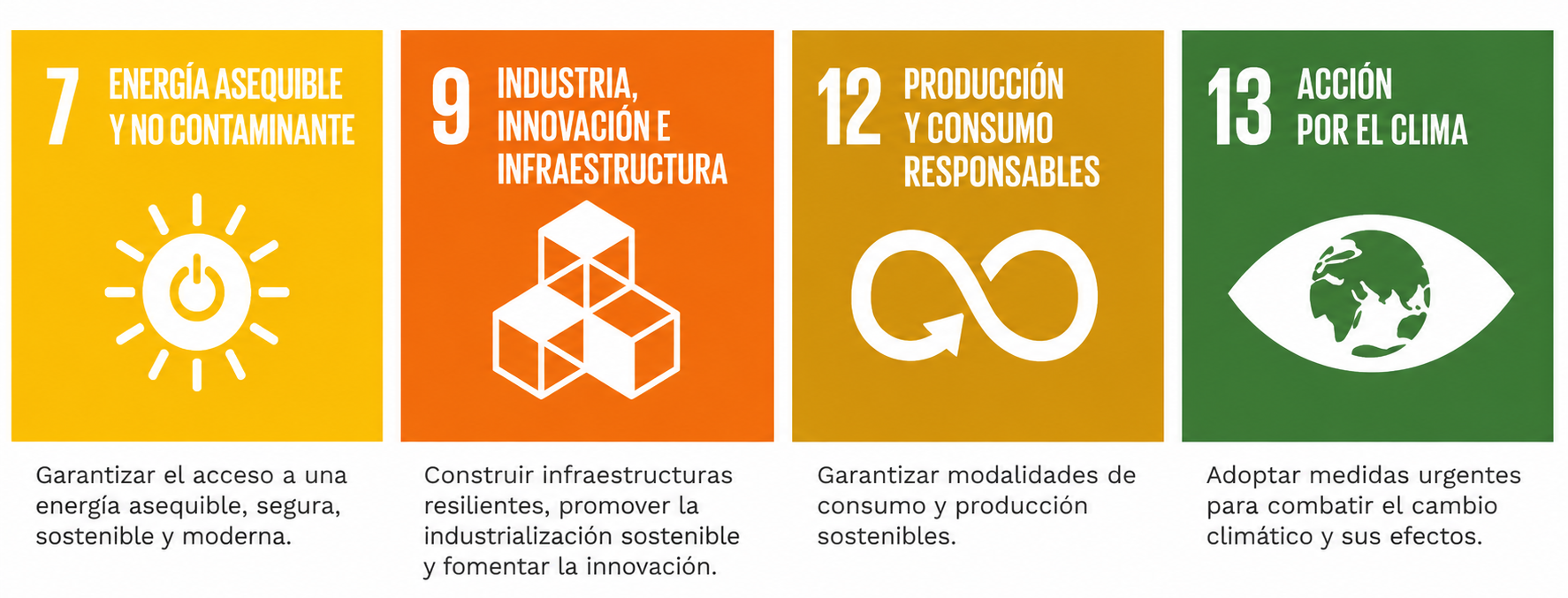
The Green Module contributes directly to meeting several United Nations Sustainable Development Goals (SDGs):
- SDG 7 (Affordable and Clean Energy): significantly increases the use of renewable sources and reduces reliance on fossil fuels, optimizing the cost-effectiveness of self-consumption.
- SDG 9 (Industry, Innovation, and Infrastructure): incorporates advanced digitalization, automation, and smart control tools into the agri-food industry.
- SDG 12 (Responsible Consumption and Production): promotes the efficient use of energy resources, prevents the inefficient discharge of surplus solar energy into the grid, and contributes to reducing post-harvest losses.
- SDG 13 (Climate Action): lowers electricity demand from the grid and associated greenhouse gas emissions, helping companies reduce their carbon footprint.
Overall, the Green Module represents an innovative solution—born from Ilerfred’s expertise—that combines digitalization, renewable energy, and industrial refrigeration. By transforming the stored product itself into a thermal storage system, it stands as a sustainable and economically viable alternative for maximizing the use of photovoltaic energy, driving the transition toward an agri-food industry that is more efficient, competitive, and aligned with the SDGs.
News of Ilerfred