
Interko
Cooling and CA
Driving sustainability through smarter fruit ripening
Interko is advancing more sustainable fruit ripening through energy-efficient technologies, digital solutions and retrofitting. Its innovations can reduce energy consumption by up to 72%, improve fruit quality and help minimise avoidable food waste
At Interko, sustainability is an important driver behind the way the company develops its technologies and services. By focusing on energy efficiency, better fruit quality and smarter ripening processes, Interko helps its customers reduce operating costs while also supporting more sustainable fruit supply chains.
A key question throughout Interko’s innovation journey has been: how can fruit be ripened more energy efficiently while maintaining quality and reducing food waste? The company’s developments over the years show how it continues to address this challenge.
Technologies that optimise airflow and reduce energy consumption
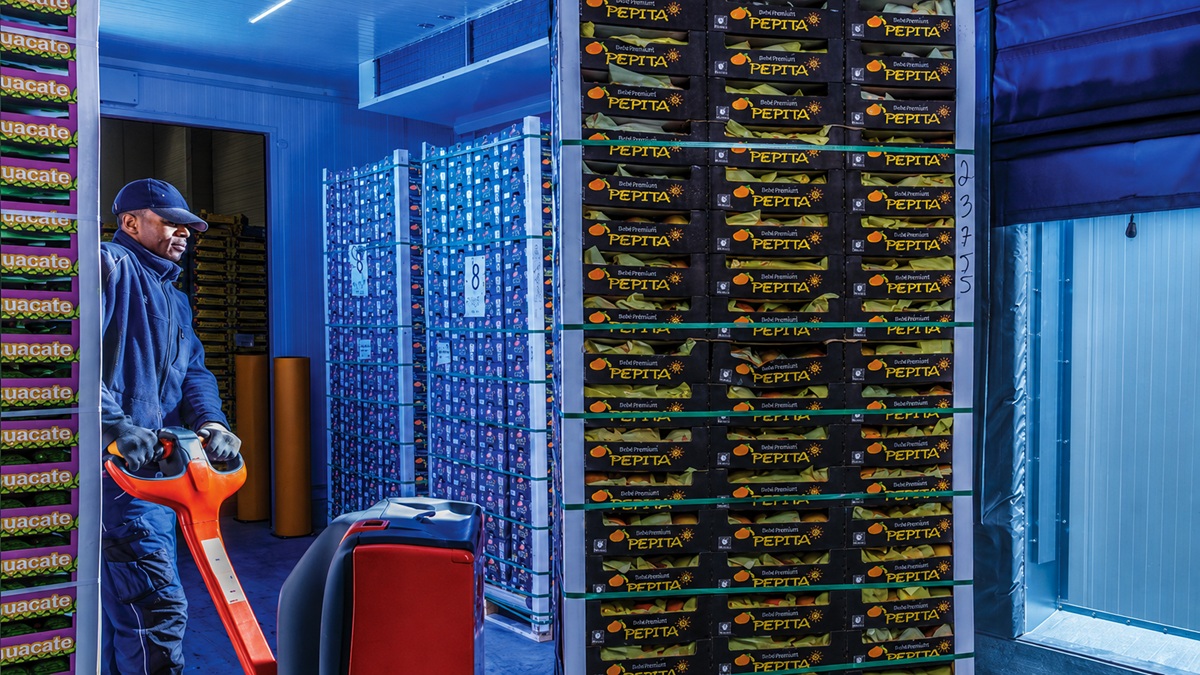
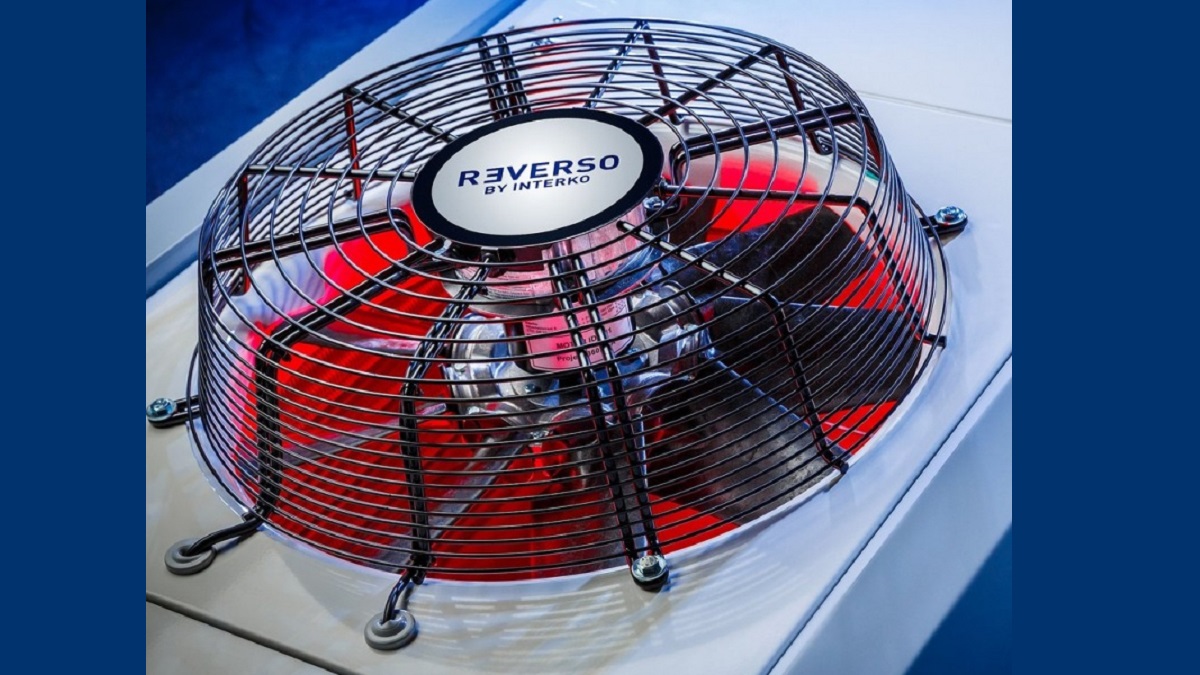
In 2016, for example, Interko introduced the REVERSO fan. By reversing the airflow during the ripening process, the technology helps achieve more uniform ripening and consistent fruit quality. At the same time, it can deliver energy savings of up to 65%.
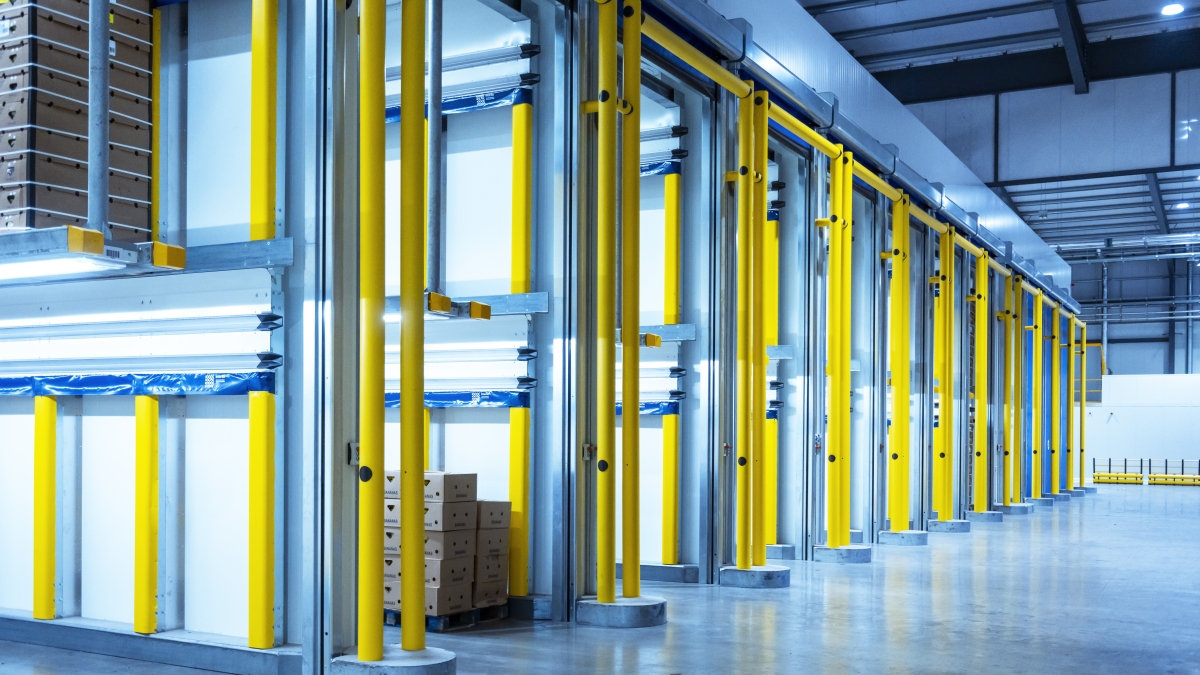
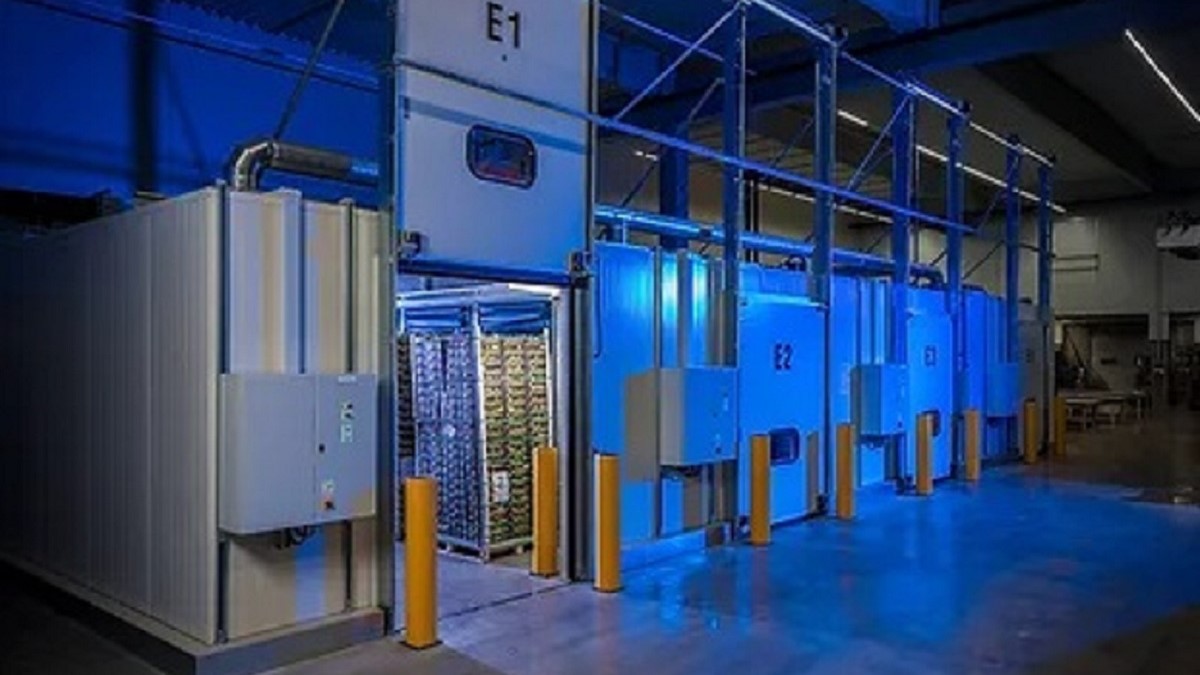
In 2022, Interko introduced the Fourth (FTH) Model of equal airflow ripening rooms. This design can reduce energy consumption by up to 72%, helping operators achieve the required ripening conditions with significantly less energy.
Digitalisation for more efficient and precise ripening
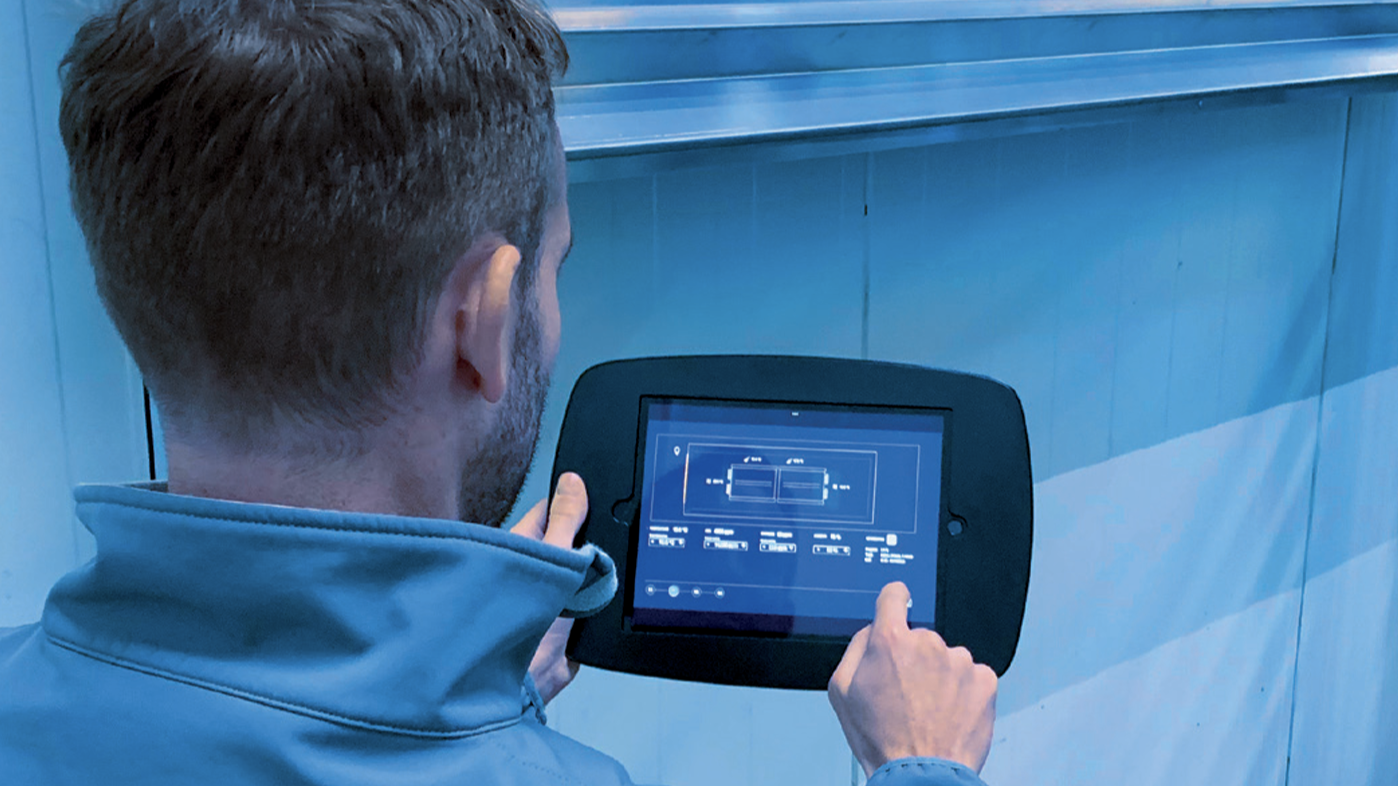
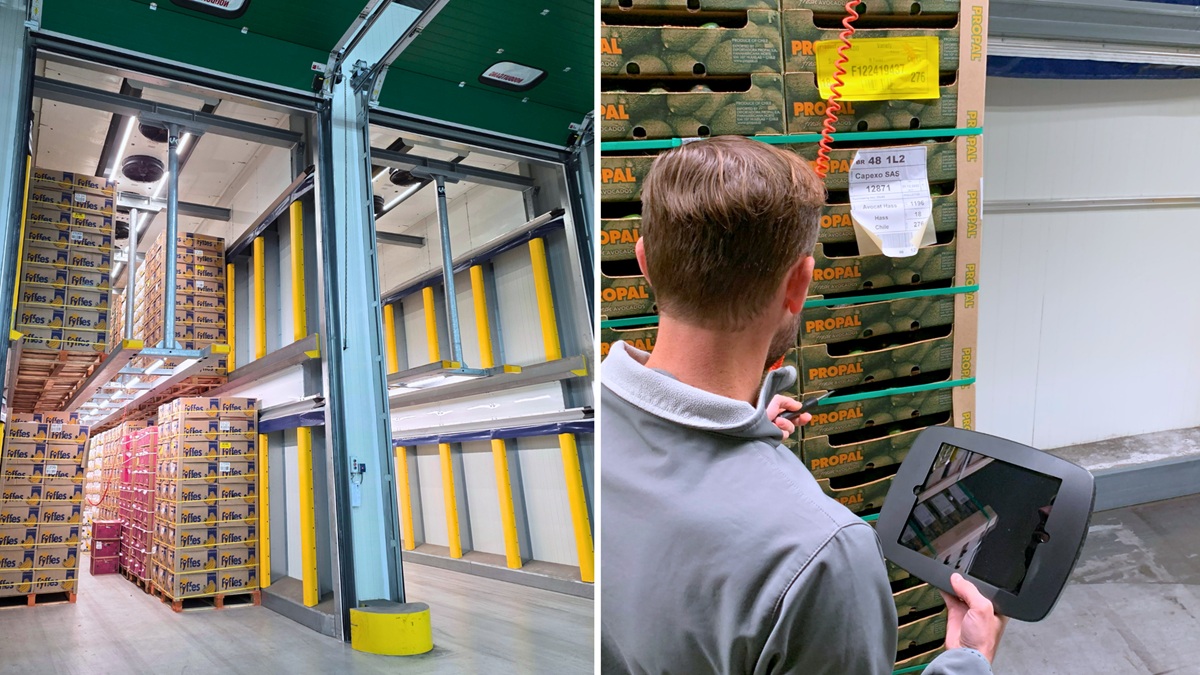
RipePilot also demonstrates how digitalisation can contribute to more sustainable operations. The system allows operators to work with fruit-specific ripening programmes for bananas, avocados and mangoes. By combining sensor information, algorithms and performance data, RipePilot helps operators respond to variations in the fruit entering the ripening room and achieve more consistent results.
The system provides operators with greater insight into the ripening process, while helping them monitor quality, track performance and generate reports for further analysis. This data-driven approach can support more precise control of ripening operations and help customers respond more quickly to changing conditions and market requirements.
Ultimately, more consistent ripening can contribute to reducing avoidable food waste by helping ensure that fruit reaches the desired quality and ripeness.
Improving existing ripening infrastructure
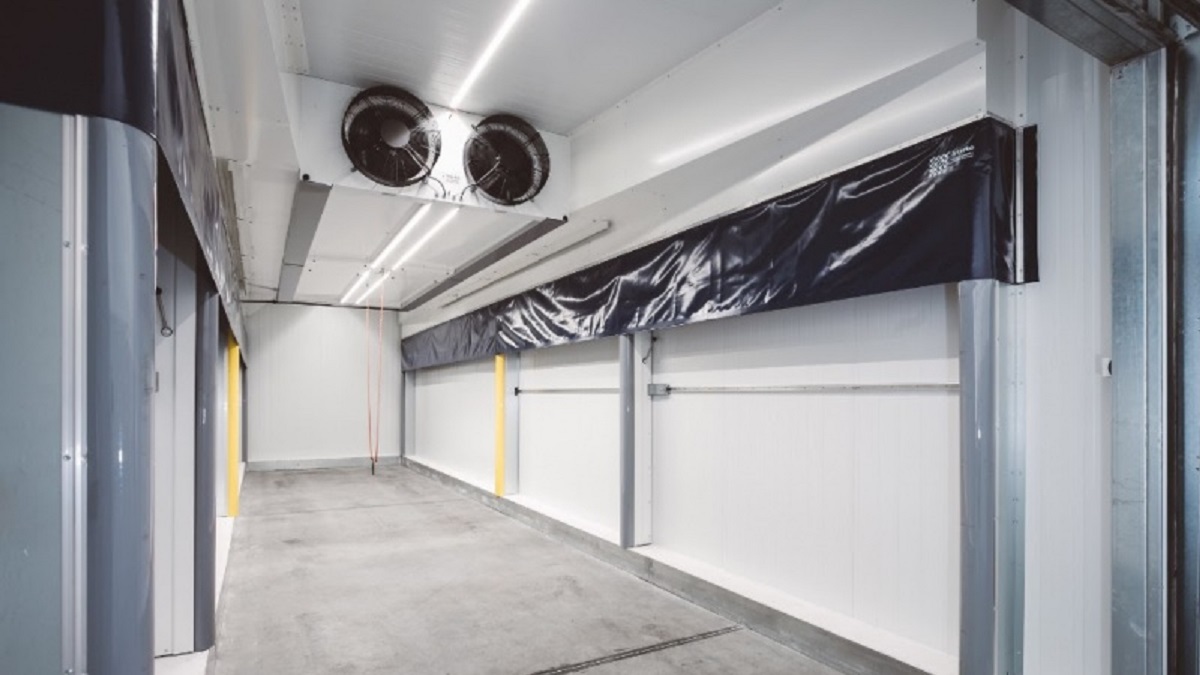
Sustainability is not only about developing new technology. Interko also looks at how existing ripening rooms can be improved. Through retrofitting, the company can upgrade existing installations to make them more energy efficient without replacing the entire room.
In projects in Germany and England, for example, customers have achieved the same performance while saving over 40% on energy after retrofitting.
This approach combines lower energy consumption with lower running costs and improved operational performance. It also extends the useful life of existing infrastructure, supporting a more resource-efficient approach to ripening technology.
Interko moves towards smarter and more sustainable ripening
For Interko, innovation and sustainability therefore go hand in hand. By continuously improving its products, services and digital solutions, the company aims to help customers operate more efficiently, reduce waste and maintain consistent fruit quality.
Interko’s innovation journey is far from over. The company will soon introduce its latest development, continuing its focus on smarter and more sustainable ripening solutions. Follow Interko on LinkedIn for the latest updates.
News of Interko