
Kelvin Solutions
Cooling and CA
Cold store mapping ensures safety and compliance in refrigerated storage
Temperature mapping identifies thermal variations inside cold rooms and verifies uniform storage conditions ensuring product quality and regulatory compliance throughout the cold chain
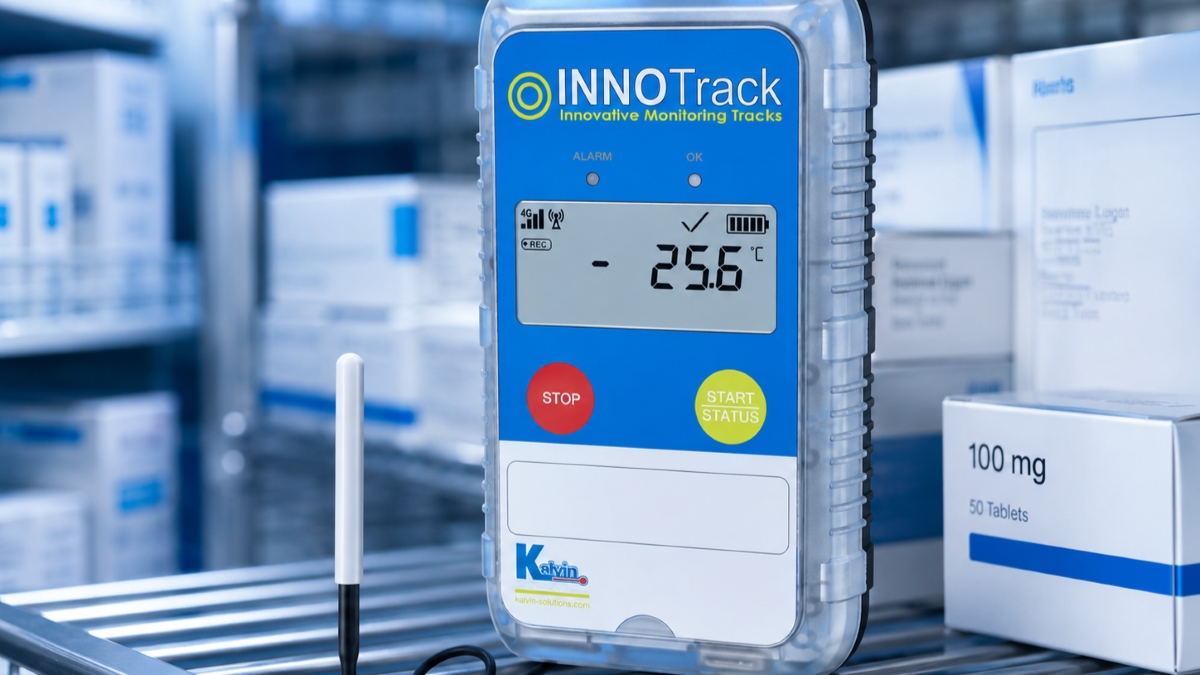
Temperature mapping as a key element of the cold chain
Ensuring that cold rooms maintain uniform temperatures throughout the storage area is essential for preserving the quality and safety of temperature-sensitive products. Temperature mapping has become a fundamental tool for identifying thermal variations and verifying that storage conditions comply with operational and regulatory requirements.
The process helps detect hot and cold spots that may compromise food, pharmaceutical or other sensitive products, allowing corrective actions before quality issues occur.
A regulatory requirement in many industries
According to Kelvin Solutions, temperature mapping is not only a best practice but also a mandatory validation procedure in many regulated sectors. It should be performed after installation, equipment modifications, structural changes or whenever storage conditions are significantly altered.
Documented mapping also facilitates audits and demonstrates compliance with food safety, pharmaceutical and cold chain regulations.
How to perform effective temperature mapping
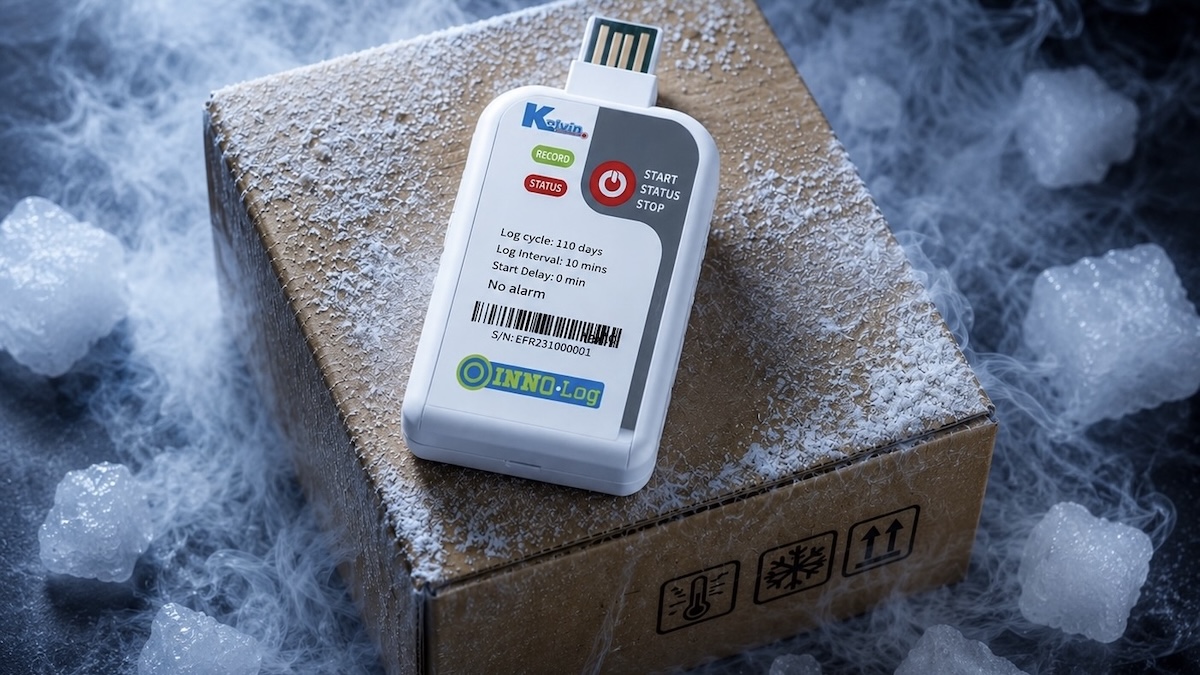
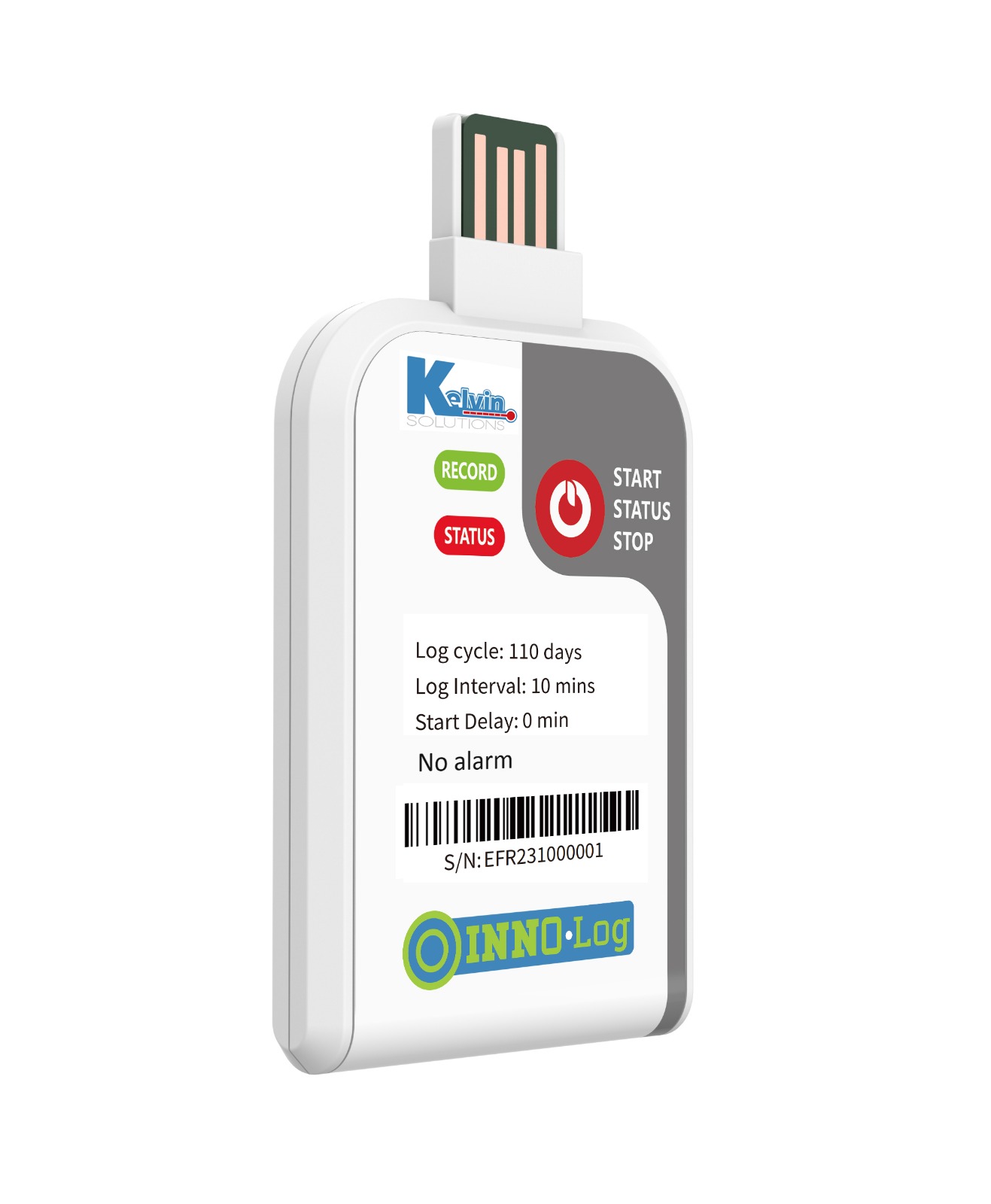
The procedure involves placing temperature data loggers at strategic locations throughout the cold room to record thermal behaviour over a defined period. The collected information is then analysed to identify stable areas and potential temperature deviations.
Sensors should be positioned near doors, corners, evaporators and at different storage heights where temperature fluctuations are most likely to occur. This information helps optimize product placement and refrigeration system performance.
Reducing risks throughout the cold chain
Regular temperature mapping minimizes losses caused by cold chain failures, improves traceability and supports regulatory compliance. It also extends product shelf life while helping identify opportunities to improve refrigeration efficiency.
For food, horticultural, pharmaceutical and logistics industries, temperature mapping has become an essential quality assurance tool throughout storage and distribution
More information at kelvin solutions
News of Kelvin Solutions
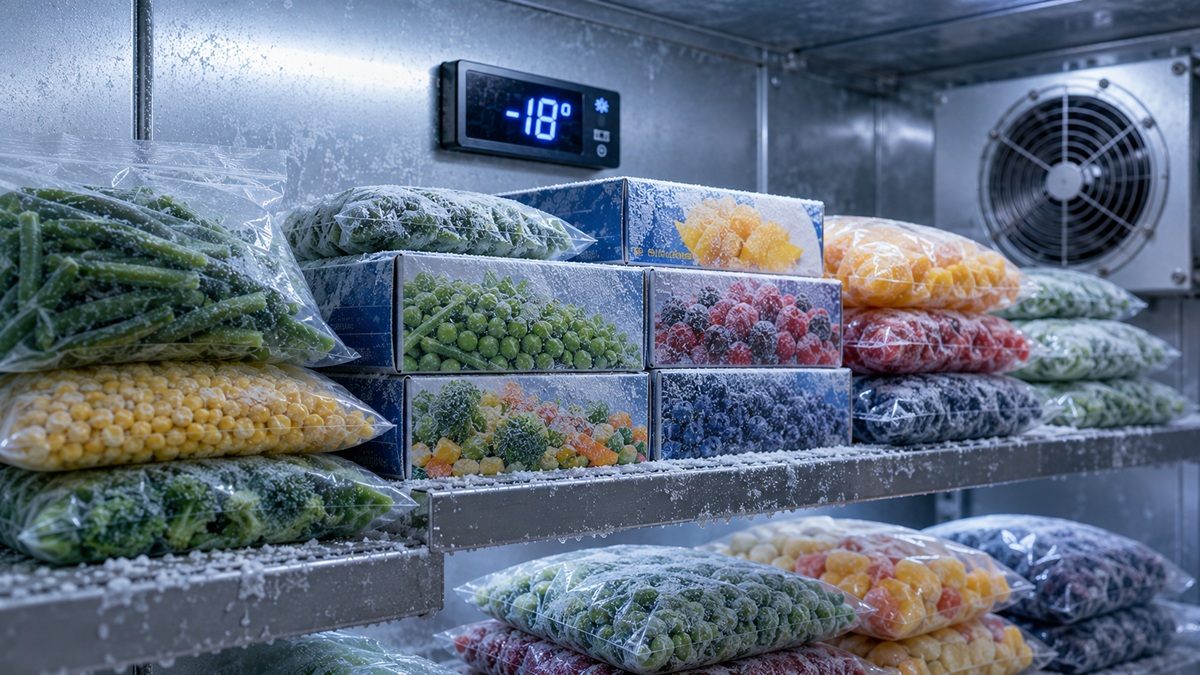
How to prevent cold chain breaks in frozen fruit and vegetables