News
Low-voltage electrostatic field as a postharvest strategy to control black spot in apricot
This study evaluates electrostatic fields to control diseases in apricot fruit. It reduces black spot incidence and improves fruit quality. The treatment modulates genes, metabolism, and key physiological processes. It also affects epigenetic mechanisms linked to resistance
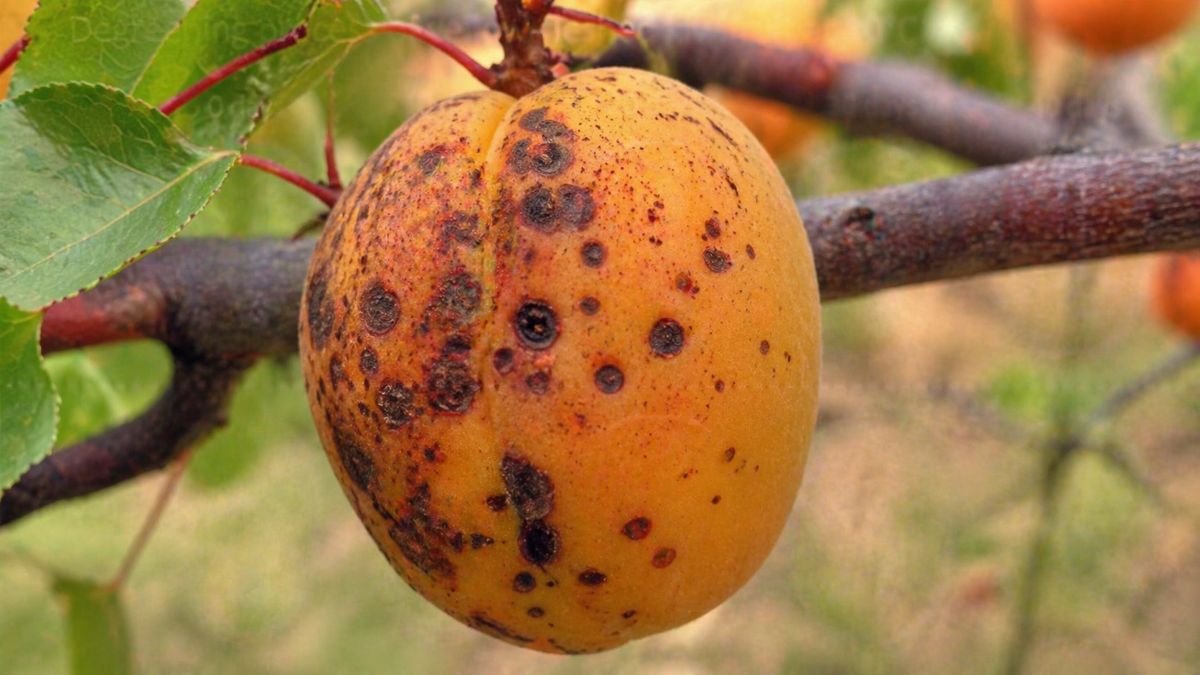
Apricot fruits are highly susceptible to Alternaria alternata infection after harvest, leading to black spot disease and significant quality deterioration.
This study investigated the effects of a low-voltage electrostatic field (LVEF) as a postharvest treatment to control this disease. Inoculated fruits were stored at 25 ± 1 °C and 80–85% relative humidity under an electric field strength of 1.5 kV.
Various parameters were evaluated, including fruit appearance, physiological traits, metabolomic profiles, gene expression, and DNA methylation patterns.
Compared to the control group, apricots treated with LVEF for 6 days showed a 29.31% reduction in lesion diameter and a 43.31% decrease in disease incidence.
Additionally, the treatment delayed internal quality loss, maintaining higher levels of soluble solids and titratable acidity, which were 1.66% and 9.55% higher than in untreated fruit.
Metabolomic analysis revealed significant increases in amino acids such as L-phenylalanine, L-tryptophan, L-tyrosine, and isoleucine, indicating activation of defense-related metabolic pathways.
At the molecular level, LVEF suppressed the expression of ethylene biosynthesis genes (ACO, ACS) while enhancing genes related to jasmonic acid synthesis (LOX, AOS) and disease resistance (CPK, WRKY1).
Epigenetic analysis showed hypomethylation in promoter regions of ethylene-related genes and in regions linked to defense genes such as CDK1, suggesting a key role of epigenetic regulation.
Overall, the findings indicate that LVEF treatment enhances apricot resistance to black spot disease and preserves postharvest quality through metabolic, genetic, and epigenetic regulation.
Source
Liu, Y., Zheng, Y., Ma, L., Bai, C., Liu, X., Ren, Y., Feng, X., Li, T., Chen, H., Gao, Z., Zuo, J., & Wang, Y. (2026). The effect of low-voltage electrostatic field on postharvest black spot disease and quality of apricot fruit. Postharvest Biology and Technology.
https://www.sciencedirect.com/science/article/abs/pii/S0925521426002048