
Paclife
Packaging
Varietal renewal raises the bar for Chilean blueberries
The Chilean industry is entering a new season with changes in the composition of its supply and increased attention to firmness and arrival condition. Protecting the fruit during packing, cooling and transportation will be essential to meeting international market requirements

Chile is approaching the 2026-2027 season with expectations of growth in fresh blueberry exports, although forecasts have been revised since the initial estimate. According to the latest update from the Blueberry Committee of Frutas de Chile, prepared by iQonsulting, shipments are expected to reach 94,071 tonnes, approximately 1% more than in the previous season.
One of the most significant changes is the expansion of replacement varieties, which are expected to account for 29,561 tonnes, 36% more than in the previous season. This represents around 31% of projected fresh exports, while traditional varieties continue to lose market share.
Varietal renewal reflects the industry's search for fruit with improved firmness, flavour and storage performance, capable of maintaining its quality during international transportation and reaching consumers in good condition.
Logistics and preservation take on greater importance
Changes in the composition of supply also place new demands on the postharvest chain. Handling, packaging, cooling and transportation must be coordinated to preserve blueberry quality and minimise deterioration during distribution.
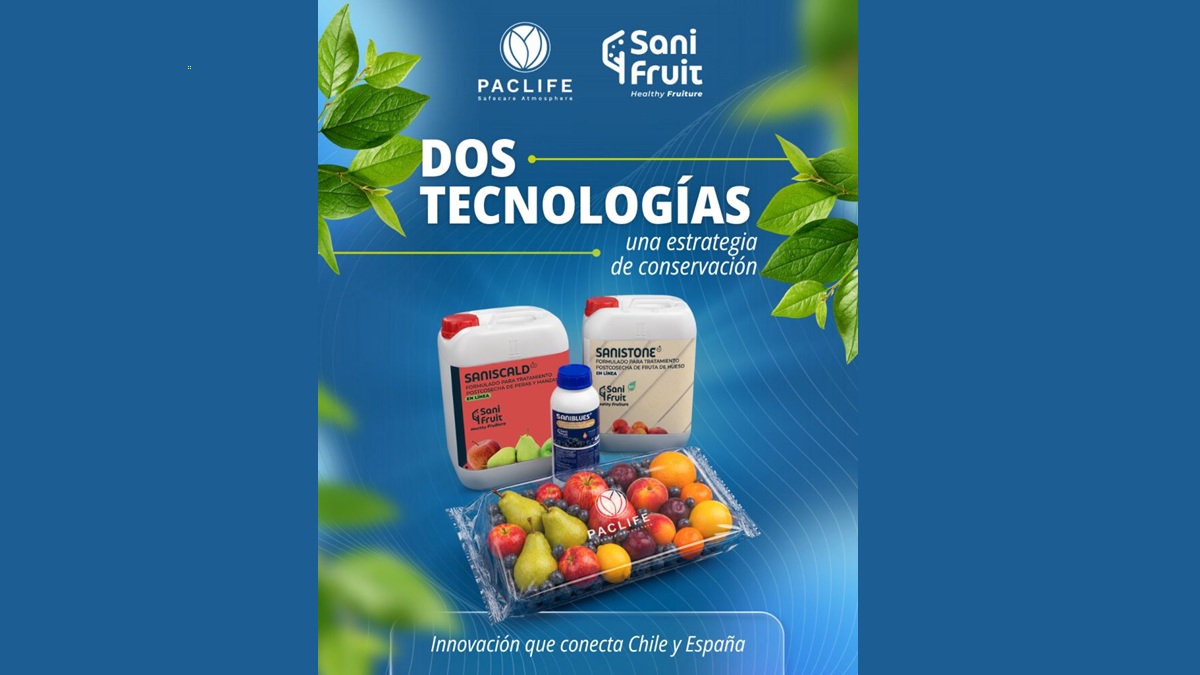
In this context, PACLIFE highlighted on LinkedIn the role of packaging and postharvest preservation solutions in protecting fruit value and supporting the competitiveness of Chilean exports. The company links varietal development to the need for greater attention to quality and logistical efficiency.
Europe strengthens its position as a destination
The commercial outlook is also shaped by developments in the main export markets. Europe has consolidated its position as an important destination for Chilean blueberries, while exporters continue to monitor market access conditions and international competition.
A significant proportion of the season's shipments is expected between late November and mid-January. During this period, maintaining quality from harvest through to arrival at destination will be particularly important in making the most of commercial opportunities.
The sector's development shows that export growth depends on more than production volumes. Variety selection, product consistency and effective postharvest management are becoming increasingly important to maintaining Chilean blueberries' presence in international markets.


Paclife