News
Phytohormonal control and postharvest quality in litchi with crosstalk and future challenges
This text explores phytohormonal regulation in litchi development, ripening, and postharvest quality. It highlights hormonal crosstalk and its role in stress and fruit preservation. It also outlines key research gaps and future challenges
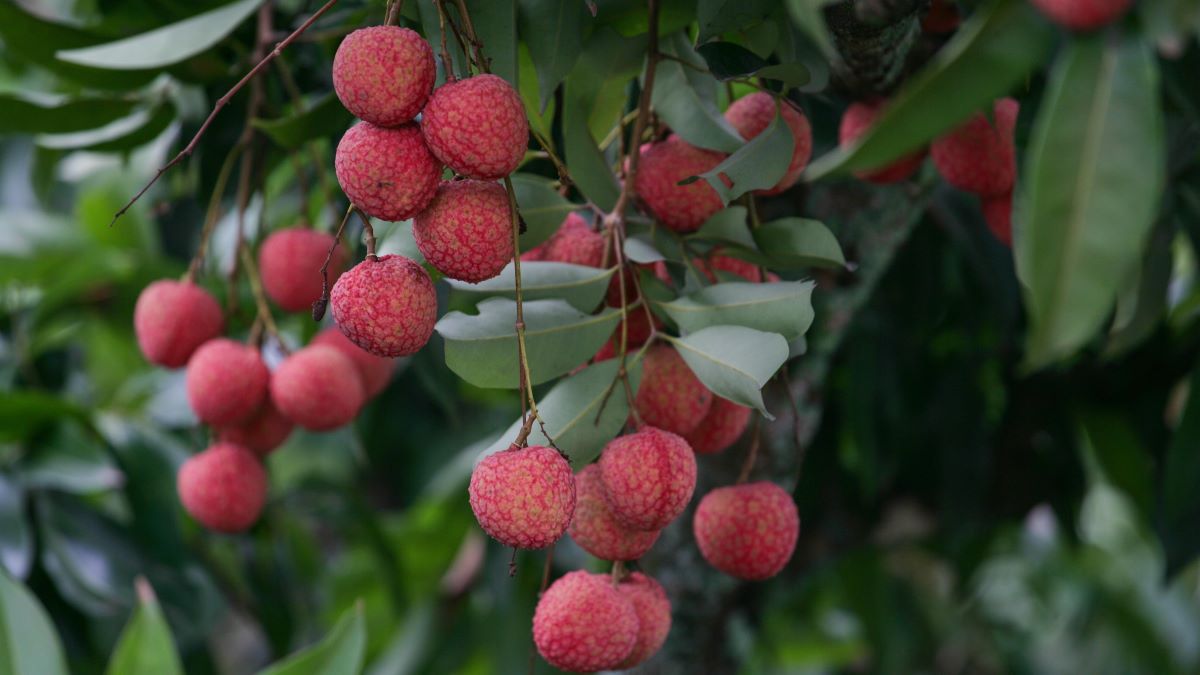
Litchi (Litchi chinensis Sonn.) is a commercially important non-climacteric fruit crop whose development, maturation, abscission, and postharvest quality are regulated by a complex network of phytohormones. Unlike climacteric fruits, litchi ripening is mainly controlled by abscisic acid (ABA) and sugar signaling, while ethylene plays a key role in fruit abscission, senescence, and postharvest degradation.
This work summarizes current knowledge on the role of major hormones in litchi physiology, including ethylene, ABA, jasmonates, brassinosteroids, and salicylic acid. Ethylene regulates abscission by activating cell wall-degrading enzymes and promotes pericarp browning and senescence during storage. In contrast, ABA acts as a key regulator of fruit maturity, enhancing anthocyanin accumulation, sugar transport, and the onset of ripening.
Recent research highlights the importance of hormonal crosstalk, including auxin–ethylene antagonism, ABA–sugar synergy, and ABA–ethylene interactions, in influencing fruit retention, ripening, and stress responses. Jasmonates, brassinosteroids, and salicylic acid contribute to stress tolerance, defense mechanisms, and postharvest quality.
Despite these advances, important research gaps remain. The molecular basis of hormone signaling and crosstalk is still poorly understood, particularly regarding gene regulatory networks and functional validation. Limited integration of multi-omics approaches constrains our understanding of ripening and stress physiology. Additionally, minor hormones are understudied, and hormonal regulation during postharvest stages—especially mechanisms behind pericarp browning—requires further investigation. There is also a lack of standardized, cultivar-specific protocols for plant growth regulators (PGRs), as well as insufficient knowledge about genotype-specific responses and climate change impacts on hormonal balance. Bridging laboratory findings with field applications remains a key challenge.
Future research integrating advanced multi-omics technologies, precise hormonal control, and climate-resilient strategies will be essential to improve productivity, fruit quality, and the sustainability of litchi production.
Source
Pathak, G. (n.d.).
Phytohormonal control and crosstalk in litchi fruit development, ripening, abscission and quality regulation. HAL Science.
Related news