Phytosanitaries
Natural technique extends shelf life of pre-washed vegetables
A plant immune activation method reduces spoilage and improves food quality without chemical treatments
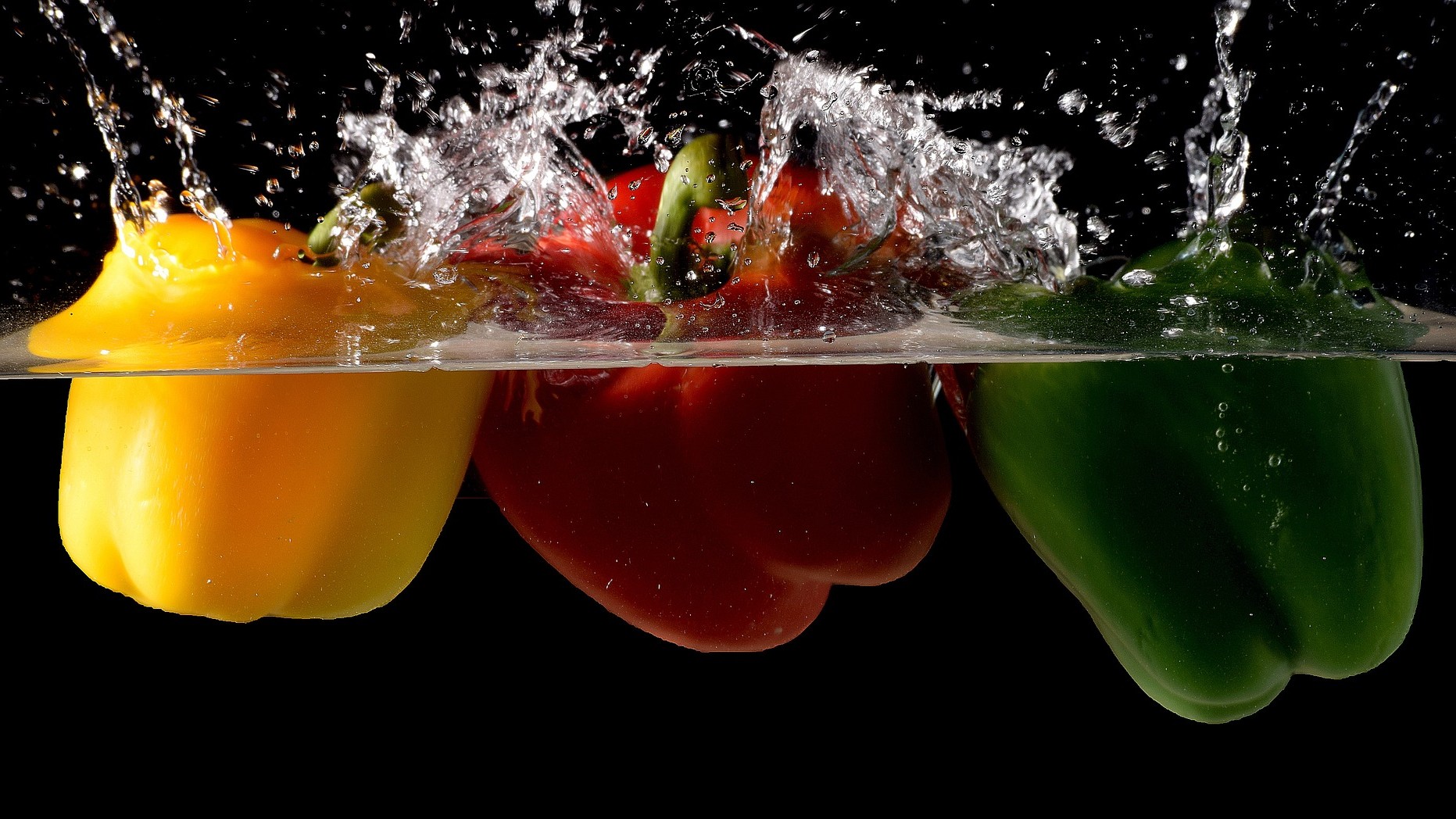
The demand for pre-washed vegetables has grown rapidly in recent years, driven by faster lifestyles and increased consumer focus on health and convenience. Products that are ready to cook or eat have become a staple in many households. However, this convenience comes with a trade-off: the washing process removes the natural protective layer of fruits and vegetables, leaving them more exposed to physical damage and microbial contamination. As a result, spoilage rates increase and shelf life is reduced.
Strengthening the plant instead of fighting the pathogen
In response to this issue, researchers have explored a different preservation strategy that moves away from traditional chemical treatments. Instead of directly targeting pathogens, the new approach focuses on enhancing the plant’s own immune system. By applying specific proteins during the washing process, the treatment activates natural defense mechanisms within sweetpotatoes, allowing them to better resist infections during storage.
Lower spoilage and better preservation outcomes
The results of the study show a significant improvement in postharvest preservation. Under experimental conditions, the decay rate of treated sweetpotatoes dropped from around 50% to approximately 20% after 24 days of storage. In addition, the spread of lesions caused by pathogens was effectively slowed down. This indicates that activating internal defense responses can be as effective as, or even more effective than, conventional methods based on chemical control.
Improved nutritional and functional quality
Beyond reducing spoilage, the treatment also had a positive impact on the overall quality of the product. Treated samples showed increased antioxidant activity, along with higher levels of beneficial compounds such as polyphenols and flavonoids. These compounds are associated with both improved plant resistance and enhanced nutritional value, suggesting that the method not only preserves the product for longer but also helps maintain its quality.
A step toward safer and more sustainable food systems
The findings point toward a promising alternative for postharvest management in the agri-food sector. By reducing reliance on chemical fungicides and leveraging natural biological processes, this technique aligns with current efforts to develop more sustainable and environmentally friendly food preservation systems. As the market for pre-washed vegetables continues to expand, such innovations could play a key role in improving both food safety and product longevity.
Sources:
Mingyi Yang, Xinyu Cao, Guoquan Lu, Yanhua Lu, Ximing Xu, Yuge Guan, Jiyu Cheng, Xinghua Lu, Linjiang Pang, Postharvest black spot disease prevention technology for pre-washed sweetpotatoes based on the host immune elicitation, Postharvest Biology and Technology, Volume 239, 2026, 114374, ISSN 0925-5214, https://doi.org/10.1016/j.postharvbio.2026.114374
Image: Pixabay, https://pixabay.com/es/photos/pimiento-pimienta-pimienta-dulce-5533343/
Related news