Processing
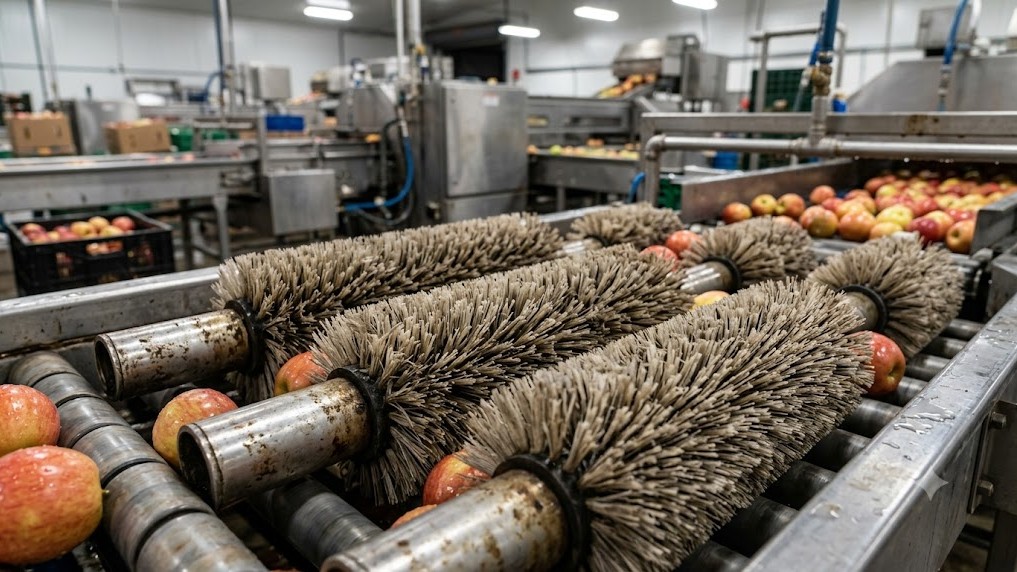
Antimicrobial light for advanced brush sanitation in packinghouses
A University of Georgia project studies far-UVC and blue light to reduce pathogens on packinghouse brushes without chemicals showing promising food safety results
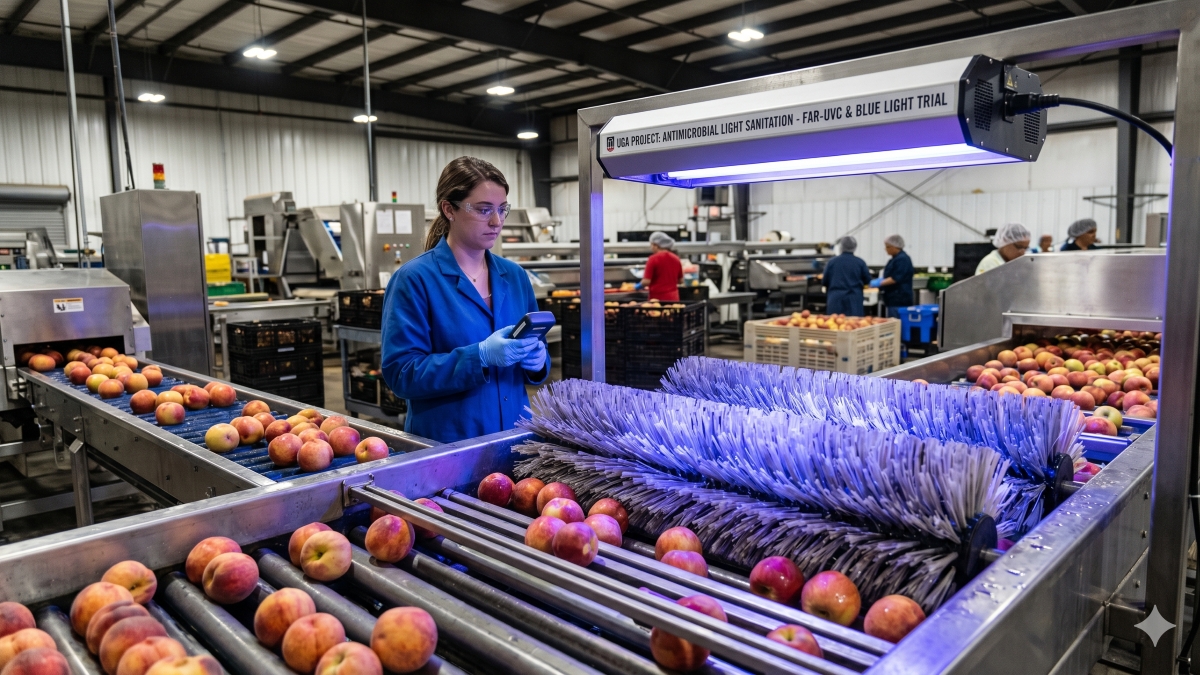
A University of Georgia project is studying the combined use of far-UVC (222 nm) and blue light (405 nm) as an innovative method for sanitizing packinghouse brushes.
The goal is to reduce pathogens such as Salmonella enterica, STEC E. coli and Listeria monocytogenes using a chemical-free technology.
Researchers indicate that this light, applied after standard cleaning while brushes are still wet, could act as a second antimicrobial hurdle.
The system is also considered safe for humans and less damaging to materials compared to conventional UV treatments.
The study also evaluates how brush material, color and exposure time affect treatment efficacy.
Next steps include trials in commercial peach and apple packinghouses during the summer season.
Information from the Center for Produce Safety bulletin