Processing
Postharvest handling affects glycoalkaloid levels in potatoes and crisps
A European study confirms that light exposure increases toxic glycoalkaloids in potatoes and reduces the effectiveness of food processing to eliminate them highlighting the importance of postharvest handling and raw material selection
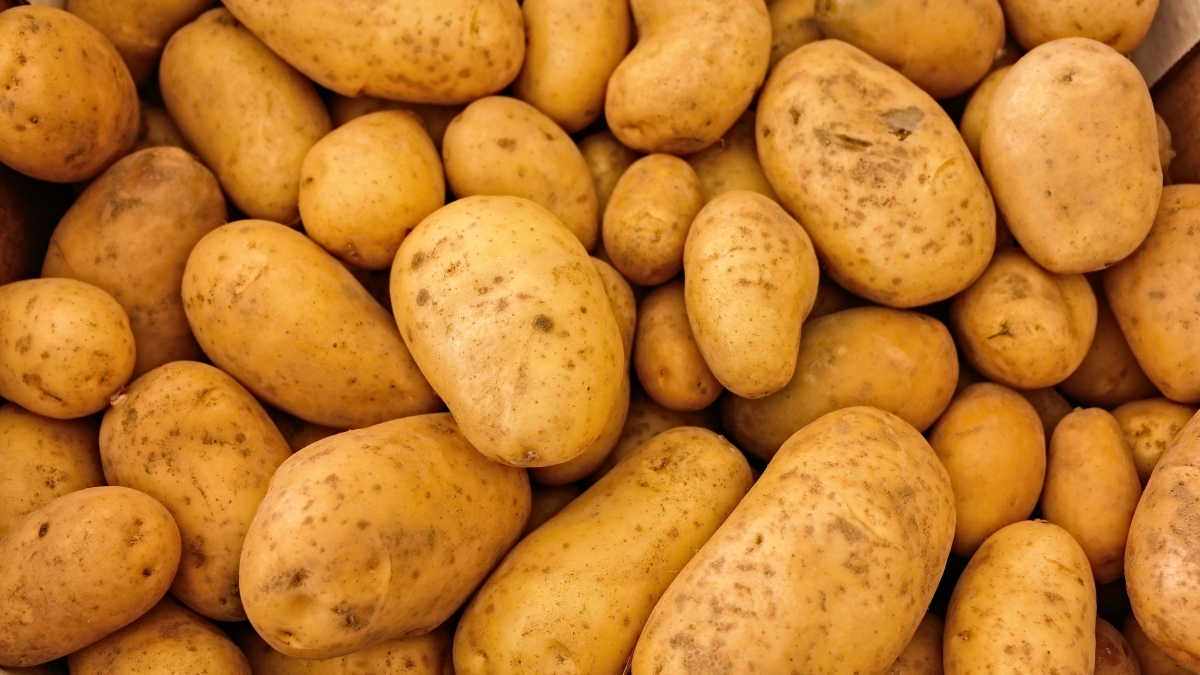
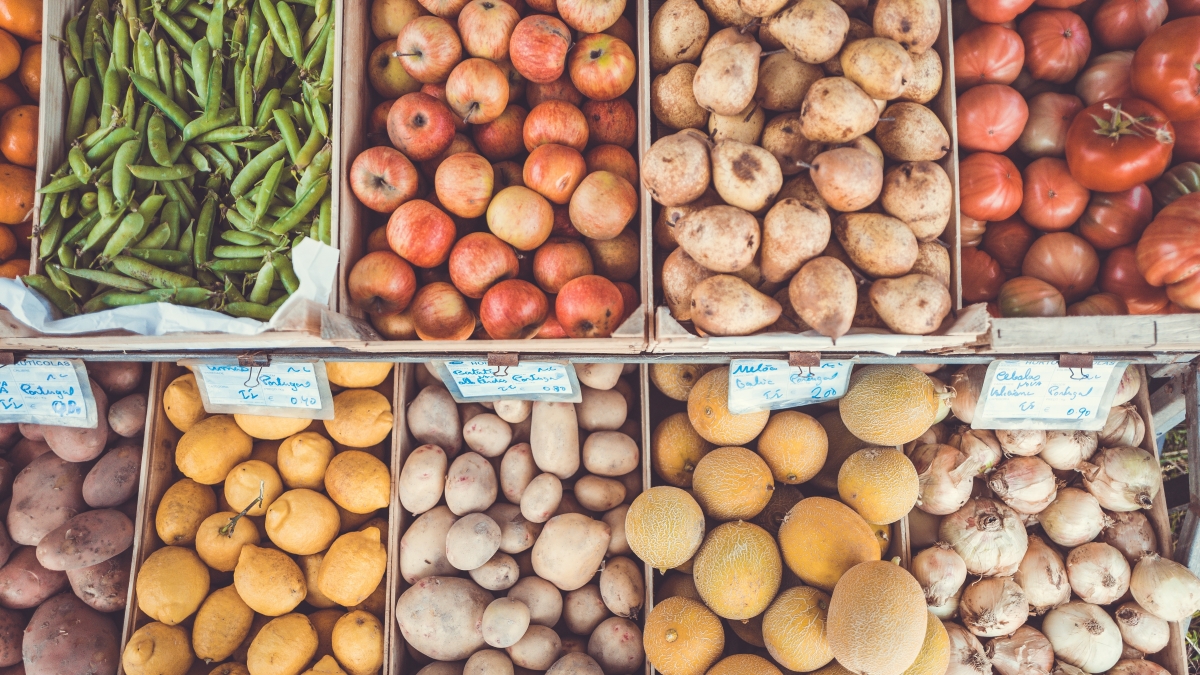
A scientific study examined how postharvest storage and handling conditions affect glycoalkaloid (GA) levels in potatoes and processed products such as potato crisps. Glycoalkaloids are naturally occurring compounds in potatoes that can cause acute intoxication when consumed in excessive amounts.
Researchers evaluated ten potato cultivars commonly used by the European food industry under different stress conditions, including light exposure, mechanical damage, and elevated temperatures. The findings revealed significant differences among cultivars, although light exposure had the strongest impact, increasing glycoalkaloid levels by an average of 83%.
The potatoes were then processed into crisps under standardized industrial conditions to assess how food processing influences GA concentrations. The study confirmed that processing substantially reduces glycoalkaloid content, with reductions ranging from 62% to 87% compared to the original raw material.
However, samples previously exposed to light showed the lowest reduction during processing, demonstrating that the initial condition of the raw material directly affects final food safety. Researchers recommend avoiding stress factors during storage and removing green or light-exposed potatoes to minimize health risks in processed products.
Source
Meyers, C., Mittau, K., Stahl, K., Knoblauch, M., Wulf, B., Meyer, A., Rohn, S., Schmidt, M., & Smit, I. (2026). Glycoalkaloids in potatoes and potato crisps: The role of postharvest stress and food processing. Food Control.
Related news

AgroFresh strengthens technical leadership in Italy’s table grape Sector through AgroFresh Xperience Roadshow