News
The 8th Postharvest Pathology Symposium seeks sustainable control alternatives across field and storage stages
Researchers and industry experts gather to analyze biocontrol agents, natural compounds, and digital tools aimed at minimizing chemical dependency and reducing commercial food waste
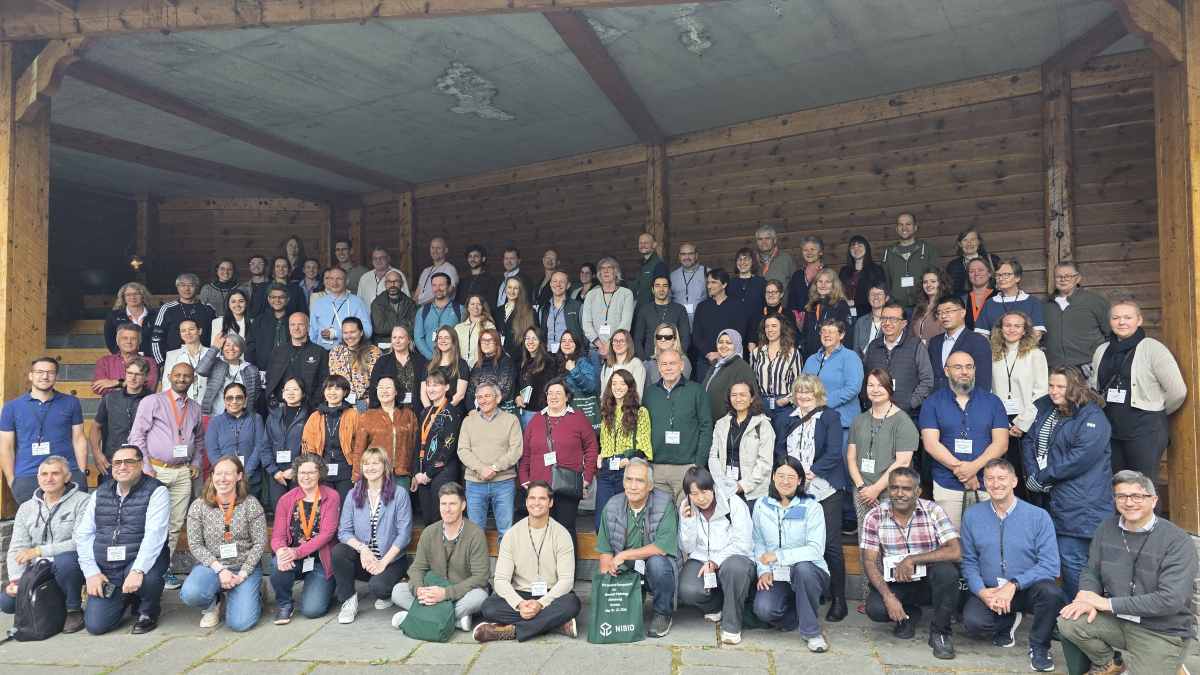

The 8th Postharvest Pathology Symposium took place in Norway from May 18 to 22, 2026. It was organized by NIBIO, the Norwegian Institute for Bioeconomy Research, under the auspices of the ISHS, the International Society for Horticultural Sciences.
The meeting featured 130 participants, 59 oral presentations, and 24 posters. The topics ranged from basic research aspects such as microbiome management, fungal pathogen identification, the use of essential oils and beneficial fungi, molecular mechanisms, and mycotoxins, to the management of postharvest diseases, especially in apples. This included field practices as an increasingly important tool given the reduction in postharvest control methods, the combination of postharvest technologies as another alternative approach to traditional postharvest fungicides, sensors for pathogen identification, and storage conditions...
The book of abstracts of the presented works is accessible at THIS link.
The venue
The meeting was held in Lofthus, on the shores of the Hardanger Fjord, the second largest in Norway, along which there are areas where apples, pears, and cherries are grown.
This is one of the two main apple-growing regions in Norway, which totals around 1,500 hectares for this species; the pear acreage is half of that, and cherry acreage is about 400 hectares. Apple cultivation is experiencing a boom, which is evidenced by numerous young plantations.
Very nearby is one of NIBIO's experimental stations, Ullensvang, which organized the meeting. This is the 3rd international event organized by this center, with Jorunn Borve, Emily Follett, and Catherine Lill Broch making up the Organizing Committee, whose dedication and warmth toward the participants were unanimously recognized.
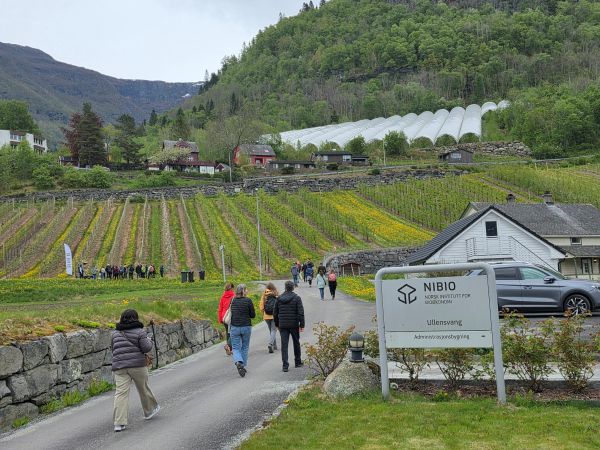
View of NIBIO's Lofthus experimental station, with apple trees in the background
Other ISHS symposia organized by this center were on cherries in 1997 and plums in 2005.
NIBIO, the Norwegian Institute for Bioeconomy Research, has experimental stations throughout Norway, and the one in Lofthus operates with four divisions. One of them is in charge of preservation and another handles cider production based on apple waste, an important industry for which the Experimental Station's technicians created an aromatic diagram inspired by enology. Separate divisions at the center deal with cultivation and genetic breeding.
NIBIO Ullensvang, NIBIO's fruit tree research center, originally started as an experimental station created by fruit growers more than 75 years ago.
Jorunn Borve explains in the preface of the abstract book that both storage research and plant pathology have a long history at the station, located in the center of one of Norway's most important fruit-growing districts. However, postharvest pathology does not constitute a major part of Norwegian research in general.
Domestic production of agricultural products is limited, even more so for stored products, and the import of the latter is high. For example, only 15% of the apples consumed annually are produced in Norway, and nearly 90% of Norwegian apples are consumed within the eight weeks following harvest.
However, more than 90% of the carrots consumed in Norway are locally produced and stored year-round, facing significant losses that were discussed during the meeting.
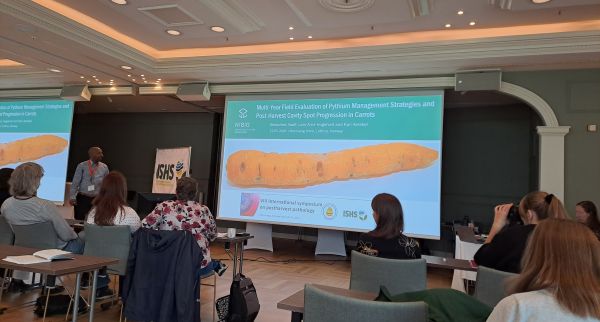
Belachew Asalf Tadess, NIBIO (pictured), explained carrot health issues in Norway, and Merete Edelenbos, Aarhus University, Denmark
Norway's climatic conditions favor many common storage diseases, as frequent rains can occur close to harvest. Therefore, postharvest pathology deserves greater attention in Norwegian horticulture, Jorunn continues to indicate.
The scientist also draws attention to the fact that several colleagues were unable to attend due to the global situation that emerged in recent months, expressing her hope that these situations will be resolved by the next symposium. Among many other aspects, it represents a loss for knowledge transfer and an impoverishment of the postharvest community.
The topics
Regarding basic research, omics technologies allow continuous progress in discovering the phenomena underlying the behavior of fruits, vegetables, and their pathogens. These advances have the potential to form the basis for future applications and had their dedicated space at the symposium, both in the form of presentations and posters.
Concern over the decline of phytosanitary products available for postharvest treatment is a constant; supermarkets continue to demand high visual quality, and the tools to achieve "perfect" fruit are increasingly limited. The efficiency percentages in disease reduction achieved through alternative methods do not reach those obtainedor previously obtainedwith postharvest plant protection products.
This leads to exploring solutions based on physical methods (thermotherapy, UV light, radiation), natural chemicals (mainly essential oils), or biological methods. Some of the physical methods seem to hold the most potential, such as thermotherapy; others like UV light require proper dose adjustment to achieve the desired goal without affecting product quality.
Cheryl Lennox, Stellenbosch University, summarizes the effectiveness of new options like essential oils, plant extracts, biological control, etc., explaining that they should be viewed not as alternatives but as complements.
Neus Teixidó, IRTA, proposes combining these options with others, such as edible coatings, which simultaneously protect against physiological issues.
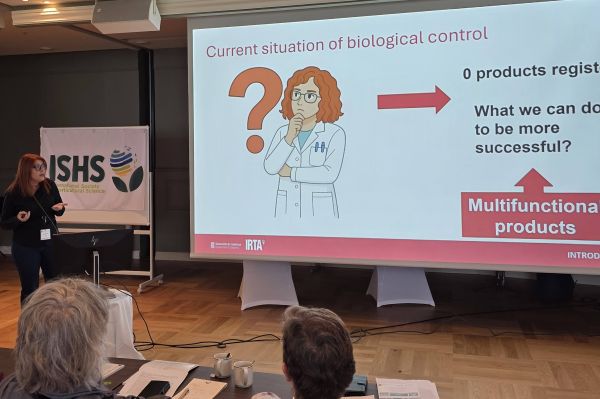
Neus Teixidó, IRTA, proposes the use of products that simultaneously control phytopathogens and physiogenic diseases
Edible coatings are an option to take advantage of agro-industrial waste, an example of which is the work presented by Lluis Palou, IVIA, where Penicillium rot in Valencia oranges is reduced using extracts obtained from avocado pits.
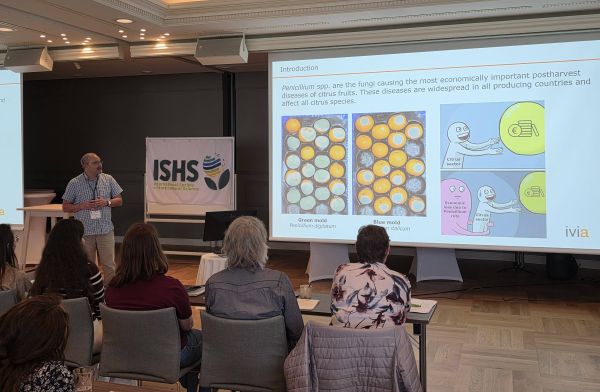
Lluis Palou, IVIA, presenting the work on the results of green mold control using avocado pit extracts
Biological control methods are a tool that has been worked on for decades, facing legal restrictions that currently, in practice, make them unfeasible with few exceptions. The Symposium dedicated a round table to learning about IBMA's proposal to allow these potential tools to be used.
IBMA Proposal to the European Commission
In a round table moderated by Gianfranco Romanazzi, CREA Italy, Isabelle Pinzauti Babrzyński, IBMA, explained the proposal of the International Biocontrol Manufacturers Association to the European Commission to simplify regulation. Among the panel participants were well-known postharvest experts from Spain, such as Neus Teixidó, IRTA Lleida, Lluis Palou, IVIA, and Clara Montesinos, Agrofresh.
For this association, the definition of biocontrol agents encompasses microorganisms, both viable and non-viable, semiochemicals (chemical compounds emitted by plants or animals), natural substances occurring in nature, and substances that are structurally similar and functionally identical to natural substances of biological origin or synthetically produced.
The IBMA representative explained that they have submitted a Position Paper to the European Commission, requesting progress on the approval of the "Omnibus package" to simplify the processing of requirements for biocontrol agents.
This opens expectations regarding easier access to these tools and also generates debate concerning the advisability of reducing requirements for live microorganisms, which have the capacity to exhibit unforeseen behavior compared to their original strain or potential mutation.
Highlights
Through several presentations, the differences in phytopathological issues affecting the same crop across different countries were made evident, along with changes in pathogen incidence over time. The latter is mainly influenced by fungicide availability, low allowable doses to avoid exceeding MRLs, and climate change as primary factors.
Hot water treatment and cultivar storage capacity
In Germany, Phlyctema vagabunda (syn. Neofabraea alba) is the main storage pathogen; Roland Weber, a scientist working in Jork, Germany, and Aarhus, Denmark, explained that postharvest hot water treatment of fruit is highly effective against almost all storage rots, as well as Venturia inaequalis. Its mechanism of action is based both on the direct effects of heat on the fungal inoculum and on the activation of the fruit's immune system.
Hot water treatment shows high efficacy against fungi in latent infections and Venturia; efficacy is lower against fungi that infect during long storage periods, such as Penicillium, and it is not effective for controlling the bitter pit complex, Neonectria ditissima, and Fusarium sp.
Fusarium, normally associated with wet core, is increasing its incidence in South Africa, commented Julia Meitz-Hopkins from Hortgro; a recent study attributes practically 23% of core rot cases to it. The most effective fungicide is fludioxonil, while pyrimethanil is less effective in preventing rot nests.
R. Weber highlighted the importance of indirect measures such as timely harvesting; earlier-harvested fruits are the ones that should be kept for longer storage. Cultivation hygiene also determines storage potential.
Apple scab (Venturia inaequalis) symptoms appear first in Controlled Atmosphere and Ultra Low Oxygen, another factor to consider when deciding on storage time.
Several researchers, in addition to the one mentioned, noted the importance of knowing the storage capacity of cultivars, a subject in which IRTA had carried out exhaustive evaluation work on stone fruit varieties driven by the closure of Russian markets. Julia Borrás-Bisa, IRTA, presented current work on Geotrichum candidum, an emerging disease affecting stone fruit production areas in Catalonia since 2016. A reproducible inoculation protocol was developed, and a series of commercial varieties were evaluated.
Appropriate storage temperature
Jorunn Borve explained that apple bitter rot can be caused by different species within the Colletotrichum acutatum complex; however, in apples stored in Norway, C. godetiae seems to be the dominant species. Storage temperature is highly important for control, with a much higher incidence in apples stored at 4C than at 1C.
Understanding spore dispersal in the field
The results indicate that conidia of Neonectria ditissima are predominantly transported by rain driven through the foliage, with limited splash deposition onto harvest wounds, according to the study presented by Monika Walter, Bioeconomy Science Institute, New Zealand. However, even low levels of deposition on the fruit or fresh wounds during harvest rains can be sufficient to initiate latent infections that become apparent after harvest.
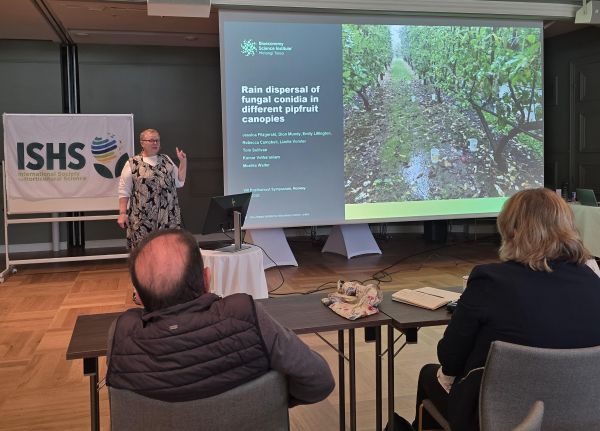
Monika Walter, Bioeconomy Science Institute, New Zealand, is a cultivation specialist, a stage known to influence postharvest behavior and whose management gains renewed importance for controlling pathologies during storage
To perform this work, fluorescent dye was used in combination with artificial leaves or spurs, corroborating previous findings that they constitute an effective method for quantifying microorganism dispersal under various conditions, including variations in phenology, precipitation, and target tissues.
Black heart detection in pomegranate
Detecting black heart caused by Alternaria species in pomegranate is possible by integrating optical spectral signatures with physical, morphological, and textural biomarkers. Giancarlo Colelli, University of Foggia, indicates that this method provides a reliable and non-invasive tool to detect affected fruits, ultimately contributing to a more effective management of the disease throughout the postharvest supply chain.
Switzerland advances the reduction in synthetic fungicide use
In Switzerland, they require a 50% reduction in the use of synthetic fungicides to be achieved by 2027, 3 years earlier than required by the European Union. Samuel Köchli, from the working group of Séverine Gabioud at Agroscope, Switzerland, explained the strategies they use in apricots, apples, and pears with alternative products to conventional fungicides in trials that have been ongoing for four years. Among the conclusions, they highlight a trend toward an increased number of conidia, which they noted with Venturia, and a higher cost of treatments with alternative products.
They believe that combining alternative products with postharvest thermotherapy could improve control levels.
Sensors
Andrea Ficke, NIBIO, discussed the options provided by sensors to detect, monitor, and manage pathogens during transport and storage. In the European project PurPest, a prototype sensor system based on a micro gas chromatograph (µGC) and a photoionization detector (PID) is being developed to detect volatile compounds produced specifically in response to certain pests or pathogens during plant importation.
The future will bring better processing of complex data, the fusion of data obtained from different sectors, miniaturization taking advantage of nanotechnology, greater versatility, and increased adoptability.
An example of sensor use is the work presented by Amandine Arnal, from the company Absoger, a specialist in controlled atmospheres, ULO, etc., on the characterization of volatile organic compounds (VOCs) in the apple-pathogen interaction. For this, they used SIFT-MS analysis, a form of direct mass spectrometry, on Penicillium expansum and Phytophthora syringae during Pink Lady apple infection.
The results show that VOC profiles diverge significantly within two hours post-inoculation. Distinct profiles appear depending on the pathogen, fruit condition, and maturity level.
This approach paves the way for developing rapid postharvest diagnostic tools. Furthermore, genomics would allow linking these profiles to plant defense pathways and invasion mechanisms to better anticipate and manage future contamination.
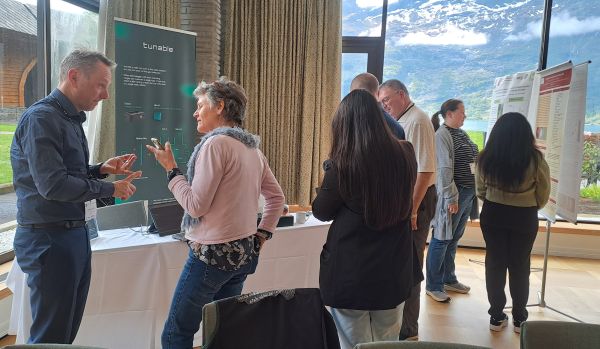
The company Tunable specializes in gas detection for precise control of storage conditions through multi-gas analysis and fingerprint recognition of gases
In Belgium, there is concern regarding side rot (Cadophora luteo-olivacea) and stem blackening in Conference pears; this country has 11,000 hectares of pears, of which 85% are Conference. Marcel Wenneker, Wageningen University, presented the work carried out on the role of 1-MCP and volatile compound-based detection in fungal decay, a project that also involves the company Storex.
1-MCP protects against stem blackening; regarding the volatiles produced by fungi, it is known that Botrytis can produce a lot of methanol, which could, in principle, be used as a biomarker, but it has also shown erratic behavior in producing that volatile. Cadophora luteo-olivacea, the fungus causing side rot and another objective of the study, is a good producer of 2-methyl-1-propanol.
The potential procurement of biomarkers from volatiles generated during fungal infections is a path forward for further research, although the speaker expresses doubts about whether this can be achieved.
Awards and the next symposium
As has become customary in ISHS events, young researchers were awarded. Giancarlo Colelli, chair of the ISHS Postharvest and Quality Assurance Division, who was present throughout the event, renewed his position during the organization's assembly held over these days and was in charge, along with Jorunn Borve, of presenting the awards.
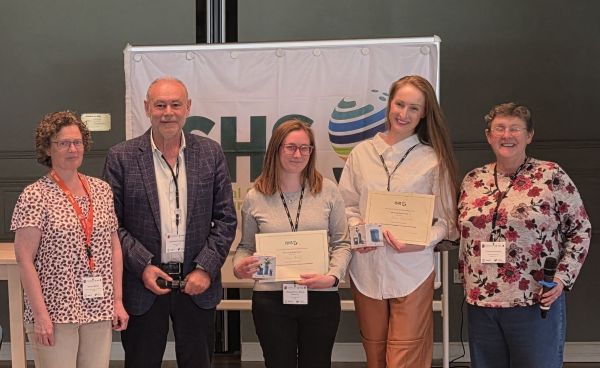
From left to right, Jorunn Borve, NIBIO; Giancarlo Colelli, ISHS; Giulia Remolif, University of Turin; Justina Griauzdaitė from the Lithuanian Research Centre for Agriculture and Forestry; and Cheryl Lennox, Stellenbosch University
These awards went to Giulia Remolif, University of Turin, for her work on the cultivation optimization of an antagonistic strain of A. pullulans, “Optimization of a cost-effective culture medium for mass production of an endophytic antagonistic strain of Aureobasidium pullulans.”
The award for best poster presentation went to Justina Griauzdaitė from the Lithuanian Research Centre for Agriculture and Forestry, for her work on the use of propolis extracts as a biofungicide against raspberry gray mold.
The next postharvest pathology symposium will take place in South Africa.
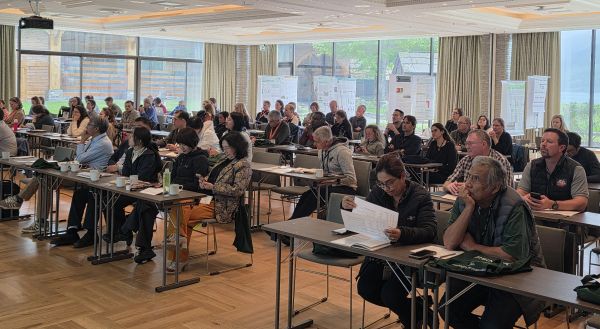
Image during one of the symposium sessions
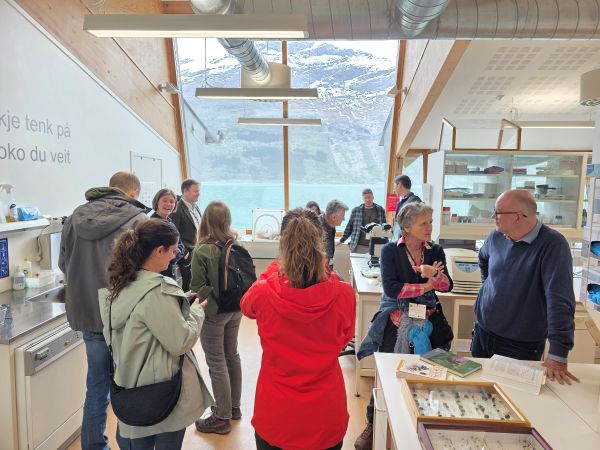
Image of one of NIBIO's laboratories, all featuring large windows overlooking the fjord
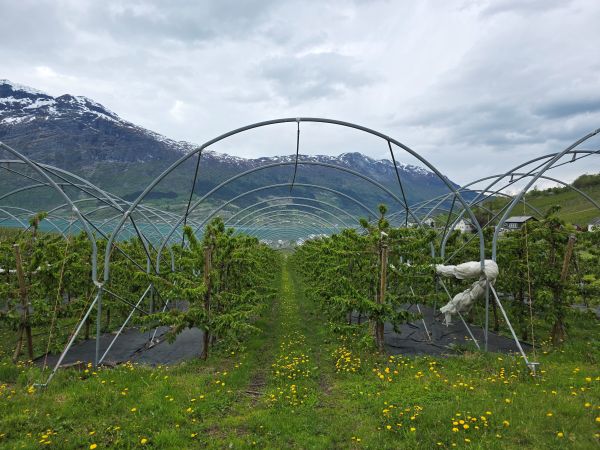
A cherry orchard
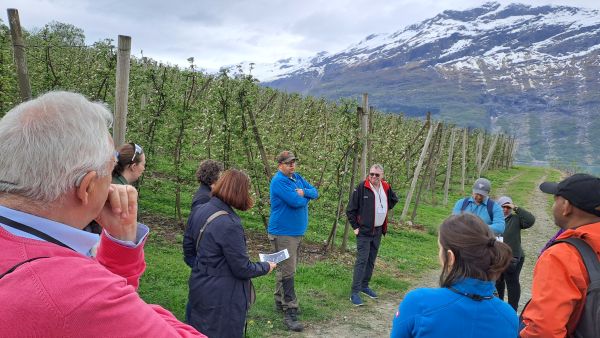
Visit to the farm of Magnus Opedal, on the left with crossed arms, an apple grower neighboring NIBIO
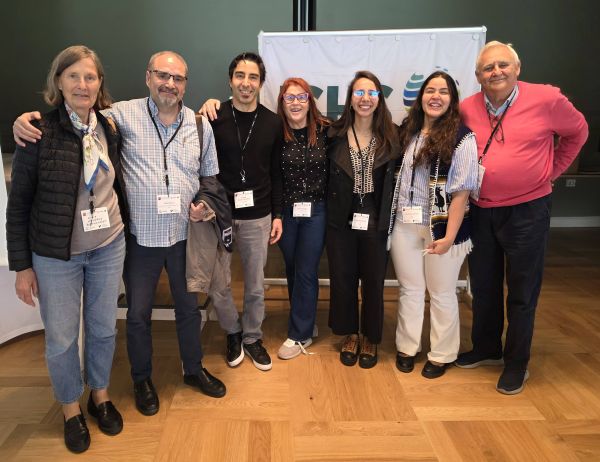
The "Spain" group at the symposium, except for Clara Montesinos, Agrofresh. From left to right, Alicia Namesny, SPE3-Poscosecha; Lluis Palou, IVIA; Xavi Parra, Citrosol; Neus Teixidó, Júlia Borràs, and Ghofrane Zayati, IRTA; and Pere Papasseit, SPE3-ACTUAL FruVeg
The main image features the Symposium participants, excluding the photographer, Pere Papasseit, SPE3, ACTUAL FruVeg