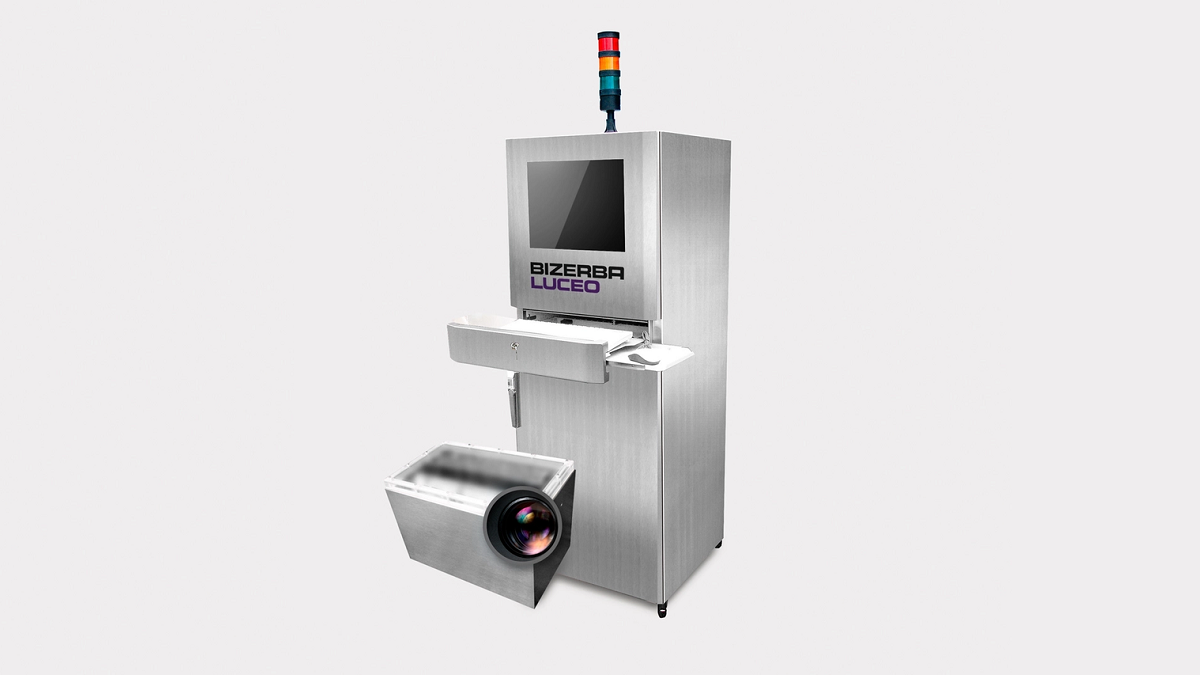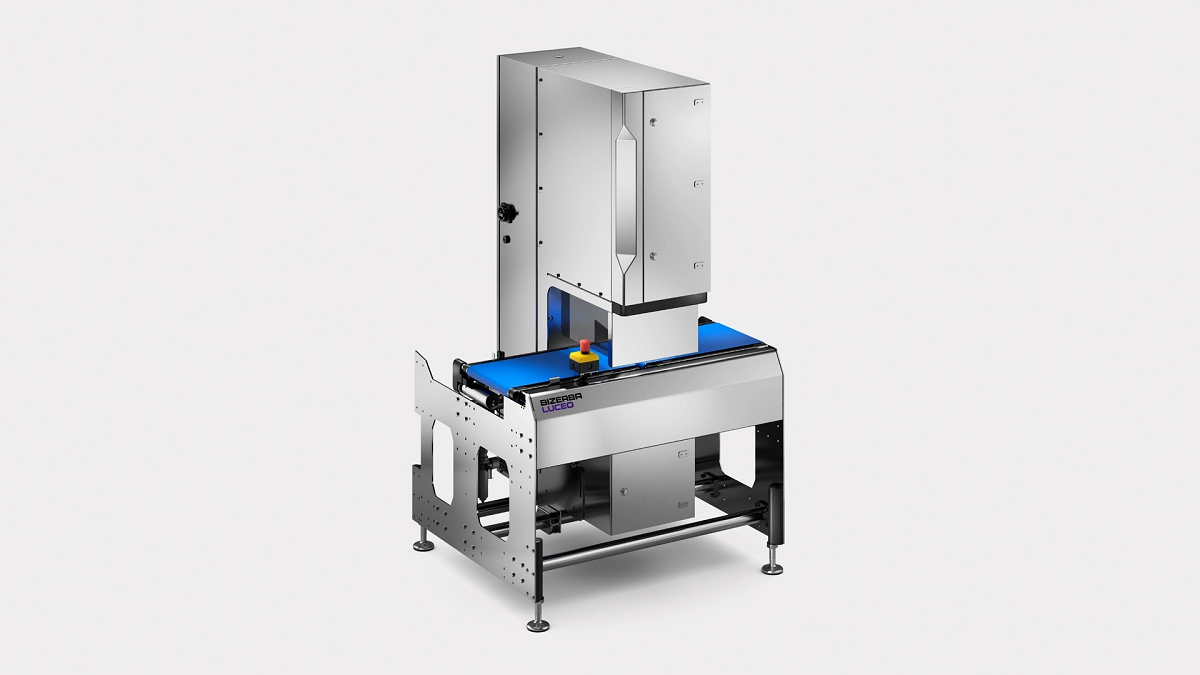


The operational update highlighted by the company is the enhanced MyBizerba customer portal, designed to centralize the installed base and the service layer associated with each piece of equipment. The portal adds real time tracking of devices, spare parts, and service tickets, helping teams prioritize incidents and reduce diagnosis time. It also provides around the clock access to software, licenses, and updates, along with simpler management of contracts, invoices, and user roles across multi site operations.
Real world application: Bizerba scales support a record at a central market
A recent example illustrates the role of metrology when outcomes depend on the accuracy of every recorded weighment. On September 14, 2024, Central Market in Austin, Texas, set a world record for the largest charcuterie board, reaching a total weight of 468.118 kg, according to Bizerba. The company reported that two scales were calibrated on site by a service technician, with careful control of tare weights for non food items such as trays and serving dishes.
The process included 324 individual weighments and a broad product list, with notable items such as smoked ham, Manchego cheese with protected designation of origin, and pitted olives. Weight certification was performed by Andrew Glass, a member of the Guinness World Records team, according to the corporate release. After the attempt, part of the food was served to guests and team members, and a significant share was donated to a local food bank to avoid waste and reinforce the community component of the event.
Practical implications for packhouses and maintenance teams
For fresh produce operations, the practical takeaway sits in two connected areas, weighing accuracy and efficient service management for the installed base. A ticketing workflow that is traceable by device and location helps reduce recurring incidents, especially when failures are linked to configuration, consumables, or operating conditions. Structured access to software, licenses, and updates also supports change planning during low load windows, reducing compatibility risks that can affect labeling, lot traceability, and shipping execution.
As a point to monitor, operators should track simple indicators to confirm whether the portal reduces response times, speeds up critical spare part replacement, and lowers unplanned downtime in weighing and labeling. A sensible next step is to reconcile the real equipment inventory by site, standardize incident reporting with minimum required fields, and set a calendar for license and version reviews to protect operational continuity.