
Catalytic Generators
Cooling and CA
How Catalytic Generators supports the ready-to-eat avocado trend through reliable ethylene application
Growing demand for ready-to-eat avocados is driving the adoption of increasingly advanced commercial ripening programmes. Combining a deeper understanding of fruit physiology with effective ethylene application enables more uniform ripening, improves fruit quality, and helps meet the expectations of both consumers and retailers
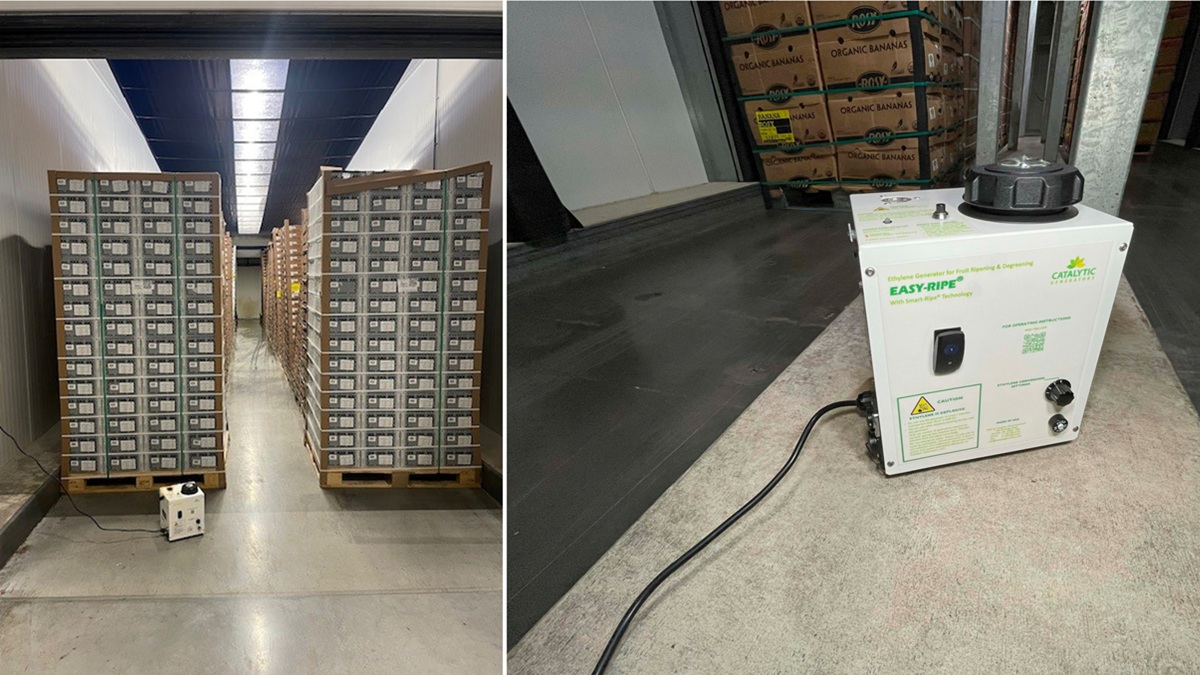
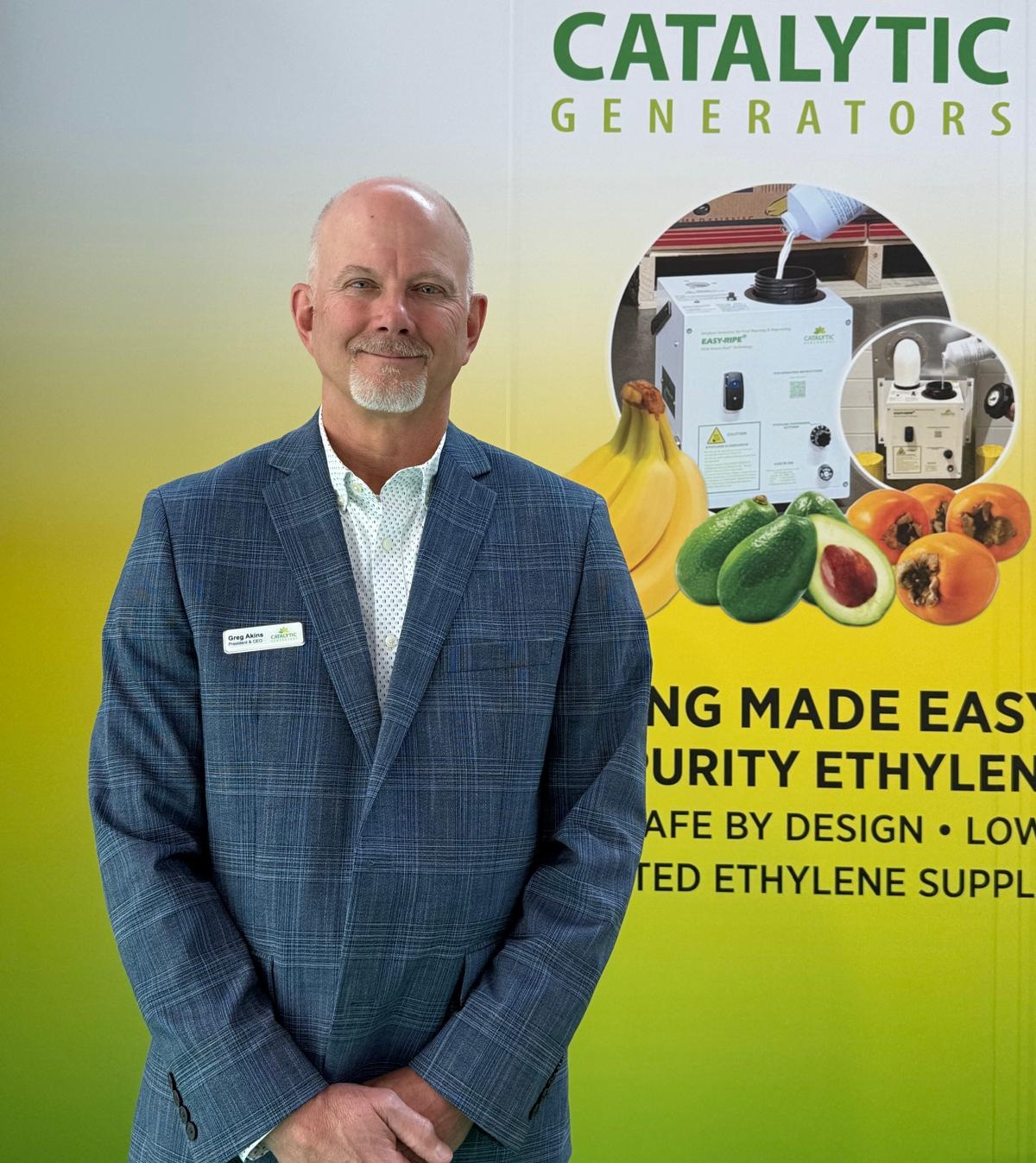
As demand for ready-to-eat avocados continues to grow, Mary Lu Arpaia, Emeritus Cooperative Extension Specialist at the University of California, and Greg Akins, President and CEO of Catalytic Generators, explain why effective ripening begins with understanding the fruit and applying ethylene reliably.
The demand for ready-to-eat avocados has transformed the way the fresh produce industry approaches ripening. What was once considered a specialised service has become an essential part of the supply chain. This helps growers, importers, ripening operators and retailers deliver fruit with consistent quality and predictable ripeness while reducing waste.
This evolution reflects the remarkable growth of the global avocado market. According to the latest edition of the OECD-FAO Agricultural Outlook, avocados are expected to remain the fastest-growing major tropical fruit over the next decade, with global production projected to reach approximately 16 million tonnes by 2035. The report also forecasts that avocados will become the most traded major tropical fruit worldwide by 2035, driven by increasing demand in the United States, Europe and other high-income markets.
As avocado consumption continues to grow across North America, Europe, Latin America and Australia, commercial ripening programmes are becoming increasingly sophisticated. They combine a deeper understanding of fruit physiology with reliable ethylene application and modern ripening technologies.
Understanding the fruit: the basis of effective avocado ripening
One of the main challenges of commercial avocado ripening is that no two batches behave exactly the same. Factors such as the growing region, the stage of maturity at harvest, the time elapsed since harvest, transport conditions and previous postharvest treatments all influence how avocados respond during the ripening process.
According to Mary Lu Arpaia, Emeritus Cooperative Extension Specialist at the University of California:
“Avocado ripening has evolved significantly over the years. Traditionally, it was carried out at packing houses, but today it increasingly takes place at retail and wholesale distribution centres. Advances in ripening room technology, temperature and carbon dioxide control, and ethylene application make it possible to deliver fruit with more consistent quality closer to the point of sale. Because ripe avocados are particularly delicate, this shift also helps reduce post-ripening handling and preserve fruit quality until it reaches consumers.”
For Arpaia, understanding these variables is the starting point for delivering fruit of consistent quality:
“Effective avocado ripening begins with understanding the fruit: where it comes from, how much time has passed since harvest, its stage of maturity, transport conditions and any postharvest treatments. Ethylene application helps reduce variability between fruits, shorten ripening time and deliver a more consistent product to the end user.”
Ultimately, effective avocado ripening is never the result of a single factor. It depends on understanding the fruit, maintaining well-managed ripening conditions and ensuring reliable ethylene application.

Reliable ethylene application: consistency is everything
Although understanding the fruit is essential, effective avocado ripening also depends on maintaining stable conditions inside the ripening room. For Mary Lu Arpaia, this means considering the ripening process as a whole:
“An ethylene application system must provide a uniform gas concentration at a constant flow rate and work in conjunction with a well-designed ripening room. Airflow is equally important to ensure that ethylene is distributed evenly throughout the room.”
Greg Akins, President and CEO of Catalytic Generators, agrees and explains how this principle is applied in commercial ripening operations:
“For fruit to begin ripening uniformly and reliably, ripening operators must maintain at least 100 ppm of ethylene throughout the entire application period. Continuous ethylene production helps maintain the required level, even when small air leaks occur, and allows it to be quickly restored whenever doors are opened.”
Together, these insights explain why reliable ethylene application has become a key component of modern avocado ripening programmes. It is not simply about introducing ethylene into a room, but about maintaining the correct concentration, distribution and consistency throughout the entire treatment period.
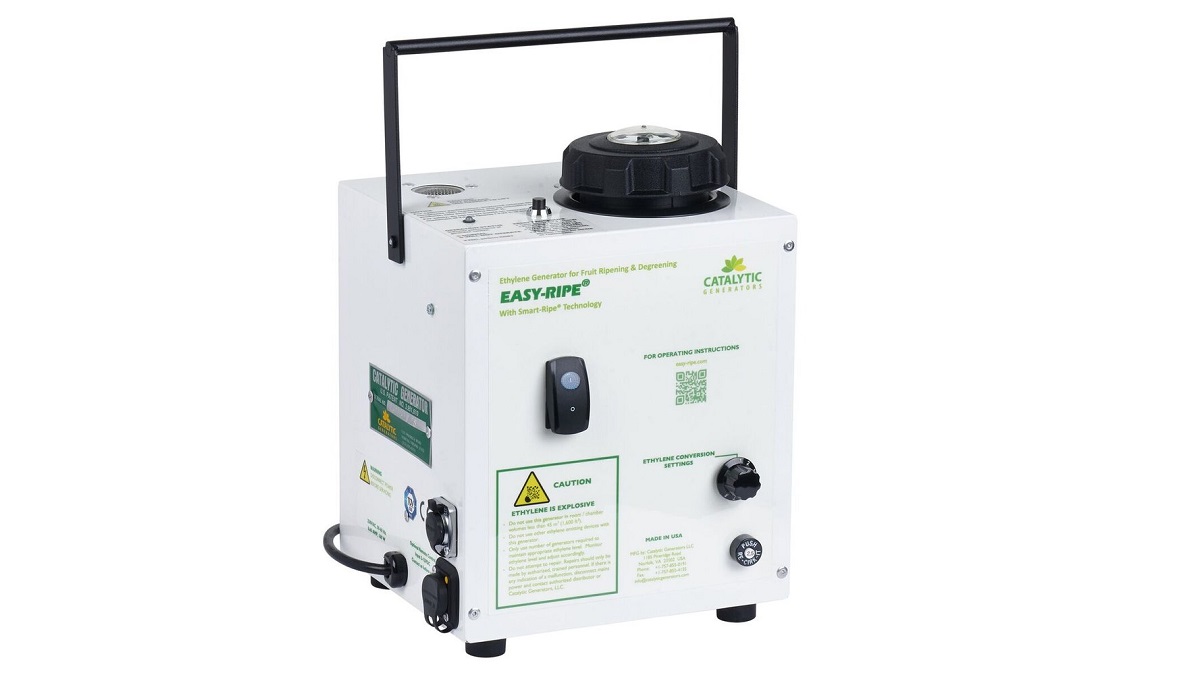
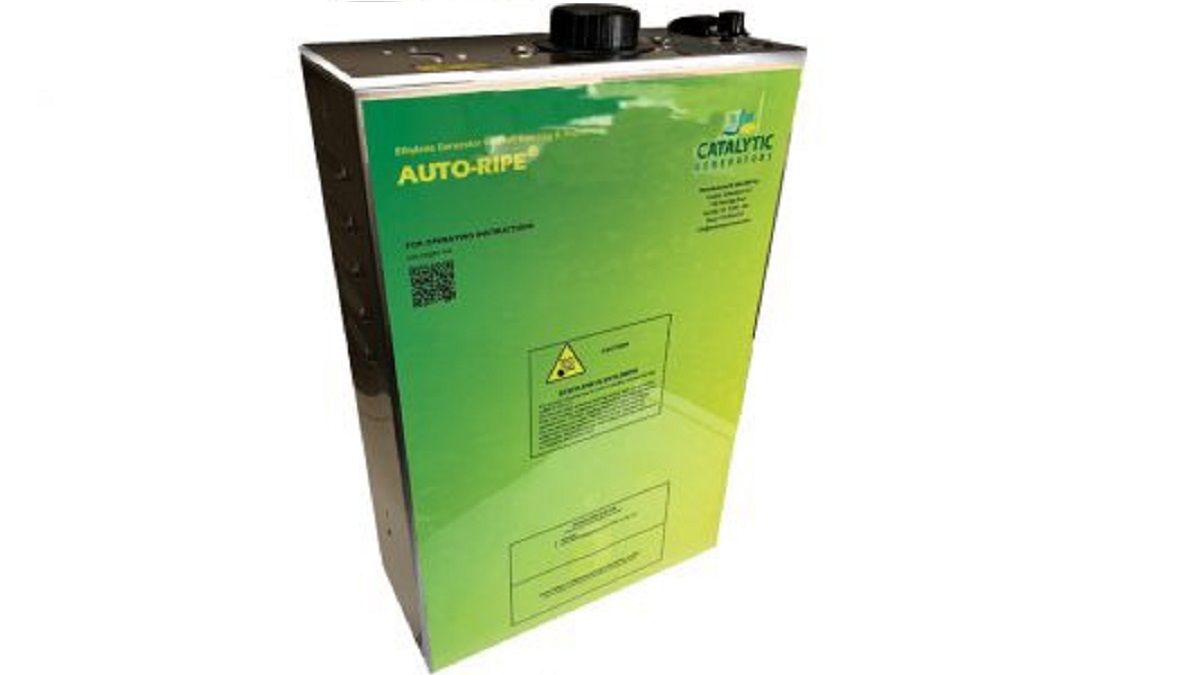
This is the approach behind Catalytic Generators' Easy-Ripe® systems, which are designed to provide continuous and reliable ethylene production for commercial ripening operations. According to Akins, this is exactly what customers are looking for today: reliable equipment, consistent results, trusted service and professionals who understand the fresh produce industry.
From a specialised service to an industry standard
Commercial avocado ripening has changed significantly over the past decade. According to Akins, what was once handled by a limited number of growers and specialised operators has become common practice across the industry, including at many retail distribution centres. This shift has been driven by increased sales, reduced shrink and faster inventory turnover. At the same time, it helps suppliers consistently deliver fruit that meets consumers' expectations for ready-to-eat products.
Across the industry, professionally managed ready-to-eat programmes continue to demonstrate the value of commercial ripening. These programmes make it possible to deliver more consistent quality, strengthen consumer confidence and encourage repeat purchases.
However, unlike bananas, avocados present additional operational challenges. Once they reach their climacteric peak, they generate considerably more heat. This requires greater refrigeration capacity and carefully designed airflow to remove the fruit's respiratory heat from the centre of each pallet. For ripening operators, success depends on managing every stage of the process. Reliable ethylene application must be combined with effective temperature and carbon dioxide control, together with appropriate airflow, to ensure that fruit ripens uniformly and reaches the market at its optimum stage of ripeness.
Regulatory approvals support international expansion
As commercial avocado ripening expands around the world, regulatory compliance is becoming increasingly important. In several countries, ethylene is classified as a regulated plant protection product and must receive official registration before it can be applied commercially to fruit.
Catalytic Generators has recently obtained authorization in Italy for avocado ripening and continues to expand its regulatory approvals internationally. These approvals give customers the confidence that they are using a legally authorized solution and support the continued growth of commercial ripening programmes in new markets.
The future of avocado ripening
Ready-to-eat avocados have become the standard for consumers, and the industry continues to evolve to meet growing expectations for quality and consistency. According to Akins:
“The next generation of ripening programmes will increasingly combine reliable ethylene application with digital tools such as ripeness sensors, remotely monitored ethylene generators and connected ripening rooms. This will provide operators with greater visibility and control throughout the entire process.”
Ultimately, the success of avocado ripening will continue to depend on the combination of science, technology and practical experience. As Arpaia emphasises:
“Understanding the fruit remains the foundation of every effective ripening programme. Combined with reliable ethylene application and smarter ripening technologies, this knowledge will help the industry deliver ready-to-eat products with the consistent quality that today’s consumers expect.”
About Catalytic Generators
Headquartered in Norfolk, Virginia (USA), with a global presence, Catalytic Generators provides fresh produce companies, distribution centres and growers with the tools they need to ripen avocados, bananas, tomatoes and other produce, simplifying their operations while delivering consistent and predictable results. Its high-purity ethylene solutions are backed by professional support, local distribution and tailored services that ensure a reliable and timely supply. The company works with a carefully selected network of distributors serving a wide range of markets.

News of Catalytic Generators

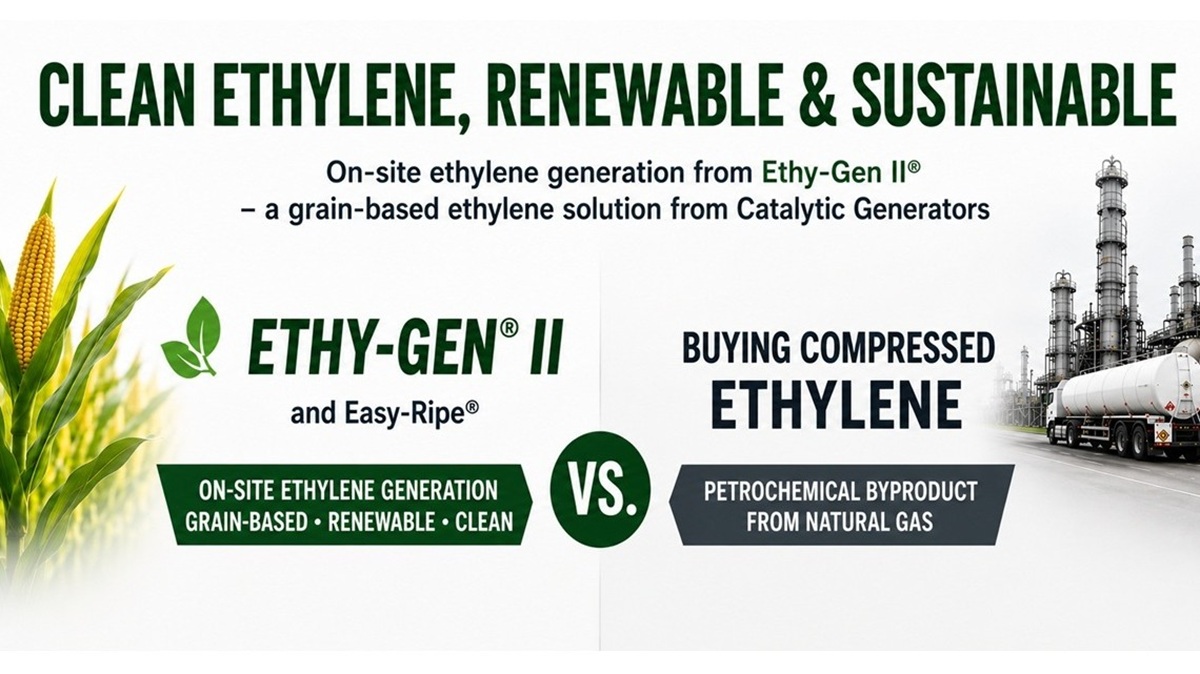
Catalytic Generators offers in situ ethylene production amid industrial supply uncertainty
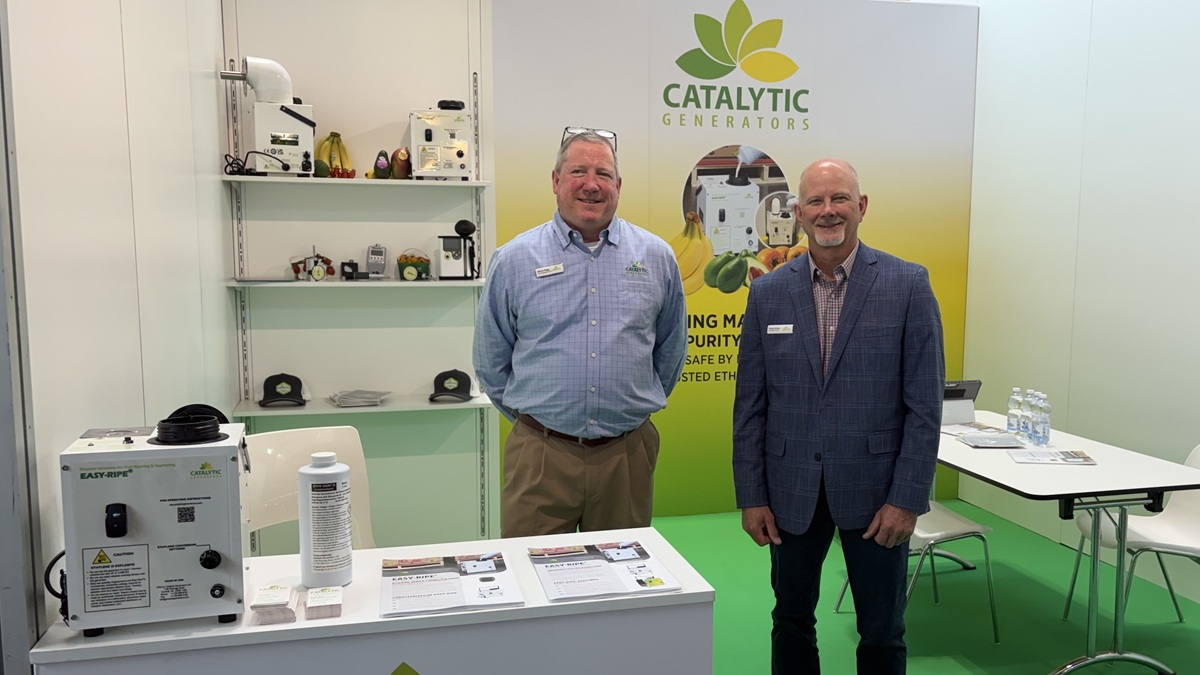
Catalytic Generators