
Citrosol
Phytosanitaries
Innovation and circular economy in Citrosol’s model for more sustainable postharvest operations
Citrosol develops and implements postharvest technologies and coatings for fresh agricultural produce. One of its key contributions is helping preserve the commercial quality of fruits and vegetables, significantly reducing waste and promoting global sustainability
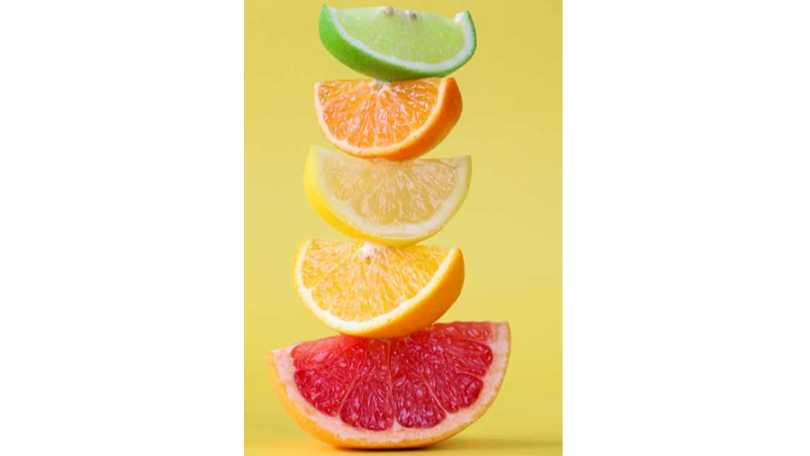
Citrosol is a global benchmark in postharvest technology and treatments for fruits and vegetables. Its innovation focuses on extending the commercial life of produce, improving water-use efficiency and promoting eco-design-based solutions. Its industrial activities and corporate operations follow the guidelines established by the United Nations Sustainable Development Goals (SDGs). Within this framework, Citrosol’s performance is structured around three strategic pillars: operational excellence, innovation, and internationalization and diversification.
Initiatives in action
At Citrosol, circular and efficient postharvest systems and treatments are eco-designed. The company prioritizes responsible use of natural resources through tools such as the Citrocide System and Zero Discharge, which maintain maximum washing efficiency without generating contaminated wastewater (SDGs 6 and 12).
It also develops solutions such as the Plantseal family of plant-based coatings, which reduce plastic film consumption in production operations, eliminating the placing on the market of 1,800 kg of plastic (SDG 12).
Beyond conventional products, Citrosol invests in real-time data management technologies such as CitroFy, promoting infrastructure and continuous innovation (SDG 9). Its postharvest solutions help preserve food and reduce fruit weight loss, directly combating waste in the supply chain and supporting food security (SDG 2).
Together with customers and suppliers, and through initiatives such as its Equality Plan (2022–2026), the company promotes an inclusive, equitable and discrimination-free environment for all employees (SDG 5).

Innovation serving the environment
Citrosol states that sustainability is not only an option, but a necessary path toward a more prosperous and equitable future. The company innovates to become more sustainable, implementing intentional changes in products, services and processes to generate long-term social and environmental benefits.
Its Sustainability Strategy includes achievements and ambitious objectives, reflected in the close of 2023:
- 44.3% reduction in CO2eq emissions intensity for scopes 1 and 2 compared with the 2018 baseline year.
- 8,398,299 tonnes of fruit protected to combat food waste.
- 26,559,648 liters of water saved annually through the use of Citrocide Systems.
- 27,434.26 kg of CO2 emissions avoided through packaging recycling with SIGFITO.
- €3,030,302 invested in approved R&D project budgets.
Conclusions and roadmap to 2030
The sustainability report reflects the company’s effort to improve and refine the assessment of its impact on the communities where it operates. The materiality analysis identifies decisive aspects requiring maximum attention: research and development of new R&D projects to advance fruit and vegetable protection, and the development of its Equality Plan to eliminate inequalities and strengthen women’s inclusion, achieving effective parity in company management with five women and five men in executive positions.
In this regard, Citrosol has committed to focusing its greatest efforts on the priority targets of five major SDGs: increasing productivity and reducing losses (SDG 2), ensuring equal opportunities and ending discrimination (SDG 5), improving efficiency and circularity of water resources (SDG 6), strengthening technological capacity and scientific research (SDG 9), and ensuring responsible production and consumption models (SDG 12).
Evaluating impact supports decision-making, mitigates risks and increases transparency, allowing the company to act responsibly and contribute significantly to social well-being and the success of the 2030 Agenda.