
Citrosol
Conditioning
The treatment solution: central to postharvest quality
The treatment solution is essential for the success of post-harvest treatment; we explore solutions for its optimal maintenance
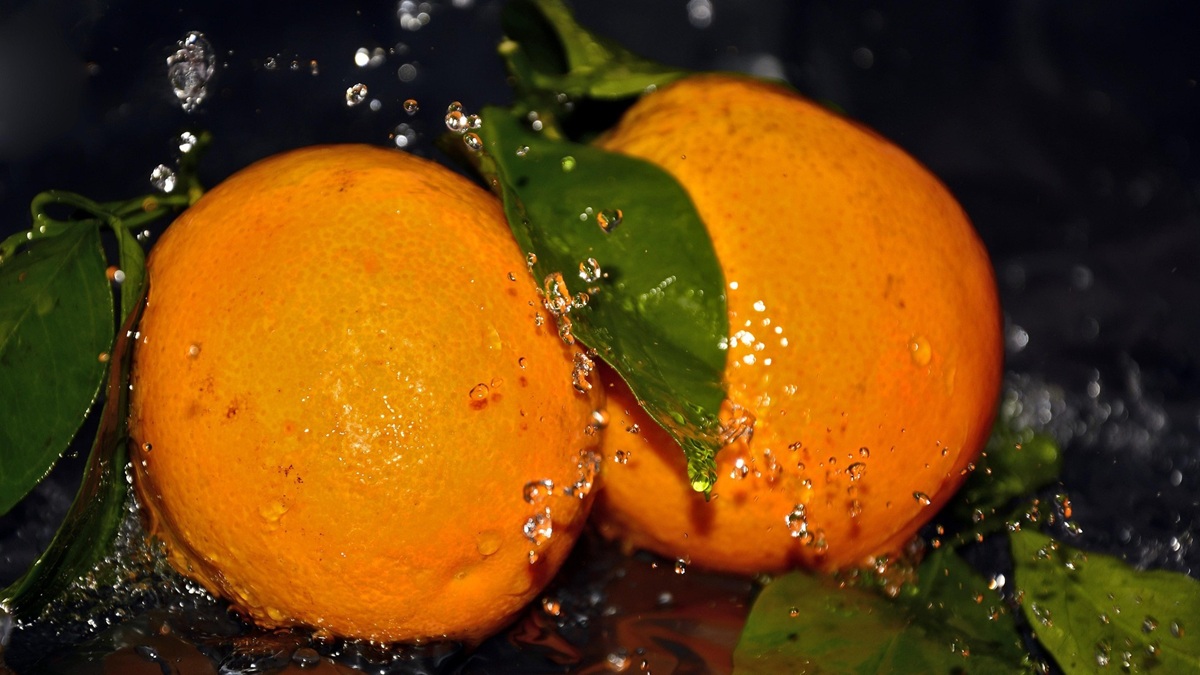
The effectiveness of postharvest treatment depends on several factors, such as the condition of the produce prior to treatment, the state of the machinery, the status of the active ingredient, and so on.
However, there is one component of the postharvest system that is often overlooked: the treatment solution itself.
To ensure the treatment remains effective at all times, the producer must guarantee that the concentration of the active ingredient in the solution stays within the optimal range for its intended action. Achieving this is highly challenging.
Various factors such as environmental conditions and the accumulation of debris in the solution can unpredictably alter the active ingredient concentration, leading to serious consequences: the development of resistance, increased microbiological contamination of both the solution and the final product, and more.
Furthermore, the postharvest treatment process faces a critical constraint: time. If manual detection and adjustment of the active ingredient concentration are used, a significant amount of fruit will be treated incorrectly during the interval between sampling the solution and adjusting the concentration; this fruit becomes more vulnerable to microbiological attack and suffers from a shorter shelf life.
This is why an automated, self-regulating control system is required such as Citrosol’s CATsystem®. This system is capable of measuring the active ingredient concentration in the solution *in situ* and correcting it as needed, thereby preventing product loss in a continuous and reliable manner.
Dr. Javier Parra of Citrosol will be a speaker at the 5th Citrus Postharvest Conference V Jornada Poscosecha de Cítricos. Organized by Poscosecha.com, IVIA, and AgroBank, the event will take place on September 17 at the AgroBank headquarters in Valencia.
Source: Dr. Javier Parra
News of Citrosol