Conditioning
Emerging technologies enhance postharvest preservation of oyster mushrooms
A new review examines recent advances in oyster mushroom postharvest processing, highlighting the role of advanced drying technologies, smart packaging and artificial intelligence in extending shelf life and maintaining quality
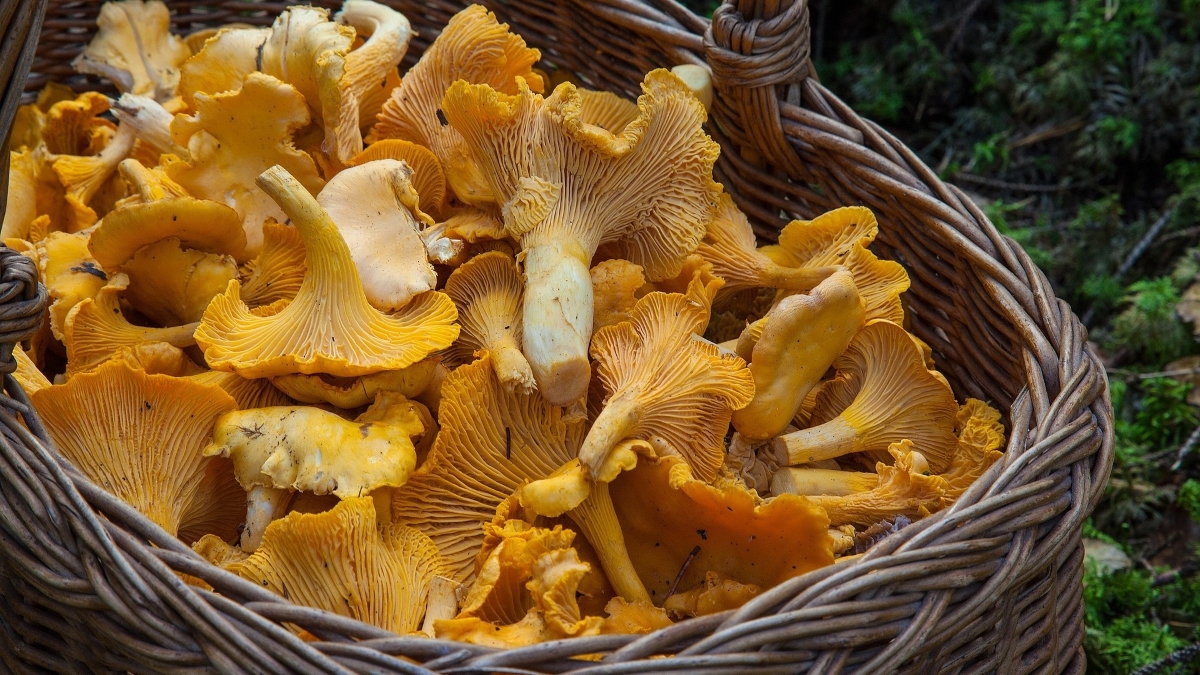
The oyster mushroom (Pleurotus ostreatus) is one of the world's most widely cultivated edible fungi because of its high nutritional value. However, its high moisture content makes it highly perishable after harvest, leading to rapid quality losses. A recent review summarises research published between 2021 and 2026 on postharvest processing and preservation technologies designed to improve shelf life.
The paper examines how different preservation strategies influence physicochemical properties, nutritional stability and structural integrity, while also exploring the growing role of artificial intelligence in postharvest quality management.
Advanced drying technologies preserve nutritional quality
According to the review, freeze-drying and hybrid microwave–infrared drying retain phenolic compounds, antioxidant activity and microstructural integrity more effectively than conventional drying methods.
However, these technologies remain limited by their high energy requirements and operational costs, restricting wider industrial implementation.
Traditional hot-air and solar drying continue to be widely used because of their lower costs, although they are associated with greater nutrient losses, enzymatic browning and tissue shrinkage.
Packaging technologies extend shelf life
The review also highlights preservation systems based on modified atmosphere packaging, vacuum storage and edible coatings.
These approaches reduce respiration, microbial growth and moisture migration, extending shelf life while preserving key physicochemical and sensory characteristics.
Artificial intelligence supports postharvest management
One of the most innovative aspects of the review is its assessment of digital technologies for quality control.
The authors discuss the potential of smart packaging, IoT-enabled cold chain monitoring, convolutional neural network (CNN)-based grading, YOLO defect detection systems and transformer-based shelf-life prediction models to automate quality assessment and improve postharvest decision-making.
These tools offer new opportunities for real-time monitoring throughout storage and distribution.
Industrial implementation remains challenging
Despite significant technological progress, several barriers still limit large-scale adoption.
The review identifies process optimisation, standardised evaluation methods and industrial scalability as key priorities for future research and commercial implementation.
According to the authors, integrating preservation technologies with artificial intelligence will play a central role in the future of mushroom postharvest management.
Source
Athiraja, A., Appavoo, J., Muthuvel, P., & Marisargunam, S. (2026). Postharvest processing and preservation of oyster mushroom (Pleurotus ostreatus): A review of physicochemical transformations, nutritional stability, and computational intelligence-based shelf-life enhancement. European Food Research and Technology. https://doi.org/10.1007/s00217-026-05205-6