Conditioning
New preservative treatments extend the postharvest life of alstroemeria flowers
A study evaluated different preservative solutions for alstroemeria flowers. Gibberellic acid and Florissant with chlorine delayed leaf yellowing, while silver thiosulfate reduced petal drop and antioxidant enzymes helped protect flower tissues
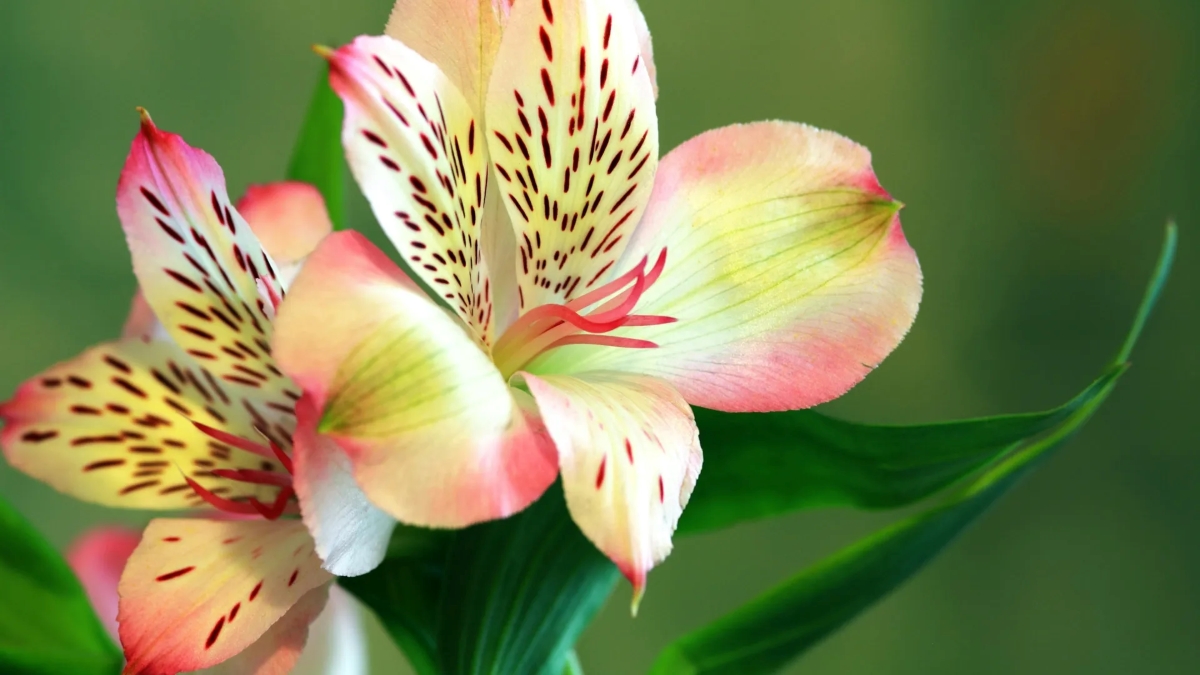
Premature leaf yellowing is one of the main factors limiting the commercial life of Alstroemeria hybrida, reducing its ornamental quality and market value. A recent study evaluated several preservative solutions to determine their ability to delay senescence while analysing the biochemical responses involved during postharvest storage.
The research was carried out using 'Akemi' alstroemeria floral stems to identify treatments capable of extending vase life and maintaining flower quality.
Gibberellic acid and Florissant performed best
Researchers compared preservative solutions containing 6-benzyladenine (BA), FloraLife Crystal Clear®, Florissant 210XC with chlorine, gibberellic acid (GA₃) and silver thiosulfate (STS).
Among all treatments, gibberellic acid and Florissant combined with chlorine provided the longest postharvest longevity, effectively delaying leaf yellowing, one of the most important indicators of quality loss in alstroemeria.
Silver thiosulfate reduced petal abscission
The silver thiosulfate (STS) pulsing treatment was particularly effective at preventing perianth abscission, helping flowers retain their ornamental appearance for a longer period during storage and marketing.
This response contributes to improved visual quality throughout the supply chain.
Antioxidant enzymes reduced oxidative stress
The study also investigated the biochemical responses associated with postharvest preservation.
Higher activity of the antioxidant enzymes catalase (CAT), peroxidase (POD), superoxide dismutase (SOD) and ascorbate peroxidase (APX) reduced the accumulation of hydrogen peroxide (H₂O₂), helping protect flower tissues from oxidative damage during harvest and commercialisation.
Better understanding postharvest physiology
According to the authors, preservative solutions are widely used in cut flowers, but the physiological mechanisms behind their effectiveness remain only partially understood.
These findings improve understanding of the relationship between antioxidant metabolism and postharvest quality, providing useful information for developing more effective preservation strategies for ornamental flowers.
Source
Silva, A., et al. (2026). Biochemical changes and antioxidant enzyme activity in alstroemeria flowers postharvest. Scientia Agricola. https://www.scielo.br/j/sa/a/LxWjDchxBdcSNLFwH4TGgMx/
Image from ADMagazine