Conditioning
Review highlights widespread fungal contamination in African cassava
A scientific review covering studies published between 1999 and 2025 shows that fungal contamination and mycotoxins are highly prevalent in cassava and cassava-based products across Africa, underlining the importance of improved postharvest management
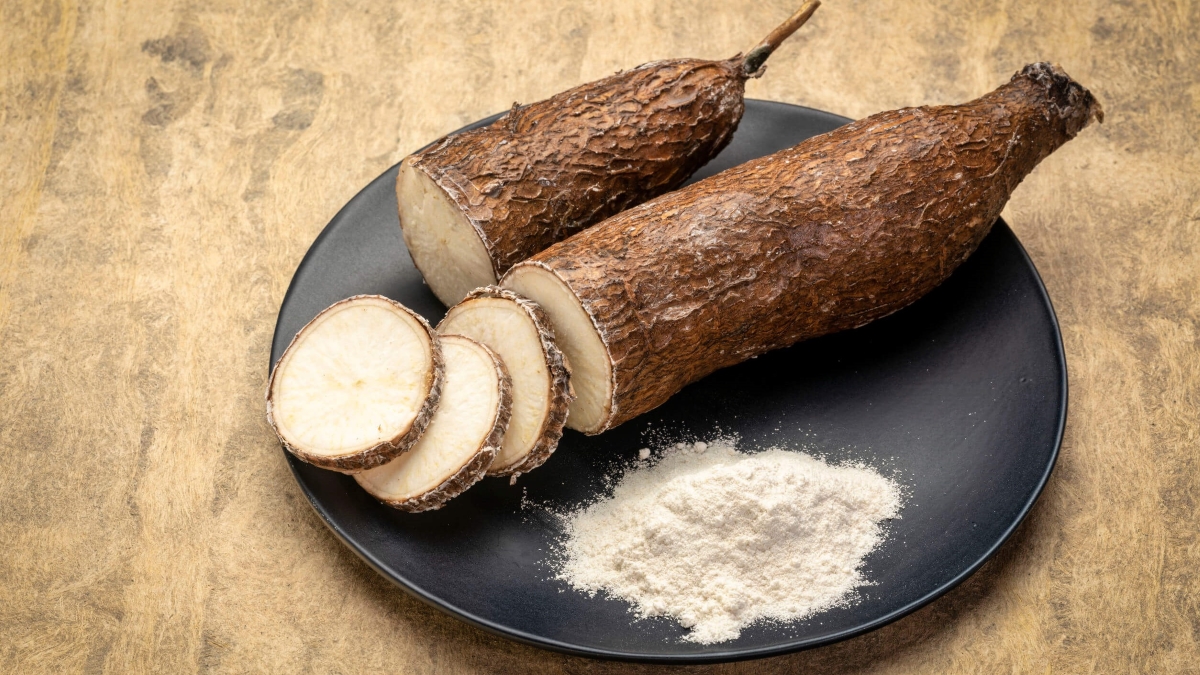
A scientific review analysing studies published between 1999 and 2025 reports widespread contamination of cassava (Manihot esculenta) and cassava-based products by fungi and mycotoxins across Africa. The authors conclude that inadequate postharvest handling, storage and processing practices are major contributors to contamination, affecting both product quality and food safety.
Aspergillus, Penicillium and Fusarium are the main contaminants
The review identifies Aspergillus, Penicillium and Fusarium as the dominant fungal genera, with reported contamination rates ranging from 80% to 100%.
Warm climatic conditions, together with poor agricultural and storage practices, significantly increase the risk of fungal development.
Traditional cassava products are also affected
Contamination was reported not only in fresh cassava roots but also in widely consumed processed products such as gari, fufu, attiéké, chikwangue and cossettes.
Since these foods are dietary staples for millions of people, improving postharvest handling is essential to ensure food safety.
Mycotoxins pose significant health risks
The review highlights aflatoxins, ochratoxin A and fumonisins as the most important mycotoxins detected.
These compounds are associated with carcinogenic, nephrotoxic and other harmful health effects following long-term exposure.
In Côte d'Ivoire, average aflatoxin concentrations of 15 µg/kg were reported, exceeding European Commission regulatory limits.
Improved postharvest practices are urgently needed
Although analytical techniques such as HPLC and ELISA are available, their application remains limited under field conditions in many African production areas.
The authors conclude that better drying practices, improved storage systems and stronger postharvest management are essential to minimise fungal growth and mycotoxin formation, ultimately improving food safety across the continent.
Source
Diéni, I., Tapsoba, F., Bagré, T. S., Kagambèga, B., Tiendrébéogo, W. P. B., & Barro, N. (2025). Fungal Contaminants and Mycotoxins in Cassava and Cassava-Based Products in Africa: A Critical Analysis of Available Data. Journal of Agricultural Chemistry and Environment. https://www.scirp.net/pdf/jacen_2750780.pdf
Related news