Conditioning
Growing origin influences the nutritional and microbiological quality of Medjool dates
A new study compares Medjool dates grown in Morocco and other producing countries, revealing significant differences in their physicochemical and microbiological characteristics. The findings highlight the impact of growing conditions and postharvest management on fruit quality
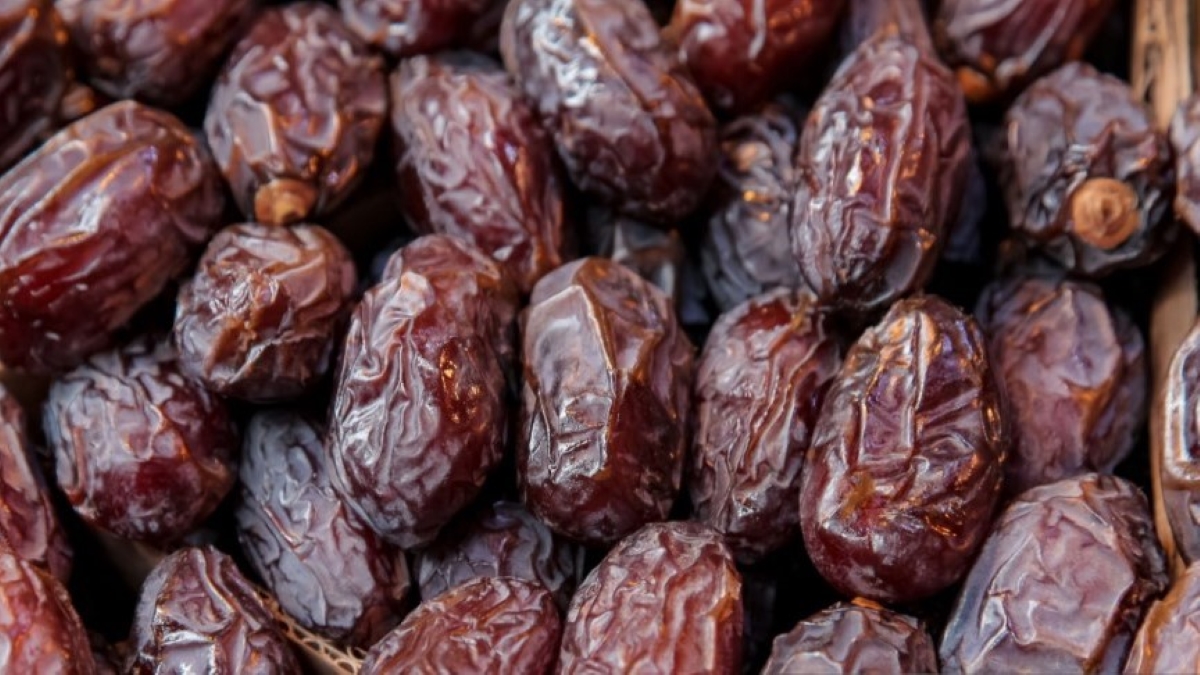
The Medjool date, originally from Morocco and regarded as one of the world's most valuable commercial date cultivars, shows significant quality differences depending on where it is grown. Researchers from Morocco and the United Kingdom analysed samples collected from the main Moroccan production areas as well as from countries where the cultivar has recently expanded, including the United States, Saudi Arabia, Jordan and Palestine.
The study evaluated physicochemical parameters such as pH, moisture, ash and sugar content, together with the microbiological quality of the fruit. Significant differences were found among samples, indicating that environmental conditions and production practices have a direct impact on the final characteristics of Medjool dates.
Nutritional composition varies with production area
The results showed that moisture, mineral content (estimated through ash content) and sugars differed according to the country of origin. These variations may influence fruit texture, flavour and shelf life.
Principal Component Analysis (PCA) grouped the samples into three distinct clusters. Dates from the Moroccan regions of Figuig, Boudnib and Difat Ziz were characterised by higher moisture content, while samples from Palestine, Jordan, the United States, Saudi Arabia and the Moroccan region of Rissani displayed opposite characteristics.
Microbiological quality also differs
The researchers also observed variations in microbial populations. Fruits with higher moisture content showed higher counts of total viable microorganisms and yeasts.
These findings underline the close relationship between fruit composition and microbiological stability, which is particularly important for maintaining quality during storage and distribution.
Relevance for postharvest management
Although the research does not assess specific postharvest treatments, it concludes that environmental conditions and production practices strongly influence fruit quality, directly affecting storage performance and export potential.
The authors note that Morocco offers highly favourable conditions for producing premium-quality Medjool dates. However, the country's export potential remains constrained by inconsistent production practices and environmental factors. Improving production standardisation, including postharvest handling, could help ensure more consistent fruit quality and strengthen international competitiveness.
Source
Elhoumaizi, M. A., Jdaini, K., Alla, F., & Parmar, A. (2023). Variations in physicochemical and microbiological characteristics of ‘Mejhoul’ dates (Phoenix dactylifera L.) from Morocco and new countries of its expansion. Journal of the Saudi Society of Agricultural Sciences.
Image from Pixabay
Related news
How to prevent cold chain breaks in frozen fruit and vegetables