Conditioning
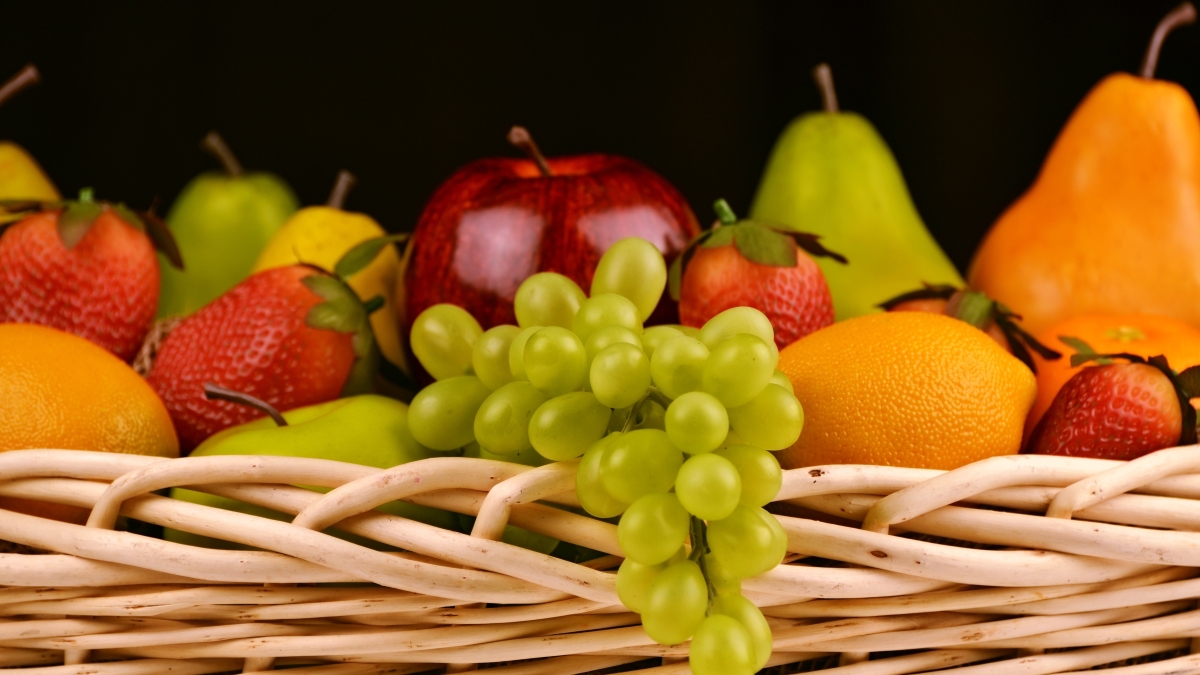
LED lighting technologies offer new solutions for postharvest preservation
A scientific review highlights how LED and ultraviolet light technologies can help extend shelf life, improve quality retention and reduce postharvest losses in fruits and vegetables through targeted light management

Postharvest losses remain a major issue in the fruit and vegetable sector due to physiological deterioration, microbial spoilage and quality decline during storage and distribution.
Light-based technologies, particularly light-emitting diodes (LEDs) and ultraviolet (UV) radiation, are emerging as promising non-thermal and residue-free tools for maintaining product quality after harvest. Their effectiveness is linked to the precise control of wavelength, light intensity and exposure duration.
This review provides a comprehensive assessment of how these technologies influence horticultural crops throughout both preharvest and postharvest stages. The evidence examined demonstrates the role of light in regulating fruit growth and development, photosynthetic activity, metabolism and key molecular pathways associated with quality formation.
The study also explores the capacity of specific light spectra to enhance antioxidant levels and bioactive compounds, extend shelf life, suppress microbial growth, regulate senescence and preserve important sensory and commercial attributes.
Despite these benefits, the authors emphasize that treatment outcomes vary considerably depending on crop species, cultivar, developmental stage and application conditions. This variability continues to limit the development of standardized and predictive preservation protocols.
Unlike previous reviews, this work combines physiological, biochemical and molecular responses associated with different wavelengths alongside practical considerations for commercial adoption. The resulting framework helps identify research gaps, emerging trends and future opportunities for developing crop-specific, scalable and evidence-based preservation strategies that support sustainable postharvest management and reduce food losses across horticultural systems.
Source
Vijeev, A., Basha, S., Nadig, S. S., & Mahato, K. K. (2026). Postharvest preservation of fruits and vegetables by light-emitting diodes. Plant Signaling & Behavior. Taylor & Francis.
Related news

Interpoma Congress to analyse key technologies and markets for the future of apples