Conditioning
Quality and consistency will shape the future of the blueberry industry
Fernando Martino analyses how El Niño, logistics, varietal genetics and postharvest management affect the export competitiveness of Chile and Peru
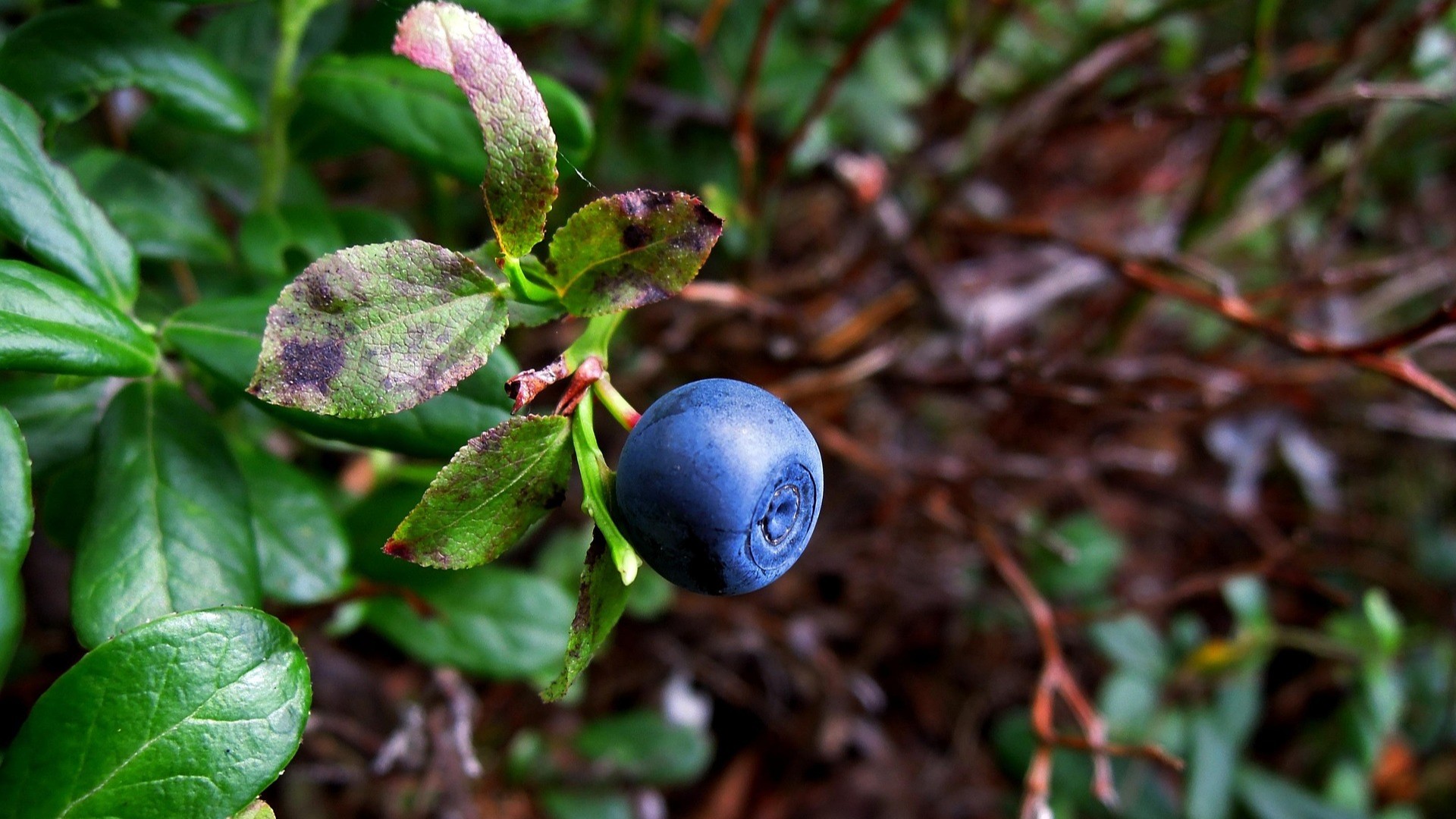
The blueberry industry is going through one of the most challenging and dynamic periods in its recent history. The combination of growing quality requirements, logistics pressure, climate variability and changes in international markets is redefining production and commercial standards in both Chile and Peru, two of the main global players in this category.
In this scenario, factors such as fruit condition, firmness, postharvest life and varietal consistency have become strategic variables for export competitiveness. Added to this is the increasingly evident impact of climate change and phenomena such as 'El Niño', which have generated significant changes in fruit physiology, productivity, quality and postharvest behaviour, affecting commercial windows, agronomic management and performance at destination.
This is the view of Fernando Martino, a specialist in the fruit industry and a technical-commercial reference in the development of the blueberry business in Latin America, who warns that the sector is facing an increasingly demanding scenario, shaped by climate change, extreme weather events and the need to manage the entire value chain with precision.
El Niño and its impact on export supply
According to Martino, the El Niño phenomenon could have a significant impact on Peruvian blueberry production, with a possible reduction in exportable volume, slower shipments, a lower concentration of fruit during peak weeks and an effect on average quality, especially in the second part of the harvest.
In Chile, the impact is expected to be more moderate, although the country could find commercial opportunities if it remains cautious and prioritises shipments of fruit with the right quality conditions. Martino recalls that in previous seasons some of the fruit exported in the final stage of the campaign did not meet the necessary quality levels, affecting both grower returns and the image of Chilean blueberries.
Europe demands firmness, condition and shelf life
The European market remains one of the most demanding destinations for South American blueberries. Firmness, fruit condition and shelf life are decisive aspects, especially due to the time that can pass between the arrival of the product at port and its final consumption.
However, Martino stresses that Europe is also highly price-sensitive. Therefore, competitiveness does not depend only on having fruit with superior genetics, but also on achieving reasonable quality, maintaining good packing percentages at destination and correctly managing the balance between quality, price and commercial risk.
Genetics, postharvest and integrated management
To maintain a stable supply from South America, Martino points to two main lines of work: genetic renewal and integrated operational management. The first requires investment and has a medium-term impact, while the second can deliver more immediate results if properly implemented.
The specialist highlights the importance of proper field management, harvesting at the right time, applying preventive postharvest treatments, cooling the fruit quickly and efficiently, and coordinating shipments under the right conditions and timing. Any failure in one of these processes can trigger economic losses, reputational problems and loss of trust in the markets.
In a more variable and unpredictable climate scenario, Martino believes that the worst response is to continue with the same practices without reviewing the critical points of the chain. In his view, there is less and less room for suboptimal management, especially in distant markets such as Europe.
Martino summarises:
“The greater the climate variability and unpredictability, the worst recipe is to keep doing more of the same, especially if things are not being done well, or worse, if there is no visibility over what is being done suboptimally.”
Logistics and commercial planning
Logistics will be another determining factor in a potentially complex season. Internal delays, rainfall, port disruptions or transport difficulties can compromise commercial results even when there is strong sales planning.
Martino points out that poor logistics management can ruin a good commercial plan if the fruit does not arrive in the right conditions and at the right time. In this regard, the preparation of importers and supermarkets will also be key, as many operators are anticipating possible scenarios and looking for alternatives to ensure the fulfilment of their programmes.
An increasingly clear competitive difference
For Martino, the competitive difference between companies will become increasingly evident. Those that manage quality, postharvest and logistics in an integrated way will be better prepared to respond to distant markets and extreme climate scenarios.
Martino, warns:
“There is less and less room for error in suboptimal management. What is under our control is how optimally we manage operations throughout the entire chain, with a systemic view.”
This is especially relevant when working with distant and demanding markets such as Europe. Under adverse conditions, management errors are amplified and can lead to a significant loss of value at destination.
The blueberry industry is therefore entering a stage in which producing fruit will no longer be enough. Competitiveness will increasingly depend on the ability to deliver consistent, firm blueberries with good shelf life.
Source: Myblueproject
Related news

Interpoma Congress to analyse key technologies and markets for the future of apples