Conditioning
Postharvest ethylene treatments enhance apricot softening after cold storage
A study involving ten apricot cultivars shows that ethylene application after cold storage promotes fruit softening without significantly affecting sugars acidity or color although the response varies according to cultivar and harvest maturity stage
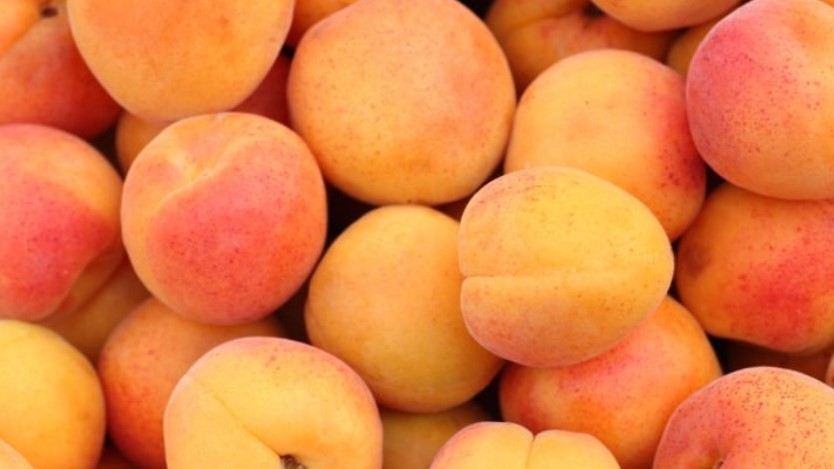
Ethylene as a tool to improve apricot market quality
Apricot is one of the most delicate stone fruits from a postharvest perspective due to its rapid ripening after harvest and its high susceptibility to mechanical damage and decay throughout the supply chain This often forces growers and marketers to sell tree-ripened fruit locally while fruit intended for distant markets is harvested at earlier maturity stages
Although early harvesting facilitates logistics and extends storage potential it frequently results in firmer fruit with lower sweetness and less attractive coloration compared with tree-ripened apricots
Assessing ethylene application after cold storage
To improve fruit quality at the point of sale researchers from Agroscope in Switzerland evaluated the effect of ethylene treatments applied after cold storage taking advantage of the hormone’s key role in apricot ripening
The study included ten cultivars grouped according to their DA-index maturity level Fruits were stored for seven days at 1 °C and subsequently exposed to 1000 μL L⁻¹ ethylene during two days of shelf life at 20 °C
Results were compared with fruit stored at 1 °C and 8 °C followed by two days of shelf life without ethylene treatment
Improved softening without major changes in quality attributes
Ethylene treatment promoted fruit softening in both maturity groups confirming its role in ripening regulation However the magnitude of the response differed among cultivars highlighting the importance of genetic factors
In contrast total soluble solids acidity and peel color were only minimally affected by either ethylene treatment or storage temperature indicating that these quality traits are less responsive to postharvest ethylene exposure
Harvest maturity remains a key factor
The study highlights that harvest maturity and cultivar characteristics remain the main determinants of final eating quality Although ethylene improved fruit softening it did not increase sugar content or alter acidity two attributes closely linked to consumer acceptance and flavor perception
Fruit stored at 8 °C also showed higher decay incidence than fruit stored at 1 °C and later treated with ethylene emphasizing the importance of proper temperature management during storage
Opportunities for commercial application
The findings suggest that postharvest ethylene treatment may offer a practical option to optimize apricot texture before marketing particularly for supply chains involving extended transport periods However successful implementation will require cultivar-specific management and careful control of harvest maturity
Source
Gabioud Rebeaud, S., Dayer, C., Cotter, P. Y., & Christen, D. (2026). Impact of postharvest ethylene treatment on apricots. Acta Horticulturae, 1450, 133-140. CABI Digital Library.
.jpg)