Processing
Low-temperature plasma preserves the nutritional quality of minimally processed corn
A study shows that low-temperature plasma delays nutrient and antioxidant losses in minimally processed corn while preserving color texture and overall quality during refrigerated storage
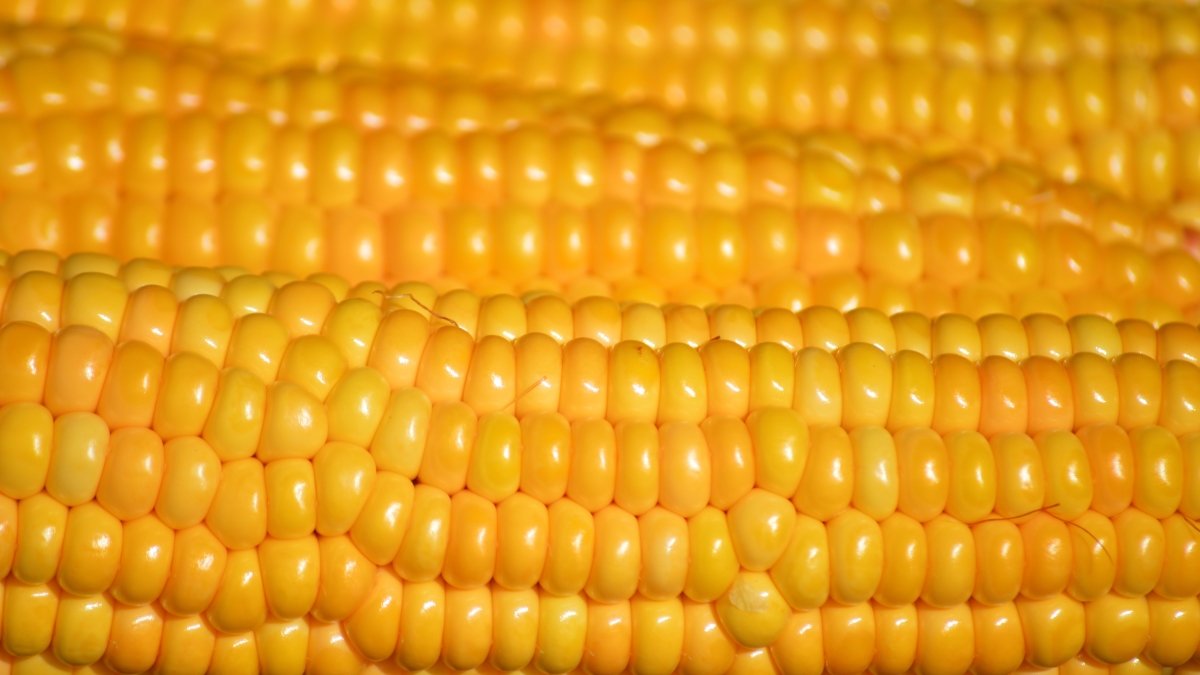
A sustainable approach to extend fresh corn quality
Fresh corn is widely valued for its nutritional content and health-promoting bioactive compounds However minimal processing operations required for commercialization and convenience often damage kernel structure leading to surface browning nutrient degradation and reduced antioxidant activity factors that limit shelf life and market value
To address these challenges researchers evaluated the potential of low-temperature plasma as a postharvest technology capable of preserving both sensory and nutritional quality in minimally processed corn
Assessing dielectric barrier discharge plasma during storage
The study employed dielectric barrier discharge low-temperature plasma technology a green and increasingly promising approach for food preservation applications
Corn samples were stored under standard commercial conditions at 4 °C and 85 % relative humidity for 0 4 8 and 12 days allowing researchers to monitor quality changes throughout storage
Parameters related to texture color nutritional composition lipid oxidation and antioxidant capacity were analyzed to determine the effectiveness of the treatment
Improved preservation of texture color and bioactive compounds
Results showed that low-temperature plasma effectively maintained texture and color characteristics compared with untreated samples The treatment also significantly slowed nutritional degradation and lipid oxidation processes associated with quality loss
Among the evaluated conditions a treatment power of 50 W delivered the best overall performance
After 12 days of storage samples treated at this power exhibited 35 % higher α-amylase activity than the control group while total soluble solids increased by 16 % and total phenolic content by 37 %
Enhanced antioxidant protection throughout storage
One of the most significant findings was the positive impact of plasma treatment on antioxidant systems Total antioxidant capacity increased by 32 % compared with untreated samples while antioxidant enzyme activities remained consistently higher throughout the entire storage period
These results suggest that the technology not only delays nutrient losses but also helps maintain the natural defense mechanisms that protect product quality during storage
Opportunities for sustainable food processing
According to the researchers low-temperature plasma offers considerable potential as a sustainable preservation technology for minimally processed foods By maintaining nutritional and sensory quality while reducing spoilage it could contribute to lower food waste and support the development of greener food processing systems
Source
Guo, T., Xu, W., Peng, Z., Li, L., Gao, Y., Di, J., Pavlić, B., Zhao, F., & Ban, Z. (2026). Low-temperature plasma (LTP) delays the nutrient loss of minimally processed corn. Postharvest Biology and Technology. ScienceDirect.
.jpg)