Conditioning
Postharvest handling determines Hass avocado quality during storage and distribution
A scientific review examines the main factors affecting Hass avocado quality after harvest and outlines the physiological and physical disorders that may develop during transport storage and commercial ripening influencing market value
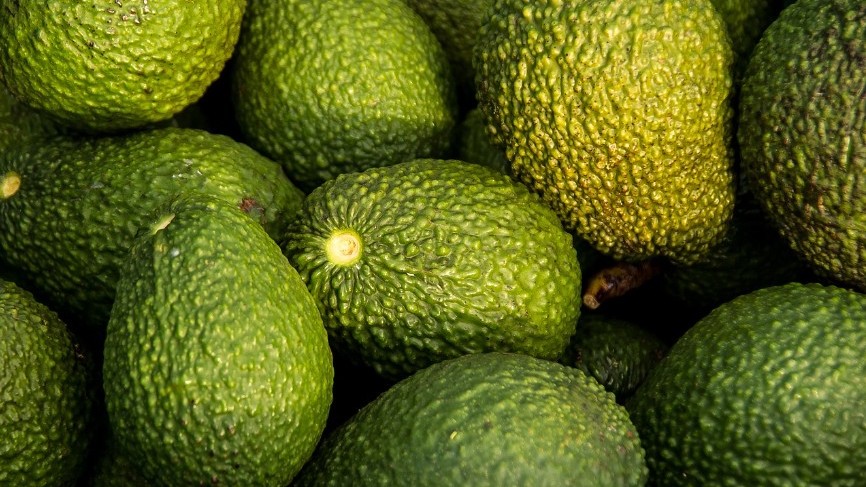
Hass avocado (Persea americana Mill.) is one of the most important varieties in global fruit trade and is produced in numerous countries to supply international markets. Consistent fruit quality is essential to meet commercial standards and maintain consumer satisfaction.
Fruit quality is typically assessed at different stages of the supply chain. The first evaluation usually occurs when avocados arrive at the importing destination, while the fruit remains firm, green-skinned and unripe. A second assessment is conducted after ripening, either at distribution centres or by end consumers.
Throughout the postharvest period, fruit quality may decline due to a range of factors. These disorders can originate from physical, physiological or pathological causes, with their impact varying according to storage, transport and handling conditions.
The review highlights that physiological and physical disorders are among the most significant quality challenges affecting the avocado industry. Understanding the biological processes behind these defects can support better postharvest management practices and reduce commercial losses.
The study provides a comprehensive overview of postharvest quality issues in Hass avocado and examines how postharvest conditions influence the final quality delivered to the market.
Source
Burdon, J. (2026). Postharvest Quality and Disorders of ‘Hass’ Avocado Fruit. New Zealand Institute for Bioeconomy Science Limited, Plant & Food Group. New Zealand Journal of Crop and Horticultural Science. Wiley.