
Xeda International
Packaging
Five decades of technological evolution at the service of postharvest preservation
Xeda International and Xeda Iberica celebrate their milestone anniversaries by consolidating a pioneering legacy in thermonebulization, biocontrol, and sustainable coatings for fruits and vegetables
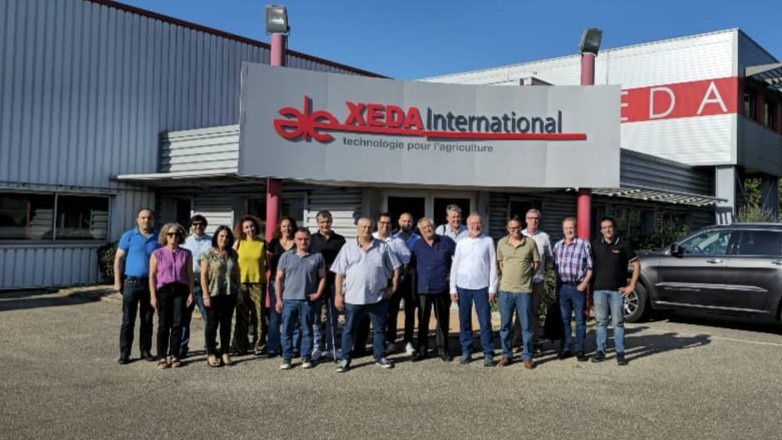
In a sector as demanding as the fruit and vegetable industry, where quality and preservation make the difference, few companies can boast a trajectory as solid and innovative as Xeda International. Since its foundation in 1976, the company has been the protagonist of an authentic technological transformation in the field of postharvest.
Born in Chesnay, near Versailles, by the hand of Xénophon Papadopoulos, Carmelo D’Urso, and Alberto Sardo, Xeda began developing solutions for the treatment of fruits such as apples and citrus, as well as specialized machinery for their application and conditioning of fruits. Very soon, its capacity for innovation and its industrial vision driven rapid growth, especially in the development of mechanization projects in France, Greece, and Italy.
After overcoming a complex stage in the early 80s, the company resurged with strength in 1984, initiating an expansion phase that would mark its identity.
It was then when Xeda International bet on Spain and thus in 1986 acquired Nutea with the objective of developing the same products as in France and Italy.
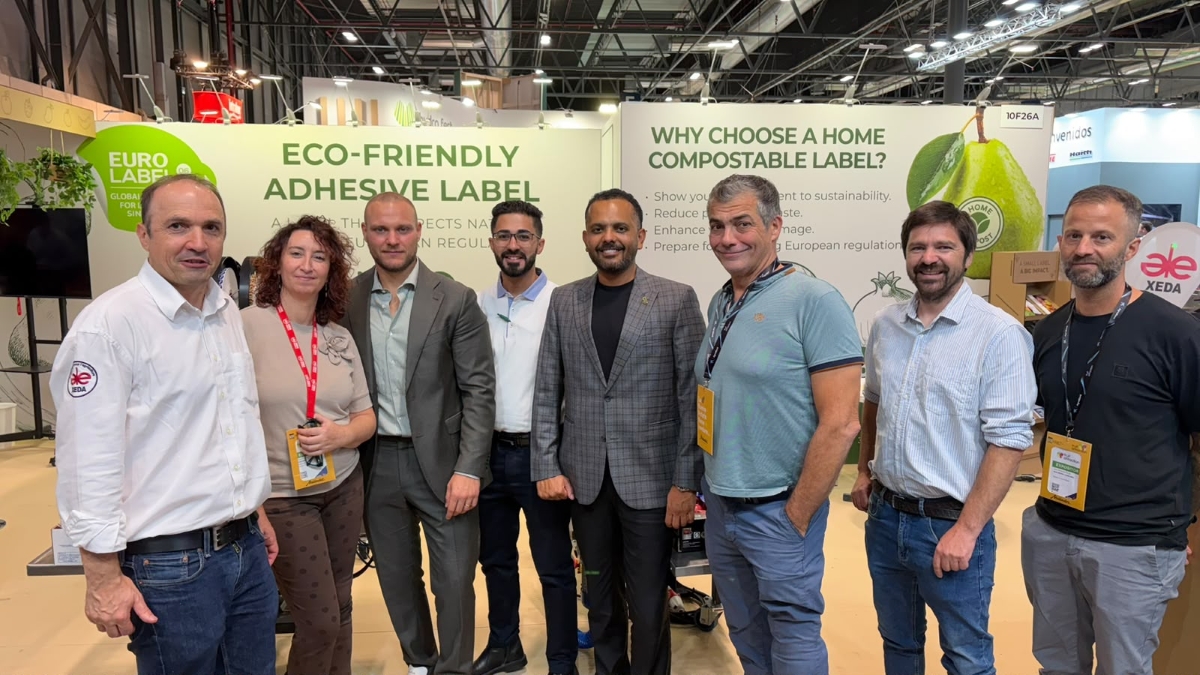
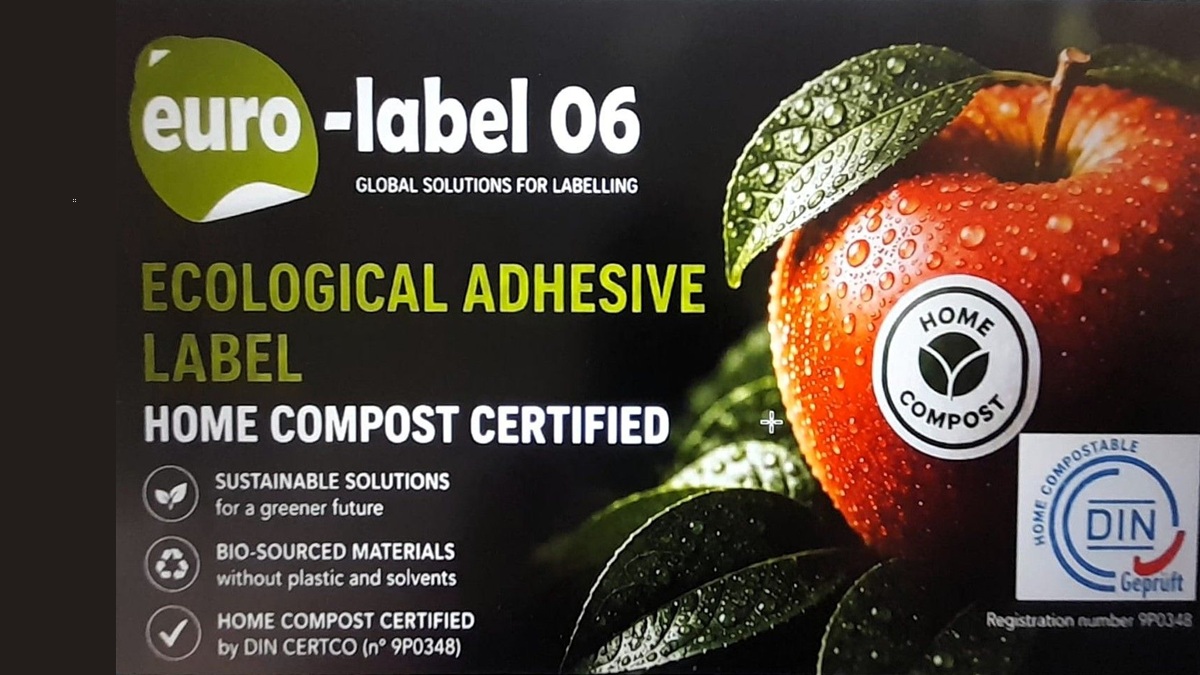
IN 1988 Xeda had the exclusive distribution for Europe of the labels and labeling machines of ETMA (Morocco), the first company to introduce individual fruit labeling, participating in a small part of it. Thus Eurolabel was born, which in 2012 Xeda will acquire in its entirety.
One of the great milestones of Xeda was the commitment to thermonebulization, a revolutionary technology that allowed the application of fungicide and anti-scald treatments directly in preservation rooms, optimizing efficacy and reducing water use. This advance, together with the development of the Electrofog® electric thermonebulizer, represented a paradigm shift in postharvest management.
But if something has defined Xeda over time, it has been its advanced vision toward sustainability. Since the late 80s, the company has bet on solutions based on essential oils and physical methods such as thermotherapy, anticipating current regulatory and environmental demands. Already at that time, two hot water machines were installed in Spain and Turkey for citrus. Around twenty machines are active today in France and Italy for treating apples without the need to use chemical products.
International expansion continued with entry into markets such as Turkey, where Universal Ltd became a distributor. In 1995, Xeda moved its headquarters to Saint Andiol, where it built facilities for the manufacture of products and the production of labels.
In 2003, the company participated in the American company Pace International, subsequently establishing a license agreement (2007–2022) that facilitated the adoption of thermonebulization as the main method for the application of fungicides in apple preservation rooms in the United States.
In 2008 Xeda Italia was created, the field biocontrol subsidiary allowing Xeda International to transfer its knowledge in phytosanitary production and natural nutritional products toward preharvest. That same year, Xedavir® was registered and launched, the group's first biofungicide for the control of soil diseases based on TV1.
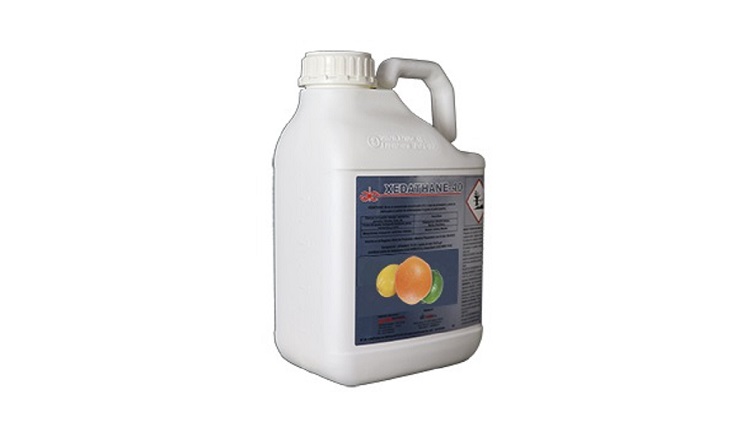
A year later, another innovative solution was also developed; it was a natural shellac wax dissolved in food-grade alcohol for the protection of apples. This solution gave them an incomparable shine and a magnificent preservation in export shipments without the need to use bags or other solutions. Both this Xedasol L® wax and its Biowaxer® application machine also obtained their patent.
In 2012, Xeda obtained the European registration of two essential oils with phytosanitary use, highlighting spearmint oil (potato sprout inhibitor) and clove oil (fungicide for pome fruit). The product BioxM® reached its greatest commercial success in 2020 after the withdrawal of synthetic alternatives by the European Commission.
In 2016 Xeda ZA was created in South Africa, and in 2021 the group was reorganized: Nutea was renamed Xeda Ibérica, while Cedax was integrated into Xeda Italia as a key part of the preharvest area.
In 2022 Xeda Chile was founded, initially to meet the demand for labels and subsequently to introduce the entire range of products into the Chilean market.
Currently, Xeda is developing an ambitious research program focused on the use of food-grade essential oils for fruits and vegetables, both in the field and postharvest, reinforcing its commitment to sustainability and strict international regulations.
With a presence in 32 countries, Xeda International is a world leader in the knowledge and application of terpenes, and maintains collaboration agreements with important Japanese companies such as Mitsui and Sumitomo Chemicals.
After five decades of constant growth, innovation, and adaptation, the Xeda group continues to advance thanks to its commitment to R&D&i, its independence, and its human team.
This year we proudly celebrate 50 years of Xeda International and 40 years of Xeda Ibérica.
Xeda International