
Xeda International
Packaging
Compostable labels for fruit and vegetables compared with traditional labels
Xeda International examines the differences between compostable and conventional labels in terms of cost, environmental impact and performance in the fruit and vegetable supply chain
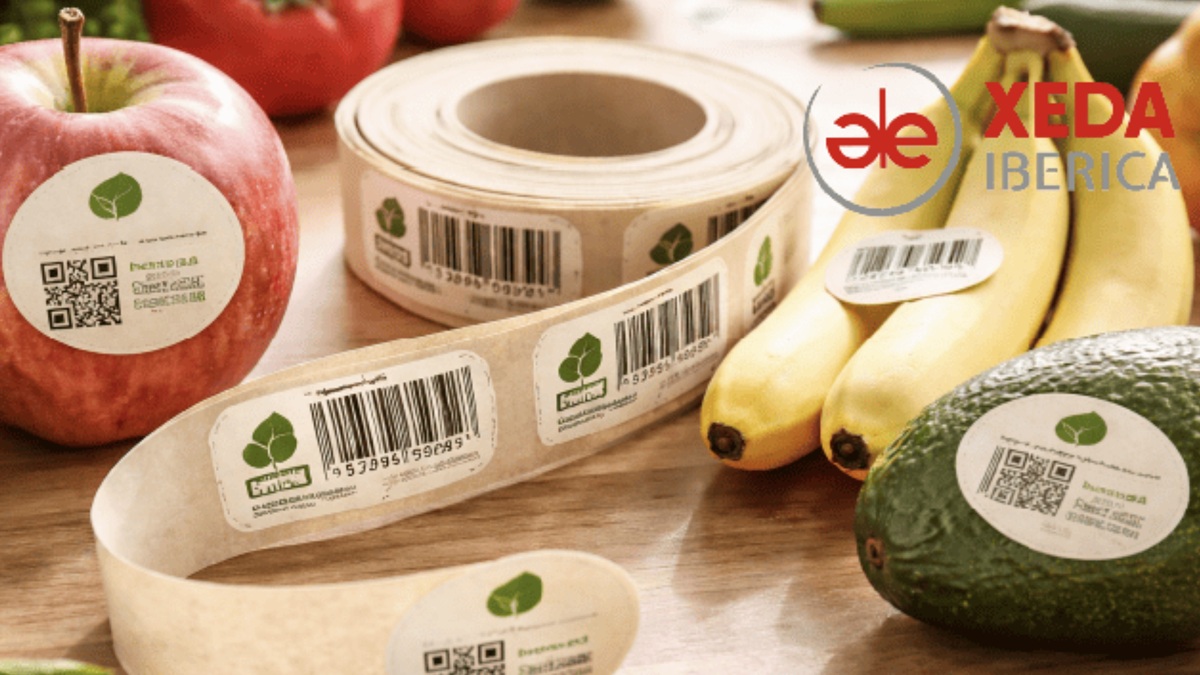
Sustainability has become an increasingly relevant factor in the fruit and vegetable sector. Producers, distributors and retailers are seeking to reduce plastic use and improve waste management throughout the supply chain. In this context, Xeda International examines the role that compostable labels for fruit and vegetables may play as an alternative to traditional labels used for product identification.
Before adopting this type of solution, many companies in the sector consider how both systems compare in aspects such as cost, environmental impact and performance under the usual handling and distribution conditions.
What are traditional labels
Traditional labels are usually made from treated paper or plastic-based materials, together with conventional adhesives and inks. Their main function is to identify the product, facilitate traceability and provide information to consumers.
However, they present an important drawback from an environmental perspective: they do not easily decompose. When fruit or vegetables are discarded together with their labels in organic waste, the labels can become plastic residues or interfere with the composting process.
What are compostable labels
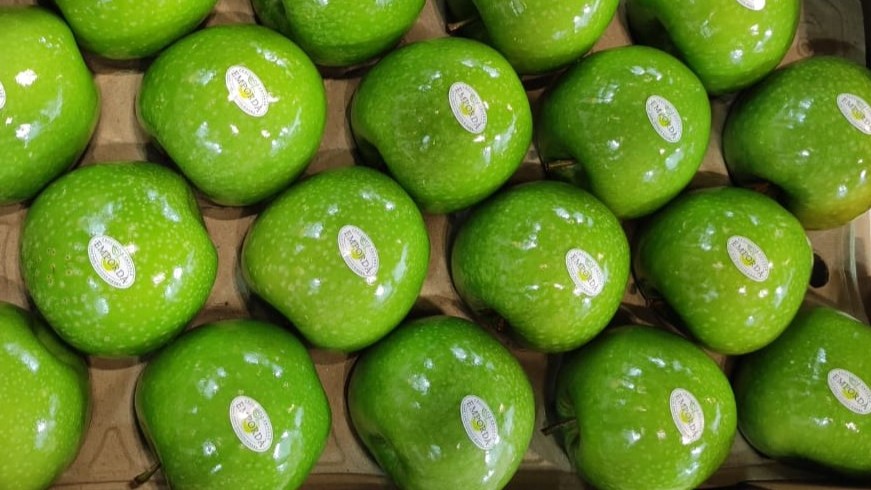
Compostable labels are designed to break down together with organic waste during the composting process. To achieve this, they are produced using plant-based materials, compostable adhesives and inks formulated for these types of applications.
Many of these solutions carry specific certifications confirming their ability to decompose in composting facilities, making them an alternative aligned with circular economy strategies and waste reduction.
Cost, environmental impact and performance comparison
Cost
Traditional labels are usually less expensive because their production is highly optimized. Compostable labels may have a slightly higher cost as they require specific materials and environmental certifications.
However, the price difference has decreased in recent years thanks to increased demand and the development of new manufacturing technologies.
Environmental impact
The environmental impact is where one of the main differences between the two options can be observed. Traditional labels can generate plastic waste and complicate the treatment of organic residues.
Compostable labels, on the other hand, are designed to integrate into the composting process, helping to reduce contamination and facilitating the management of organic waste.
Performance
For many years, compostable labels were considered to offer lower performance than traditional labels. However, advances in materials have made it possible to develop solutions that perform effectively in the fruit and vegetable sector.
Today, many compostable labels provide good adhesion, resistance to moisture and compatibility with the logistical requirements of the supply chain.
Compostable labels are therefore emerging as an increasingly viable alternative to conventional labelling, particularly for companies seeking to reduce their environmental impact and adapt to new market demands.

Xeda International