
Xeda International
Packaging
Labeling That Protects Your Brand Across the Cold Chain
Xeda focuses its solutions on a critical post-harvest point: ensuring the label adds value, traceability, and sustainability without failing under humidity, condensation, and high line speeds
.jpeg "Xeda focuses its solutions on a critical post-harvest point: ensuring the label adds value, traceability, and sustainability without failing under humidity, condensation, and high line speeds")
In post-harvest operations, labels are often applied late in the packing workflow and yet they have a highly visible impact on the final result. They must continue to perform their function after the product has already gone through pre-cooling, cold rooms, temperature shifts, and intensive handling. It is precisely along this journey that the failures most costly to a packing facility tend to appear.
Adhesion suffers when the product surface arrives with moisture or condensation, or after treatments such as waxes and coatings. At the same time, code readability deteriorates due to friction with boxes, belts, or brushes. As a result, what appears acceptable in a dry, stable environment can, under real operating conditions, end up as shifted, wrinkled, or peeling labels—and as codes that cannot be read reliably.
The impact is practical and measurable: it forces relabeling, creates stoppages and rework, increases handling and shrink, and weakens unit-level traceability precisely when it is most needed—whether the operator is working with a private label or packing for customers and export programs that demand consistency, fast scanning, and compliance.
Xeda Ibérica’s approach and how it translates into technical decisions
Xeda’s proposal starts from a simple idea—one that often makes the difference in a packing house: a label should not be selected for its appearance, but for its compatibility with the process. Performance depends on the condition of the product surface, the application environment (temperature, relative humidity, and thermal fluctuations), the material-and-adhesive combination, and the durability of the print as each unit is handled and moves through the line.
With this approach, Xeda develops labeling solutions for fruit and vegetables designed to identify the product and support traceability, including formats that integrate codes to expand information or connect with internal systems. These solutions are tailored to the common needs of growers, packing facilities, exporters, and distributors—where the goal is for labeling to stop being a recurring source of incidents and become a stable part of the packing flow.
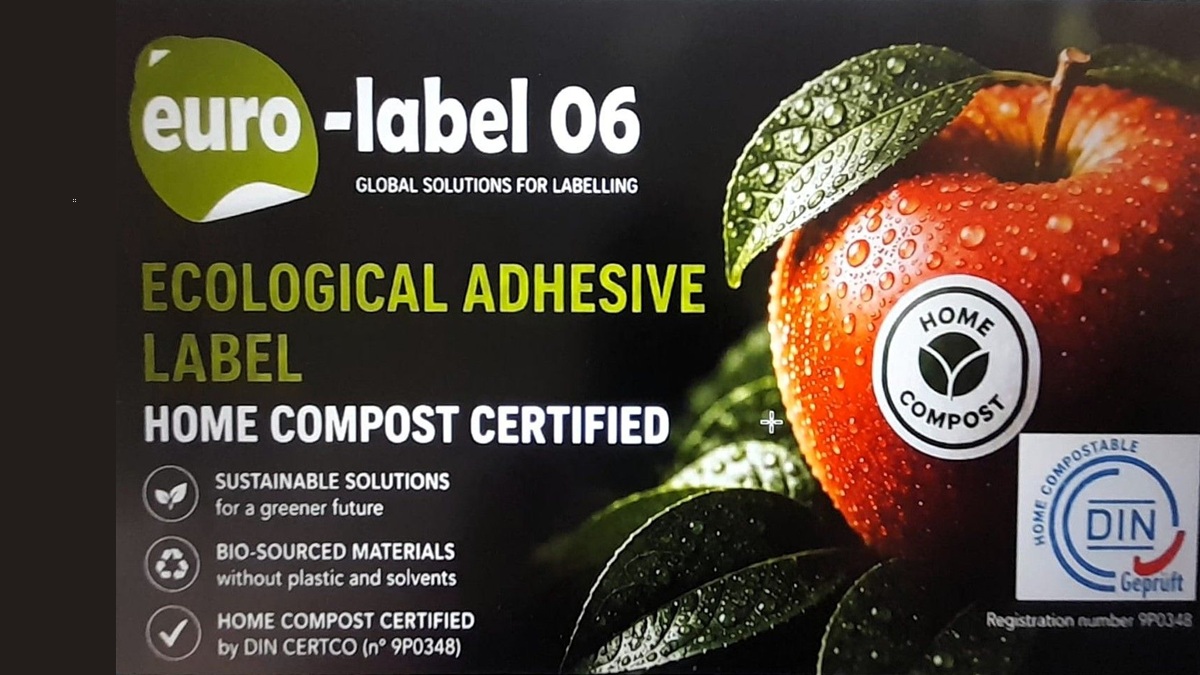
In practice, this means working with specifications and validation under real conditions: tests in cold rooms and during handling, and criteria that combine functionality and sustainability. Because a lower-impact material only adds value if it maintains performance, prevents reprocessing, and reduces waste—an effective way to address labeling when the goal is operational efficiency as well as presentation.

Xeda International