Conditioning
Storage temperature shapes firmness loss in peaches and nectarines after harvest
A study investigates how storage temperature affects cell wall metabolism and firmness loss in two Prunus persica cultivars. The findings reveal biochemical mechanisms that could support cultivar-specific postharvest storage strategies
Temperature influences cell wall degradation
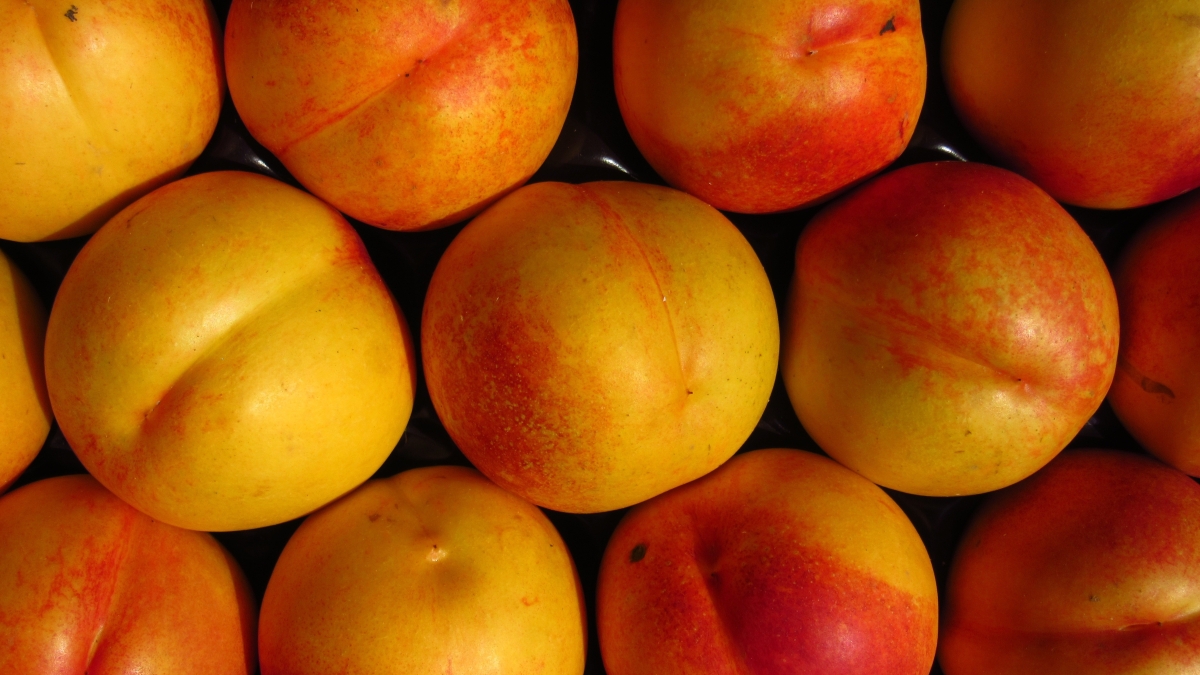
Researchers have examined how different storage temperatures affect firmness loss in two Prunus persica cultivars: ‘Rich Lady’ peach and ‘Big Top’ nectarine. The objective was to better understand the cell wall modifications that occur after harvest and how these processes respond to storage temperature.
Commercially mature fruit were stored for up to five weeks at 20, 12, 4 and −1 °C, including near-freezing conditions. All analyses were performed in triplicate, and the data were integrated using a partial least squares regression (PLSR) model to relate biochemical changes to firmness loss.
The results showed that refrigerated storage significantly delayed fruit softening. A marked reduction in covalently bound pectins was also closely associated with the progressive loss of firmness in both cultivars.
Pectin-modifying enzymes play a central role
According to the study, enzymes involved in removing pectin side chains, particularly α-L-arabinofuranosidase, appear to trigger the early stages of cell wall disassembly. Their activity increases substrate accessibility for other enzymes that degrade the pectin backbone, promoting the softening process.
Although pectin side-chain removal was a common mechanism in both cultivars, the contribution of other cell wall-modifying proteins differed between varieties, suggesting cultivar-specific responses during postharvest storage.
Supporting cultivar-specific storage strategies
The authors conclude that these findings provide valuable biochemical evidence for developing storage protocols tailored to individual peach and nectarine cultivars. A deeper understanding of firmness loss mechanisms may help extend postharvest life while preserving fruit quality throughout distribution.
Source
Lara, I., & Ortiz, A. (2026). Dissecting Temperature-Dependent Variations in Cell Wall Metabolism and Firmness Loss During Postharvest Storage of Two Melting-Type Prunus persica Cultivars. Horticulturae, 12(7), 864. https://www.mdpi.com/2311-7524/12/7/864
Related news