Conditioning
Pyruvate delays postharvest physiological deterioration in cassava
A new study shows that exogenous pyruvate effectively delays postharvest physiological deterioration in cassava. The treatment enhances antioxidant defenses, regulates energy metabolism and coordinates hormone signaling to preserve root quality
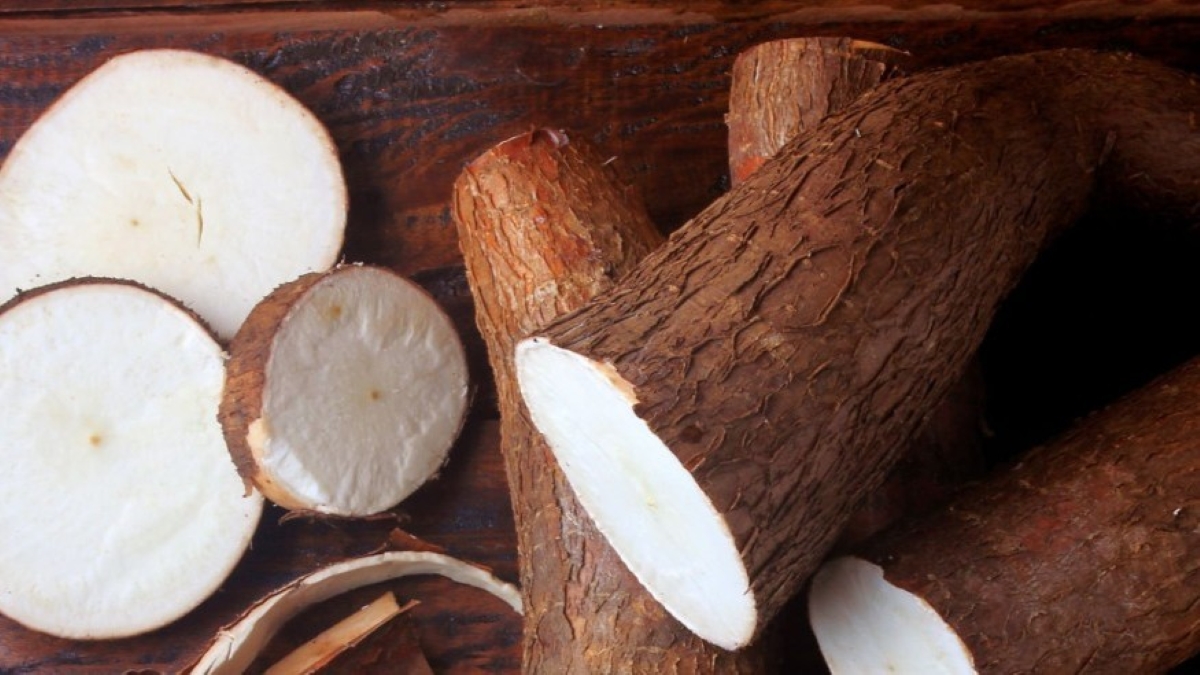
Pyruvate (PA), a central metabolite in plant metabolism, plays an essential role in maintaining postharvest quality. However, its potential to delay postharvest physiological deterioration (PPD) in cassava had not previously been investigated.
In this study, researchers demonstrated that exogenous pyruvate significantly delayed PPD in fresh-cut cassava in a concentration-dependent manner. The protective effect was independent of pH changes, indicating that pyruvate itself was responsible for the observed response.
A 5% pyruvate treatment completely prevented browning for 48 hours and was therefore selected for detailed mechanistic analyses.
Improved antioxidant protection
Pyruvate treatment reduced the accumulation of reactive oxygen species, including hydrogen peroxide (H₂O₂) and superoxide radicals (O₂•−), while also lowering malondialdehyde (MDA), an indicator of oxidative damage.
Although superoxide dismutase (SOD) activity decreased, pyruvate significantly increased catalase (CAT) and ascorbate peroxidase (APX) activities. It also enhanced the AsA/DHA and GSH/GSSG ratios, demonstrating a substantial improvement in cellular redox homeostasis and antioxidant capacity.
Metabolic and genetic regulation
Metabolomic analysis identified 1,451 differentially accumulated metabolites, while transcriptomic profiling revealed 16,926 differentially expressed genes following pyruvate treatment.
The most significantly enriched pathways included pyruvate metabolism, the tricarboxylic acid (TCA) cycle, glutathione metabolism, and cutin, suberin and wax biosynthesis.
Network analysis identified 11 key metabolites and 30 genes involved in carbohydrate and energy metabolism. Five core genes—LDHB, SIR1, PK, FBA2, and G6PD—were highlighted as potential molecular targets for improving cassava postharvest preservation.
Hormone signaling contributes to delayed deterioration
Beyond its metabolic effects, pyruvate also regulated the expression of 29 genes involved in jasmonic acid, ethylene, abscisic acid and salicylic acid signaling pathways.
The treatment stabilized JA-Ile accumulation, helping coordinate multiple stress-response mechanisms and ultimately delaying postharvest physiological deterioration.
The authors conclude that exogenous pyruvate represents a promising strategy for extending cassava shelf life and provides valuable molecular targets for developing more precise postharvest preservation technologies.
Source
Che, Y., Shen, C., Lu, X., Ding, Z., Zhou, Y., Zhou, Q., Liu, J., Wang, Y., Guo, J., Yao, Y., Fernie, A. R., & Li, R. (2026). How pyruvate postpones postharvest physiological deterioration of cassava. Postharvest Biology and Technology. https://www.sciencedirect.com/science/article/abs/pii/S0925521426003923
Related news