Processing
Smart Mushroom Cultivation: AI, Sensors, and Robotics for Next-Generation Production
AI, sensors, and robotics optimize mushroom cultivation, improving yield, quality, and sustainability.
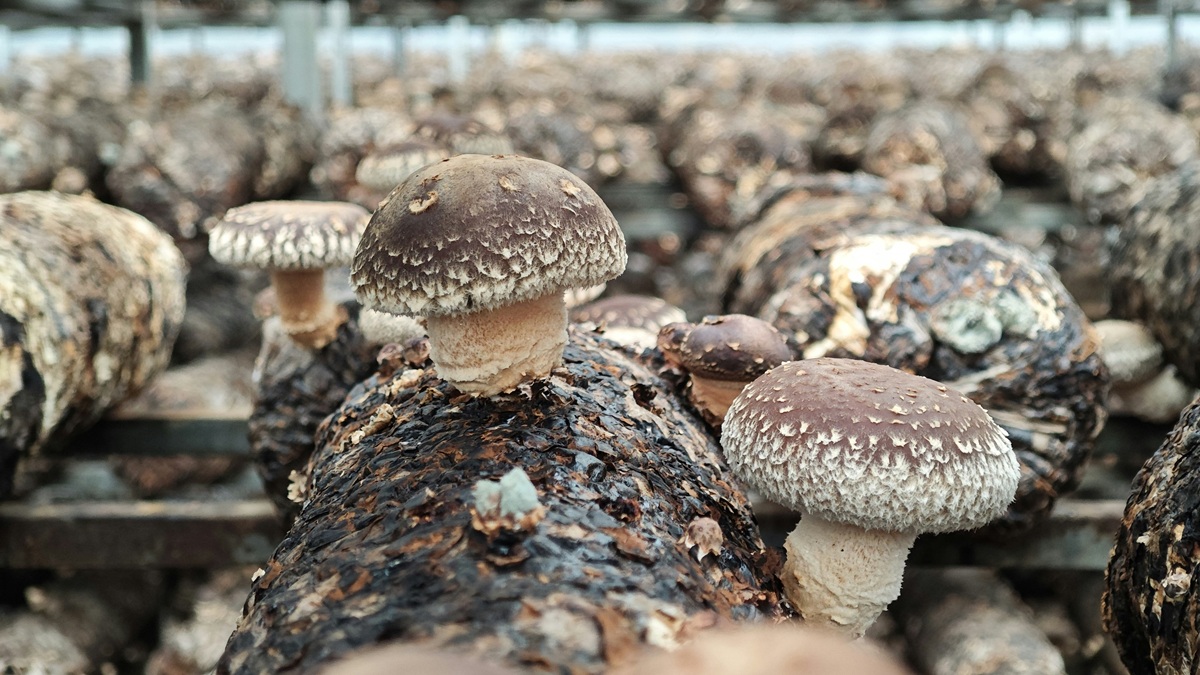
Mushroom cultivation represents one of the most technologically advanced forms of controlled-environment agriculture; in recent years, it has evolved toward production models underpinned by smart agriculture. Beyond their recognized nutritional and culinary value, mushrooms are high-value commercial products; however, preserving them poses a significant challenge due to their short shelf life and rapid post-harvest quality degradation. In this context, digital technologies are emerging as strategic tools to enhance production efficiency, optimize quality, and advance toward more sustainable cultivation systems.
Study Scope
This study examines 114 scientific publications focused on the integration of sensors, the Internet of Things (IoT), computer vision, artificial intelligence, robotics, and hyperspectral imaging across various stages of mushroom production. The analysis compares the application of these technologies based on the cultivated species, agronomic operations, and data acquisition and processing methods, thereby identifying key innovation trends within the sector.
Key Findings. The results indicate that computer vision leads applications related to growth monitoring, grading, and process automation, while sensor networks and hyperspectral imaging stand out for their utility in environmental condition control, non-destructive quality assessment, and early disease detection. Furthermore, major innovations are concentrated on commercially significant species, particularly *Agaricus bisporus*, *Pleurotus ostreatus*, and *Lentinula edodes*. The study also highlights the growing adoption of deep learning models in computer vision systems, whereas hyperspectral applications continue to rely primarily on conventional machine learning algorithms.
Perspectives
Identified development opportunities include the integration of sensors and imaging for automated crop monitoring, the improvement of perception systems for harvesting robots, the use of portable hyperspectral devices for quality control, and the implementation of digital twins capable of simulating and optimizing farm operations. Overall, the review highlights that the convergence of artificial intelligence, IoT, robotics, and advanced data analytics is shaping a new generation of mushroom production systems that are more automated, efficient, and sustainable.
Technical findings
- A systematic review of 114 scientific publications on the digitalization of mushroom cultivation.
- Computer vision is the most widely adopted technology, appearing in 63 studies, primarily for growth monitoring, classification, and automation.
- IoT sensors are mainly used for environmental control during cultivation, whereas hyperspectral imaging stands out in post-harvest quality control and disease detection.
- The species with the most advanced technological development are *Agaricus bisporus* (43.9%), *Pleurotus ostreatus* (33.3%), and *Lentinula edodes* (13.2%).
- Deep learning dominates computer vision applications, while hyperspectral imaging continues to rely largely on conventional machine learning techniques.
- Four innovation priorities are identified: automatic monitoring via IoT and imaging, visual perception for harvesting robots, portable hyperspectral imaging tools, and the development of digital twins for smart mushroom farms.
The study concludes that the integration of data, sensors, artificial intelligence, and robotics forms the technological foundation for the next generation of commercial mushroom farms.
Source:
Yang, Kai y Argyropoulos, Dimitrios. (2026).
Towards Smart Mushroom Farming: A comprehensive review of data, sensors, robotics and artificial intelligence. Smart Agricultural Technology, 14, Artículo 102129.
https://doi.org/10.1016/j.atech.2026.102129
Image: Unsplash
Related news