Conditioning
New strategies against postharvest diseases in pepper
The review analyzes recent strategies for controlling postharvest diseases in pepper using biological agents, natural compounds, physical treatments, and packaging technologies, highlighting the importance of integrated and sustainable approaches to improve quality and reduce residues
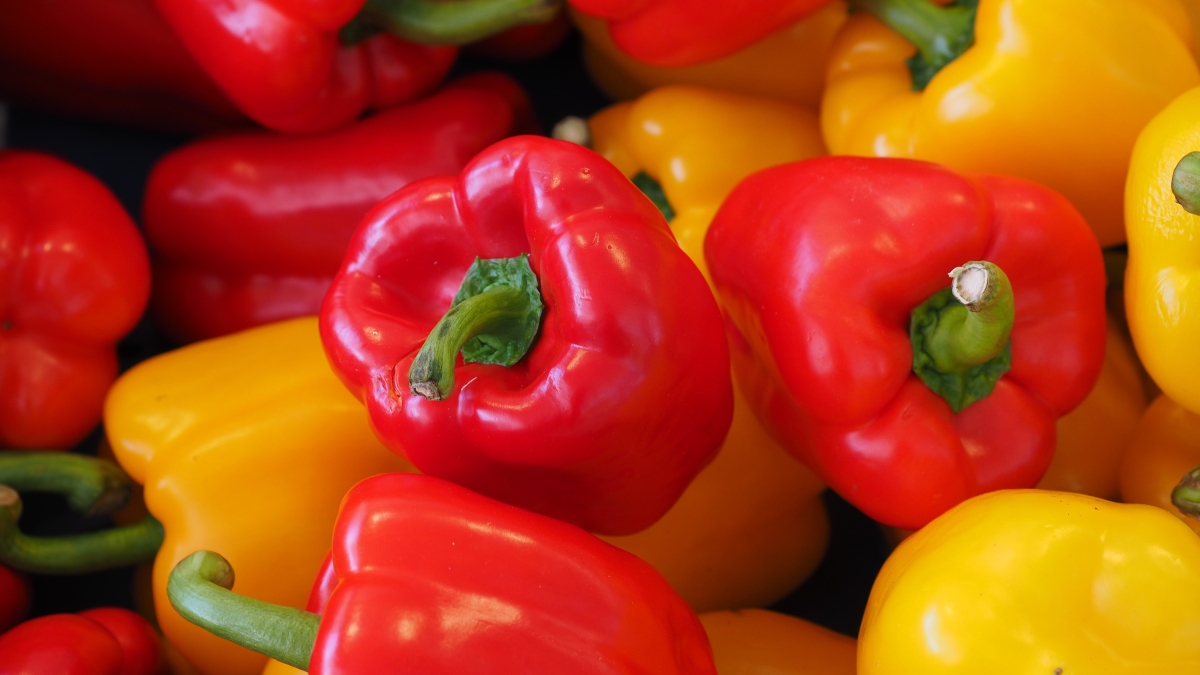
Postharvest diseases in bell pepper (Capsicum annuum L.) cause major economic losses and negatively affect product quality throughout the supply chain. Conventional disease control has relied heavily on synthetic fungicides, but increasing concerns regarding chemical residues, environmental impact, and pathogen resistance have encouraged the search for more sustainable alternatives.
This review gathers recent advances in the management of postharvest pathogens in pepper and critically evaluates the effectiveness and mechanisms of different control strategies. These include biological control agents such as antagonistic bacteria, fungi, and yeasts, as well as plant-derived natural compounds including extracts, essential oils, and GRAS salts.
The study also examines physical treatments used to control postharvest diseases, including hot water, irradiation, ozone, and modified atmosphere packaging, together with innovative packaging technologies designed to improve fruit preservation and protection.
The analysis highlights the growing importance of Integrated Postharvest Disease Management (IPDM) approaches, which combine different methods with synergistic effects to improve efficacy, reduce residues, and delay resistance development in pathogens. Recent studies further demonstrate how these treatments influence both host physiological defenses and pathogen biology at the molecular level.
Although sustainable alternatives show promising results, challenges remain regarding large-scale application, consistent performance under commercial conditions, and compliance with regulatory requirements. The review identifies current knowledge gaps and future research priorities, emphasizing the need for robust, economically viable, and sustainable strategies aligned with consumer demand for safe and environmentally friendly produce.
Source
Akpafi, L. M., He, W., Li, G., Zhu, C., Wu, M., & Wang, Y. (2026). Managements of postharvest diseases in pepper: A review of recent research. ScienceDirect.
Related news
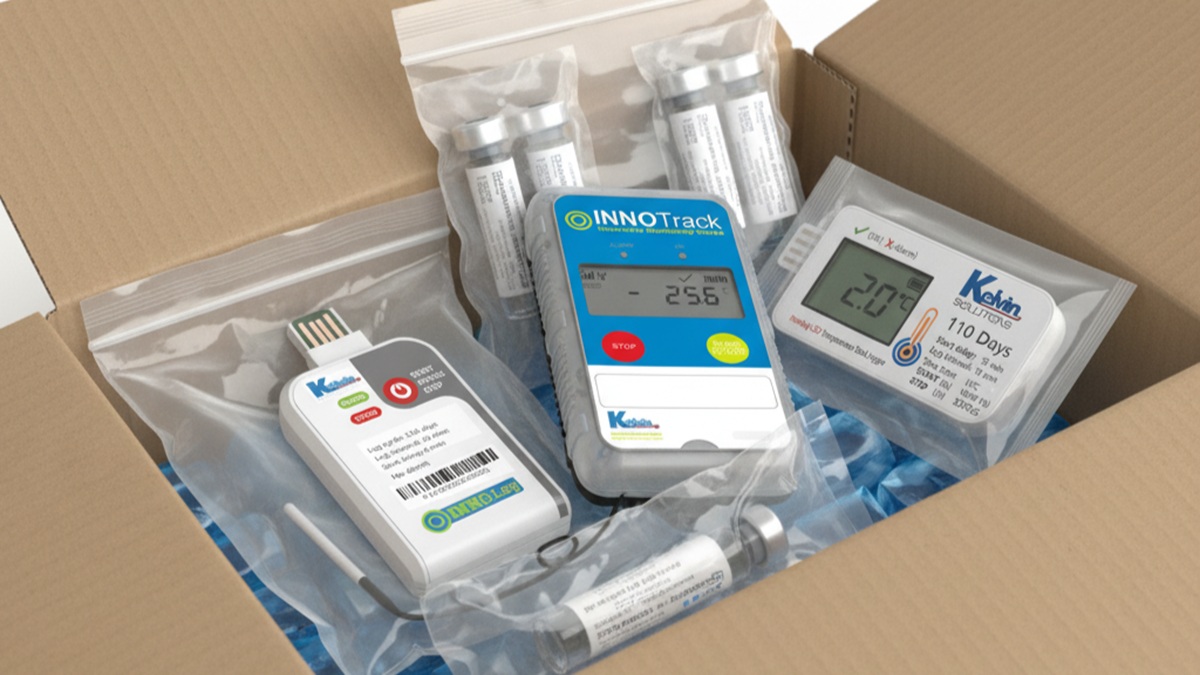
Thermal traceability without reverse logistics in sensitive transport

The 24th IRTA postharvest technical conference addresses how to adapt fruit storage to a scenario with fewer tools and higher demands