Conditioning
UV-B and UV-C treatments improve postharvest quality and aroma of nectarines
A new study compares UV-B and UV-C irradiation in nectarines during cold storage, showing that both treatments reduce quality losses while enhancing different aroma profiles
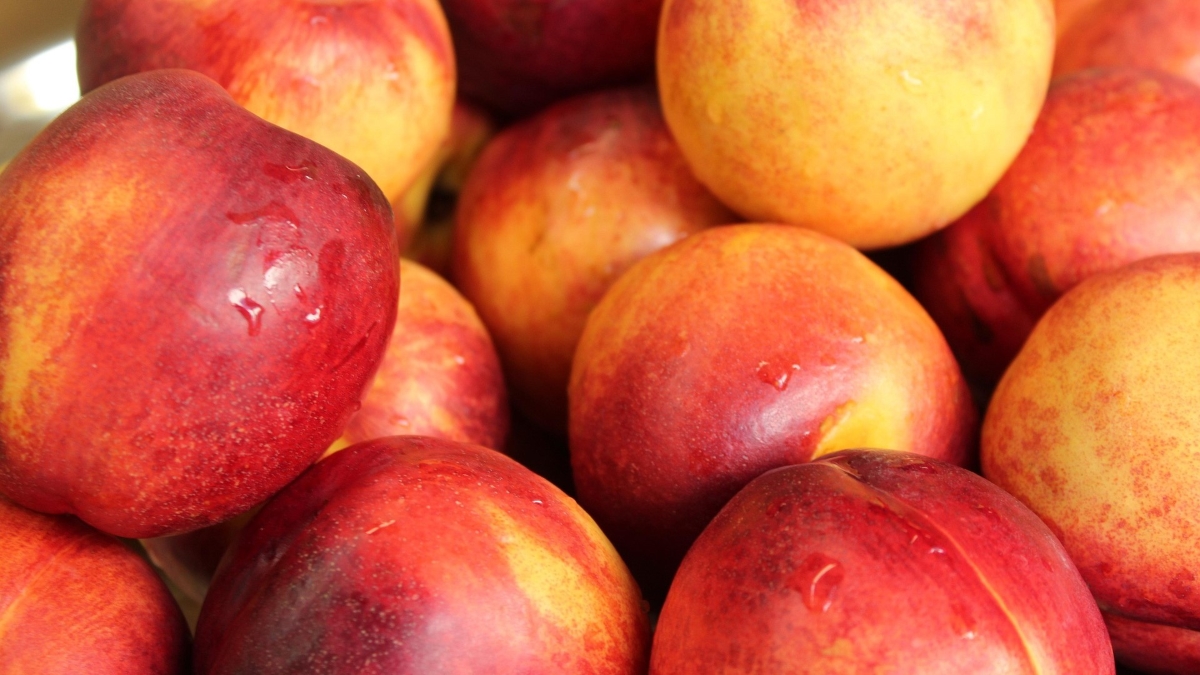
Nectarines are highly susceptible to quality loss during storage due to softening, nutrient degradation, chilling injury and aroma deterioration. A new study evaluated the effects of UV-B and UV-C irradiation on fruit quality, free volatile compounds and bound volatile compounds during 35 days of cold storage, demonstrating that both technologies improve postharvest preservation through different physiological mechanisms.
UV-B better preserves physical and nutritional quality
The study showed that UV-B treatment provided superior maintenance of fruit quality.
It delayed fruit softening, reduced ascorbic acid losses during mid-storage, promoted carotenoid accumulation while slowing their degradation, improved peel colour and increased the soluble solids-to-titratable acidity ratio, resulting in a better balance between sweetness and acidity.
Both treatments reduce physiological deterioration
Both UV-B and UV-C reduced respiration rate and decay incidence throughout storage.
They also decreased the accumulation of malondialdehyde (MDA) and hydrogen peroxide (H₂O₂) while mitigating the development of chilling injury, indicating lower oxidative stress.
Distinct effects on aroma development
The research revealed that each treatment promoted different aroma profiles.
UV-B enhanced citrus, green and floral notes during early and mid-storage by increasing free D-limonene, C6 aldehydes and alcohols, as well as bound aroma compounds such as linalool and eugenol.
In contrast, UV-C promoted characteristic late-storage aromas by increasing compounds associated with cucumber-like, floral and creamy peach notes, including (E,Z)-2,6-nonadienal, methyl benzoate and γ-lactones.
Genetic regulation supports aroma preservation
Both treatments upregulated the expression of the PpUGT85A2 gene involved in the synthesis of bound volatile compounds.
Later activation of β-glucosidase promoted the release of aroma precursors, contributing to sustained aroma development during storage.
Targeted postharvest preservation strategies
The authors conclude that both UV-B and UV-C offer effective postharvest preservation strategies for nectarines.
While UV-B is particularly suitable for maintaining nutritional quality and enhancing aroma during early storage, UV-C provides greater benefits for preserving characteristic aroma compounds during the final stages of storage, allowing preservation strategies to be tailored to commercial objectives.
Source
Zhang, Y., Zhang, Q., Zhou, D., Pan, L., & Tu, K. (2026). UV-B and UV-C treatments differentially affect quality, free volatile compounds, and bound volatile compounds in postharvest nectarines. Postharvest Biology and Technology. https://doi.org/10.1016/j.postharvbio.2026.113751
Related news