Cooling and CA
Advances in postharvest handling and quality preservation of chia seeds
A scientific review analyzes critical control points in drying, storage, and packaging to prevent lipid oxidation and ensure global value chain safety
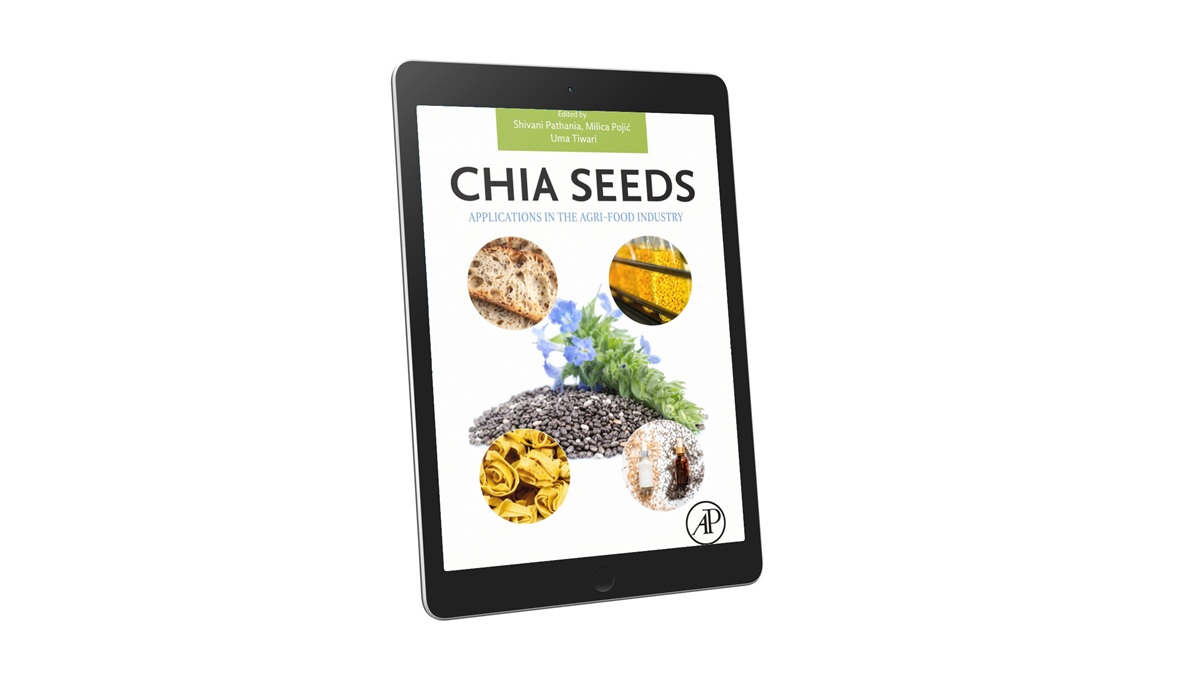
Chia (Salvia hispanica L.) has established itself as a globally vital functional crop due to its rich composition of α-linolenic acid, dietary fiber, high-quality protein, and natural antioxidants. However, preserving these health-promoting attributes relies heavily on effective postharvest management, as chia seeds are inherently prone to lipid oxidation, moisture-driven degradation, and microbial spoilage.
Moisture control, drying, and cleaning operations
Postharvest operations constitute a critical control point starting immediately after harvest. Efficient cleaning and rapid, controlled drying are essential to reduce seed moisture levels below safety thresholds. Inadequate drying fosters fungal proliferation and mycotoxin formation, accelerating enzymatic breakdown and reducing market value.
Storage, packaging, and lipid stability
High levels of polyunsaturated fatty acids render chia seeds sensitive to oxidation upon exposure to light, oxygen, and elevated storage temperatures. Utilizing advanced protective packaging barriers alongside climate-controlled storage conditions effectively inhibits rancidity, maintains antioxidant activity, and extends commercial shelf life.
The study also outlines strategies to mitigate contamination risks, adulteration, and food fraud, offering a comprehensive framework to establish safe, high-quality, and sustainable chia supply chains for international markets.
You can access the book here: "Chia Seeds: Applications in the Agri-food Industry"
Related news